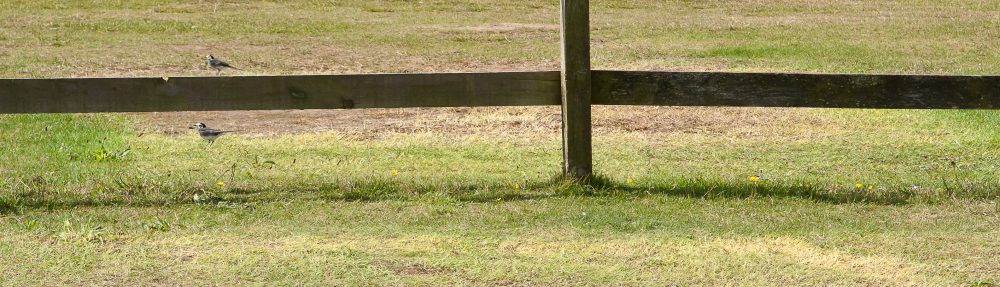
Around two years ago I became interested in how the marks on grass when it has been deprived of light are a kind of naturally occurring photography which, when an item is placed on it for a period of time and subsequently removed, create a silhouetted ‘image’ of that which has been placed there.
I began collecting images of this type of ‘photography’ when I came across it whilst out walking with my camera, whilst wondering what had previously been there to leave the image. Some large areas were indicative of a temporary structure of some sort, hinting at a gathering for an unknown occasion, whereas others were very small.
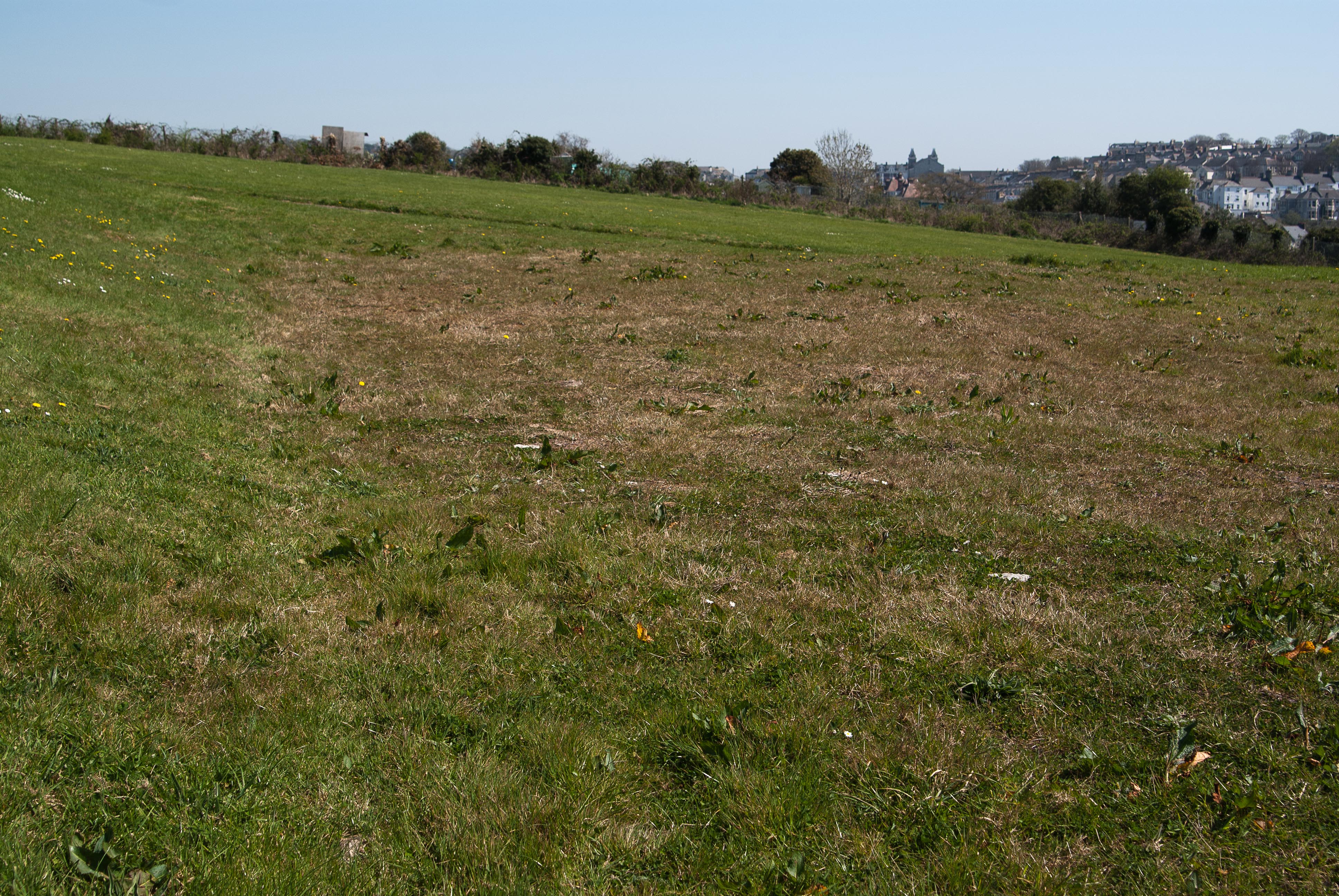
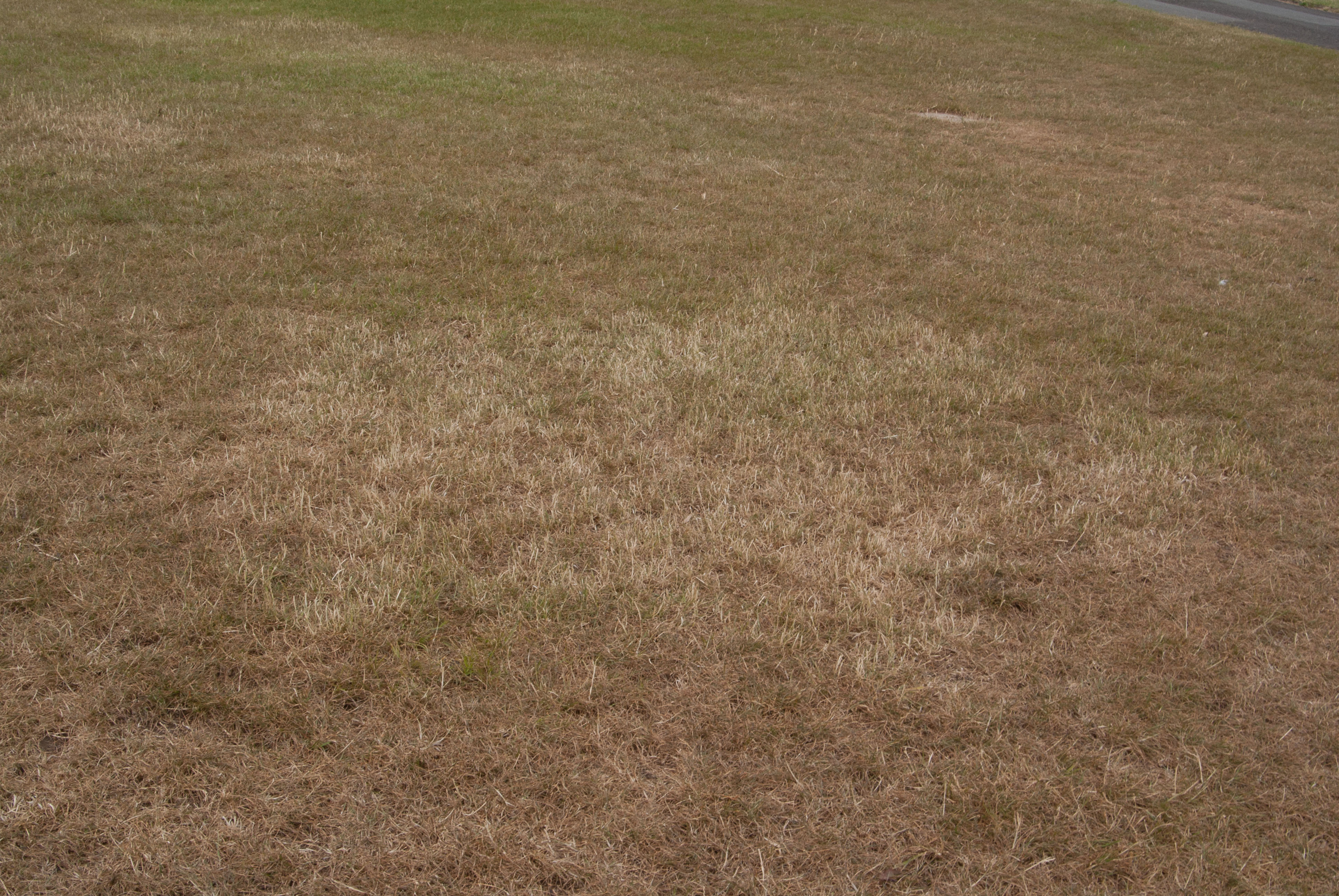
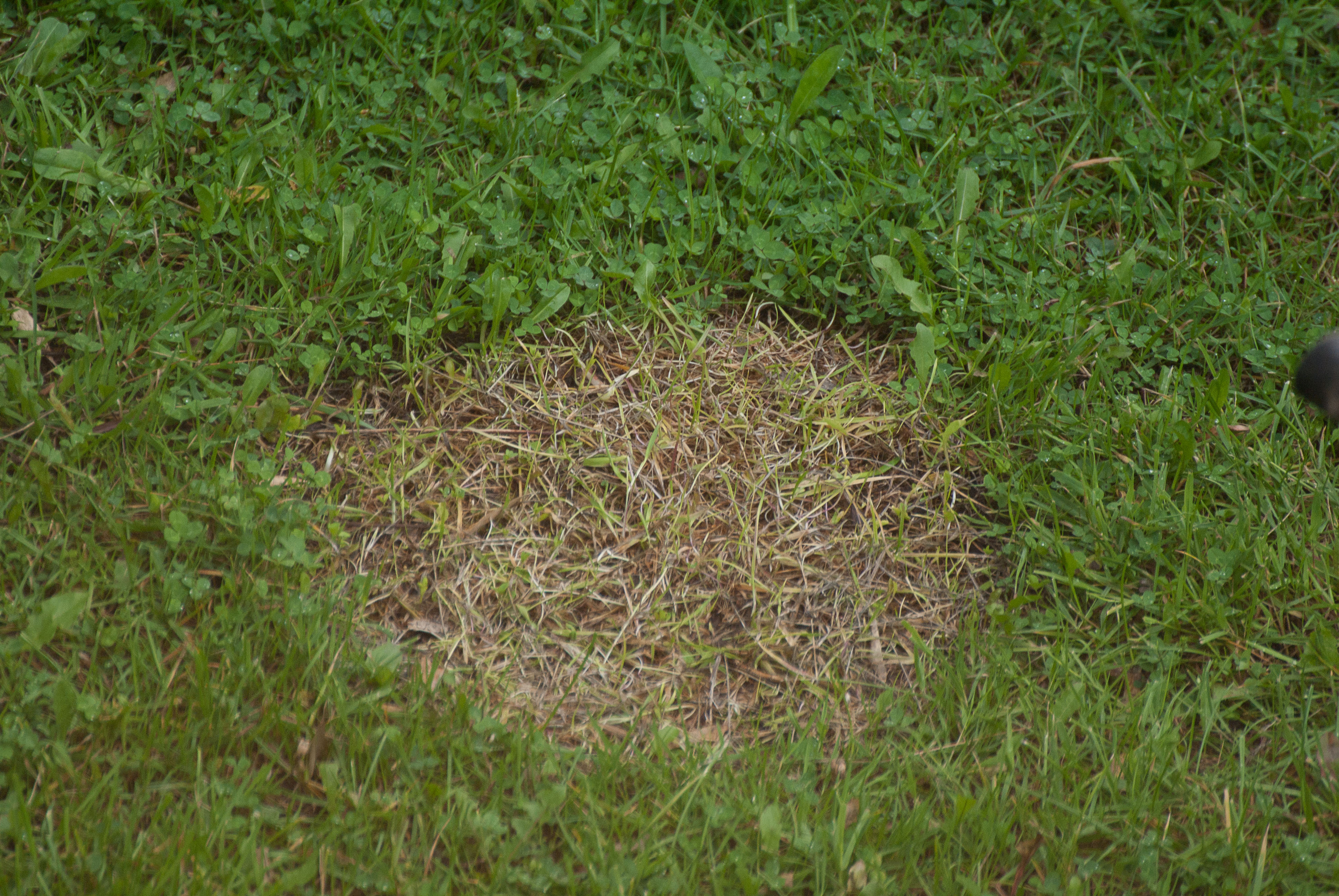
Inspired by artists challenging what constitutes photography such as Tom Lovelace, following on from my earlier work for this module using the sun to create cyanotypes and lumen prints, and also referencing my research on Land Art, I wanted to explore further these images that are made on the earth itself, which break through the limitations of photographic paper size boundaries.
I also bring to my work a personal interest in the family photo album, and particularly in the images we retake year after year in different forms, for example the holiday snap or the birthday party, and the idea that versions of these images are taken year after year, generation through generation. We are so familiar with these images that when we view someone else’s version, we can immediately imagine the scene beyond the boundaries of the shown image and subconsciously apply our own preconceptions and experience of the our imaginings. Thus it is so with the British caravan park; many people already have their own thoughts on what it is to holiday in this environment.
My project proposal is to combine the interests laid out above and explore how the images created by objects blocking natural light on grass create a new type of holiday photograph, that which hints at what has occurred at the particular site but leaves the viewer to imagine the scenes contained within that confined area of ground.
 Rhonda's Landscape blog