Assignment 3 (Revised Version)

Assignment Three: Spaces to Places

Lockdown 2020 on Vimeo

One November’s day few years ago, we took our then toddler daughter to her favourite local theme park.  In contrast to the usual summer throng of visitors with their picnics and ice creams, and long queues for rides whilst under attack from children and wasps fuelled by a combination of sugar and sun, the park in the week before its annual winter shutdown was virtually empty, with just a scattering of families wandering between rides.  No jostling, no hubbub, no frayed tempers, no children giddy with pent-up excitement; just an eerie silence punctuated by occasional subdued conversation.  In theory,  the thought of a theme park to oneself seems inviting, even preferable: more ride time; somewhere to sit down; no excess noise.  However, the visit was not a success.  The operator of my daughter’s favourite carousel had to stop the ride when she, the lone participant, became distressed at being repeatedly flung around in circles in silence.  With barely anyone else there, the theme park had become an empty space, lost of its context and association with fun.

This scenario perhaps helps to explain, in 2020, the sense of unease experienced in cities all over the world at the height of lockdown restrictions imposed by governments in response to the Coronavirus pandemic.  In considering this assignment, I frequently returned to the notion that a space becomes a place largely when stories are ascribed to it, via history and events; in other words a place is a product of human activity, from creating or building a physical environment to how we interact with the landscape.  In the theme park example above, when normal human activity ceases to occur, the sense of place is lost.

In his book Places of the Heart: The Phsychogeography of Everyday Life, cognitive neuro-scientist Colin Ellard describes a 2012 study he conducted in New York.  He took visitors to two sites and recorded their reactions, both physical and emotional: one site was a ‘long, blank façade’ of a supermarket; the other a lively area with restaurants, shops with open doors and windows and a ‘pleasantly meandering mob of pedestrians’.  The results were, perhaps with hindsight, predictable: those people stood in front of the blank supermarket recorded low states of arousal and happiness; those at the lively site themselves felt engaged and positive and recorded high levels of arousal.  Returning to the 2020 lockdown scenarios across the globe, this evidence raises concerns about what effect taking our daily exercise in an empty urban area is having on the collective mental health of city dwellers and is a subject that has been ignored in the media during the pandemic.  Media reports of near-empty city centres focus entirely on the economic impact and make no mention of the psychological impact on those who are still frequenting the city streets; shop and hospitality workers, for instance.

I also looked at the work of Mat Hennek in my research for this assignment.  Although not depicting lockdown but in fact representing the finding of pockets of quietness in otherwise bustling urban areas, his series Silent Cities shows beauty in stillness and gives a sense of holding one’s breath, waiting for the action to begin again.

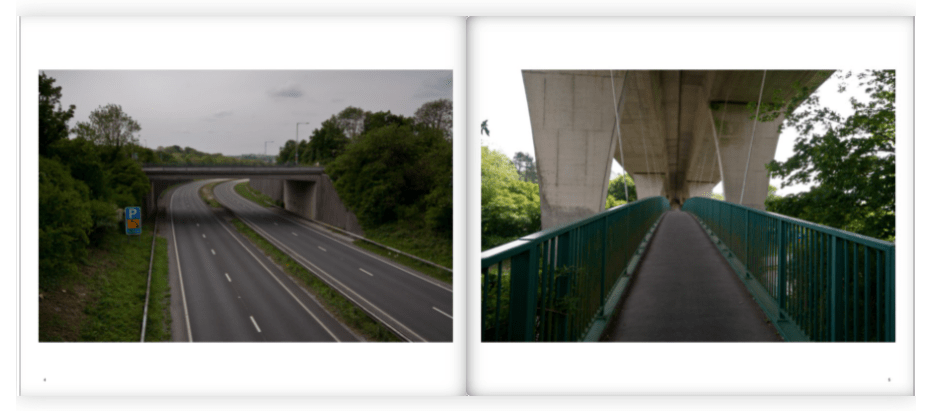
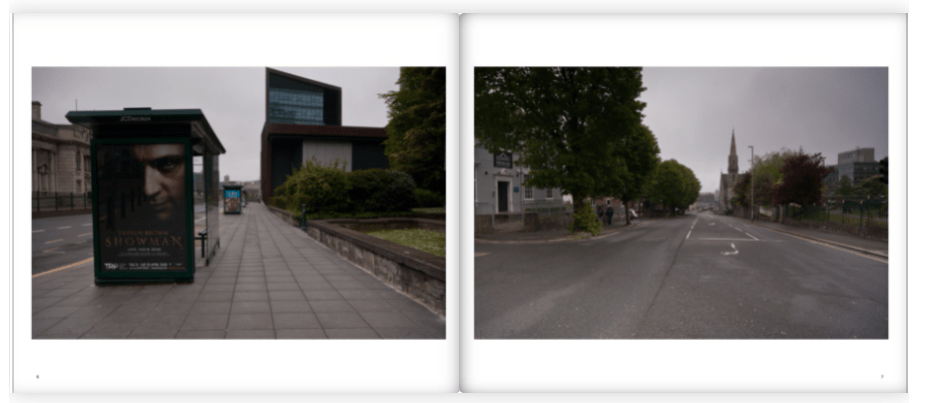
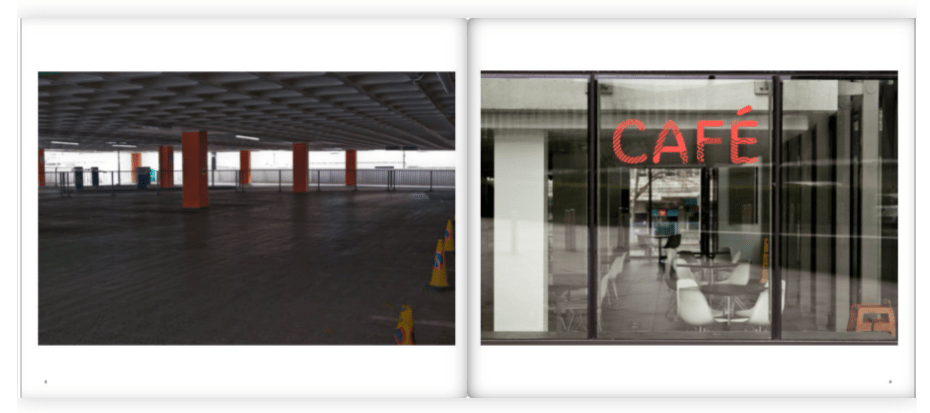
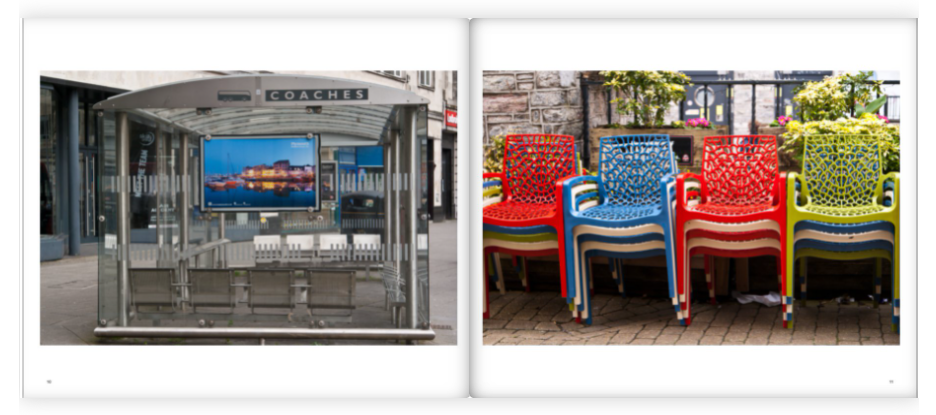
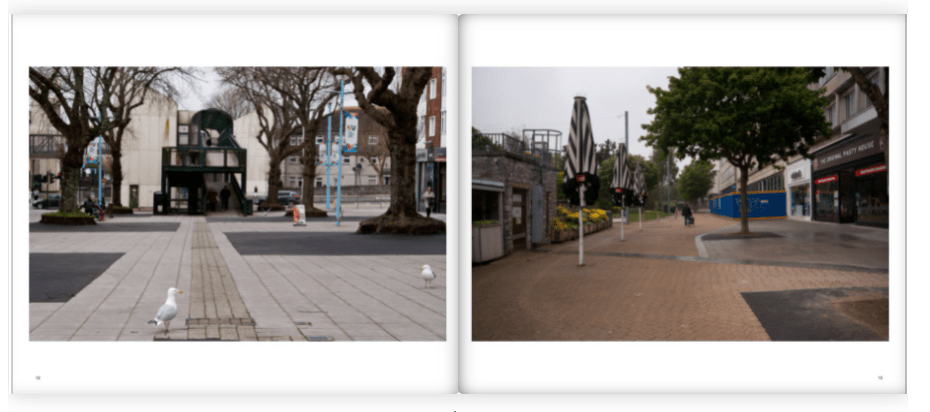
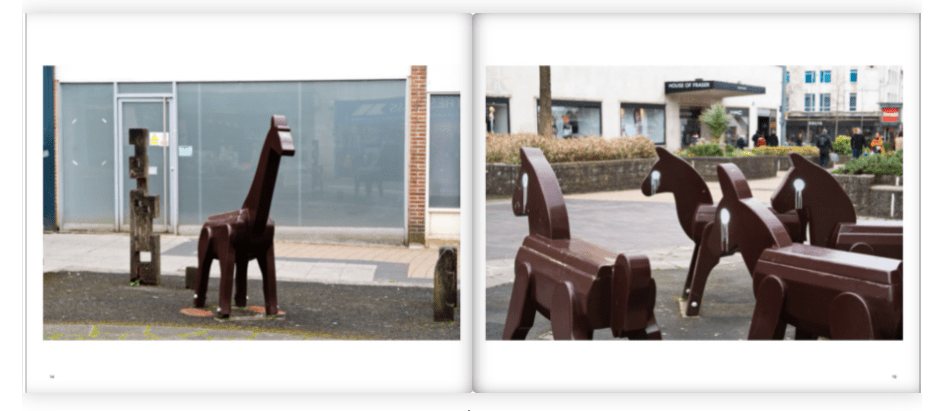
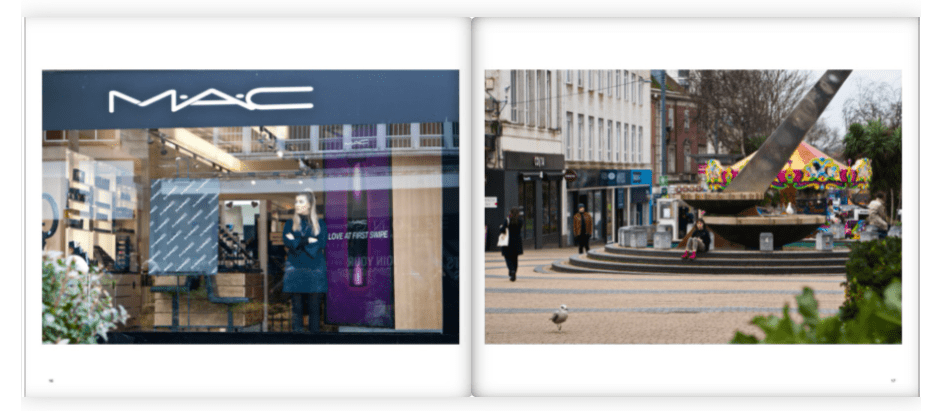
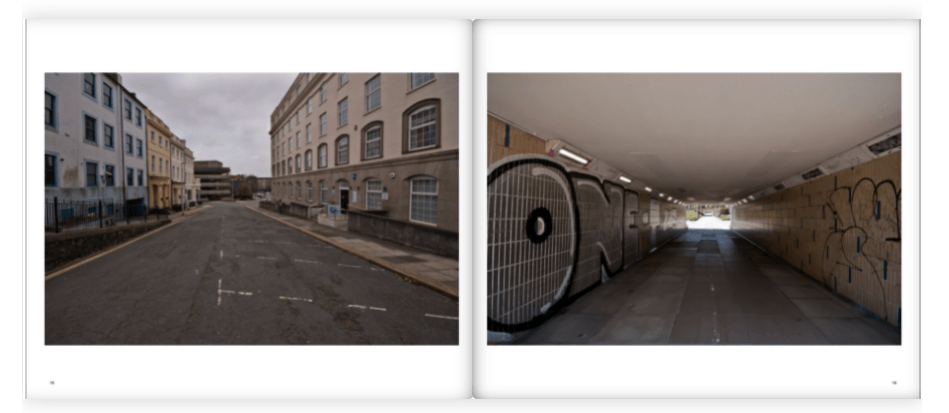
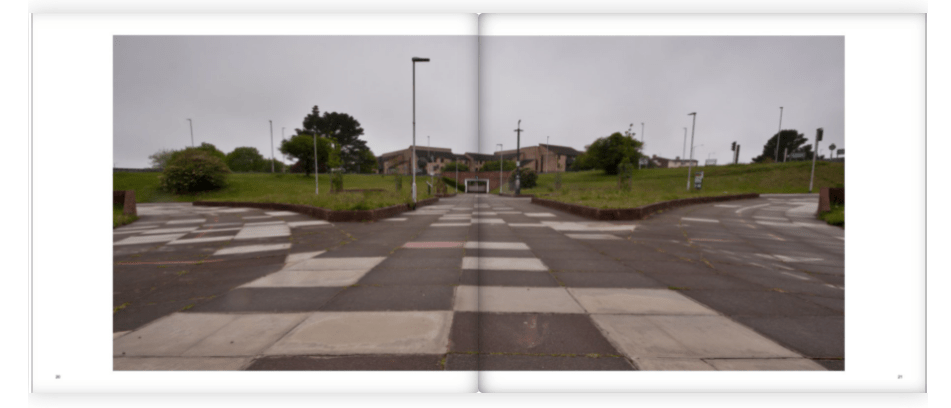
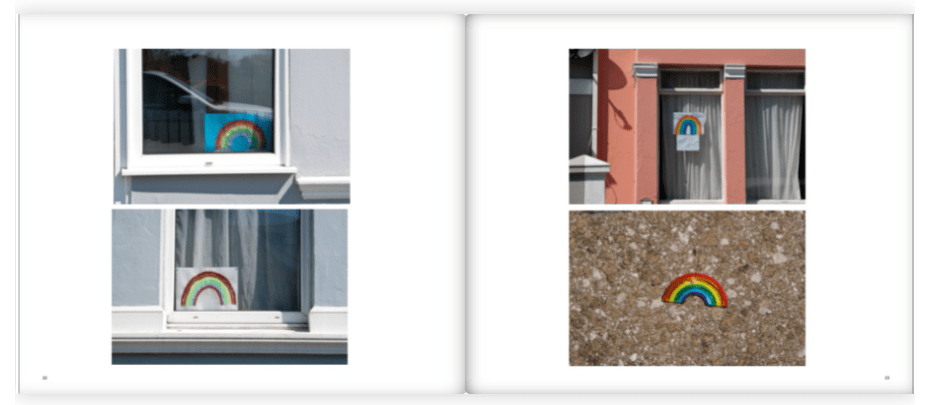
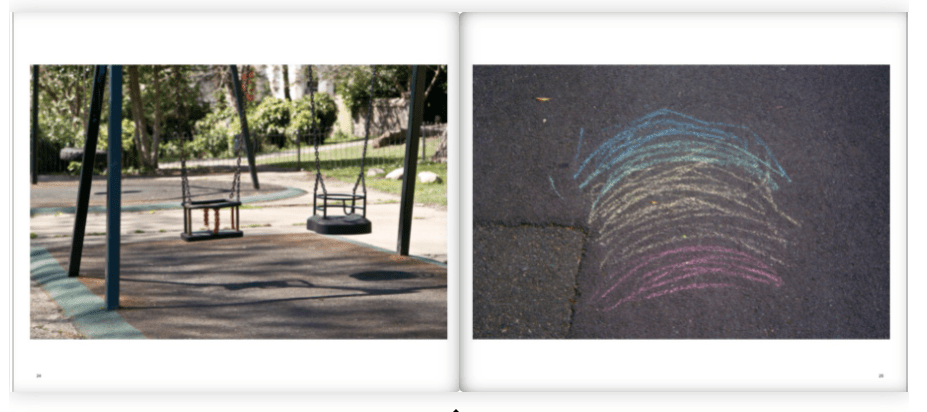
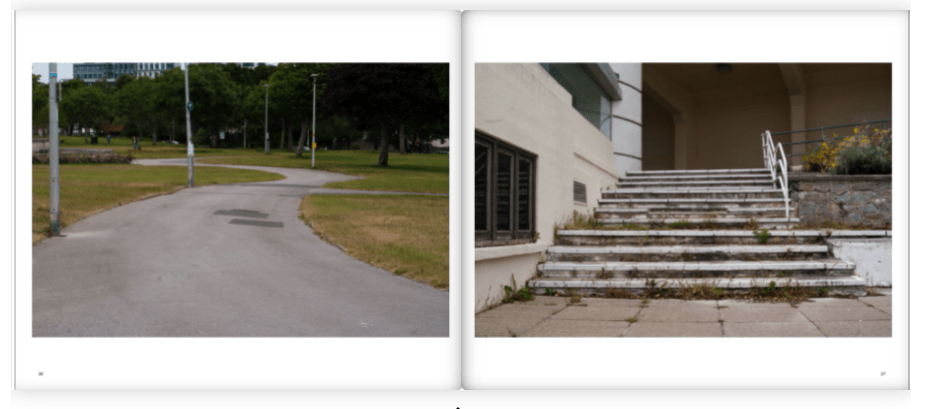
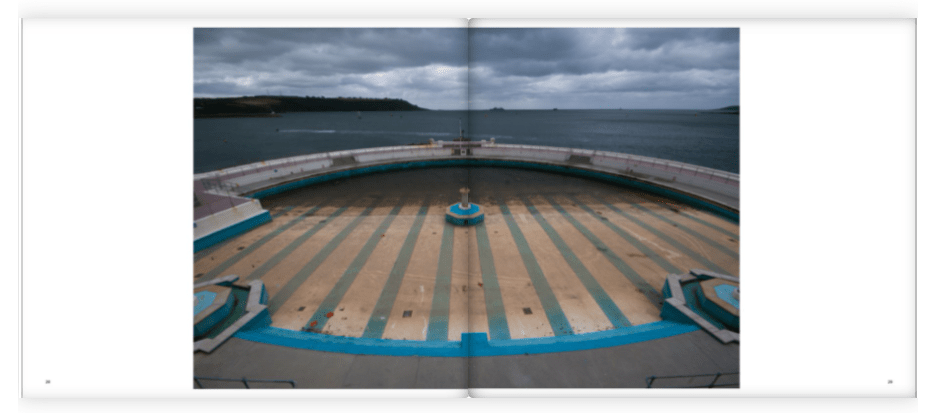
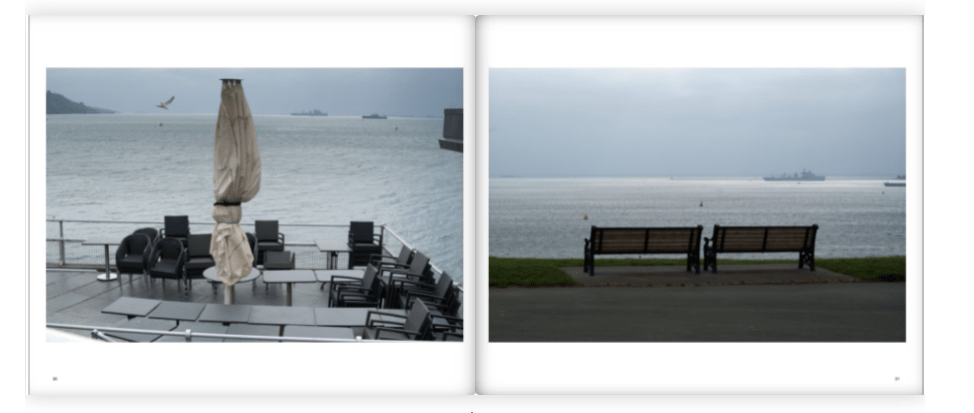
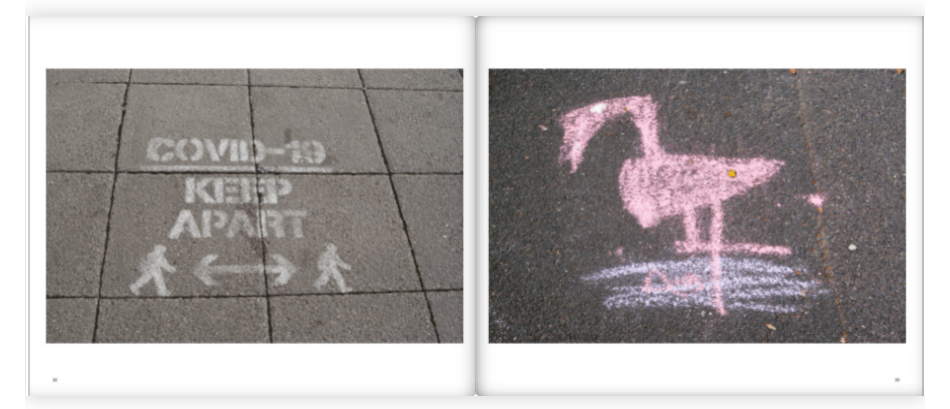
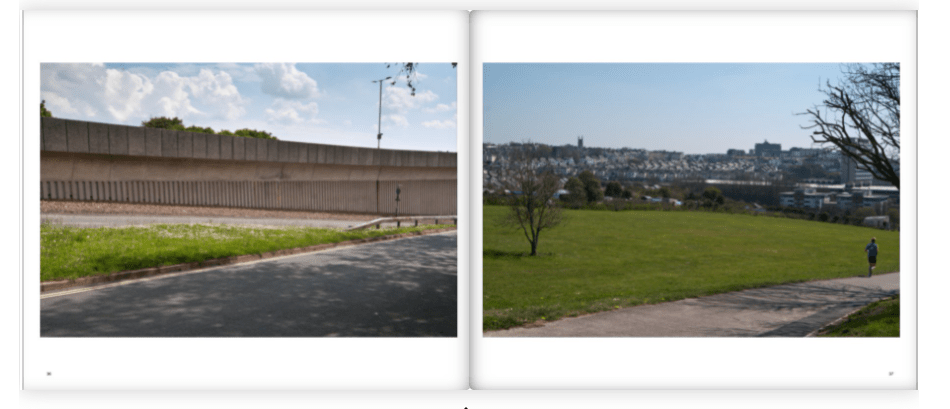
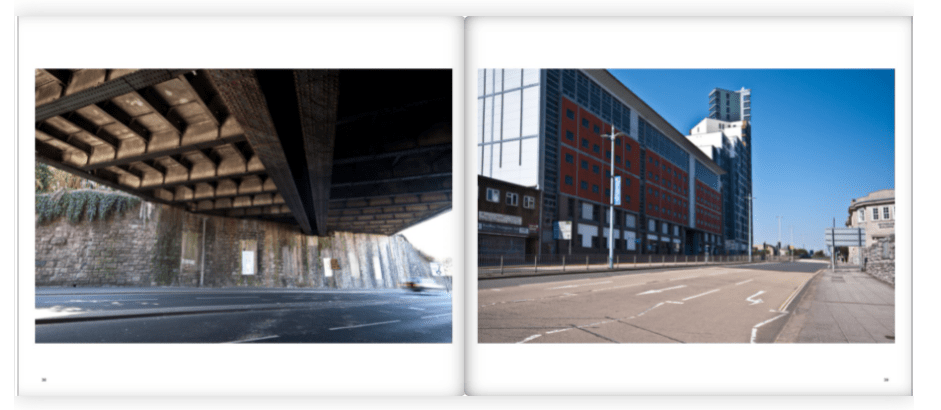
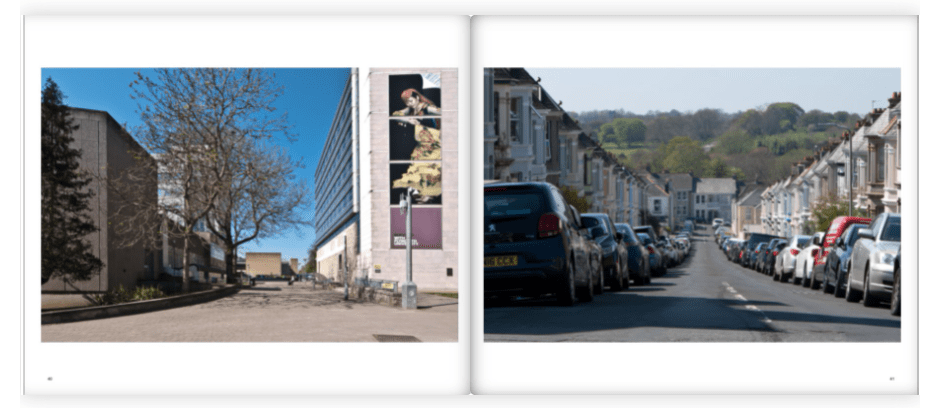
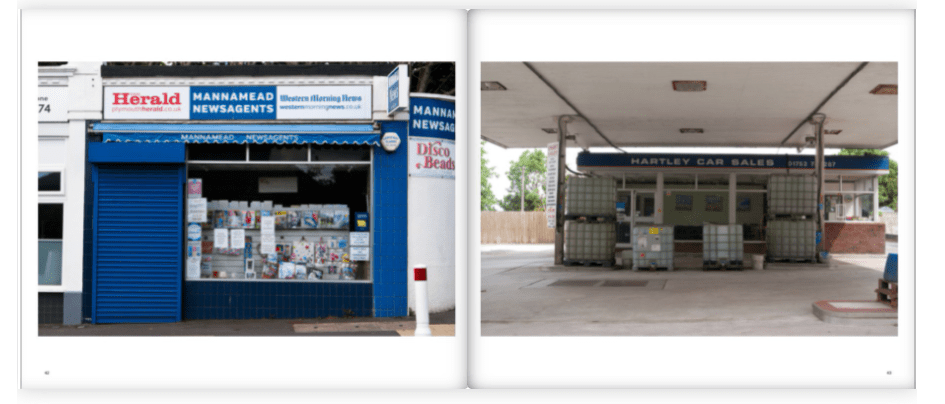
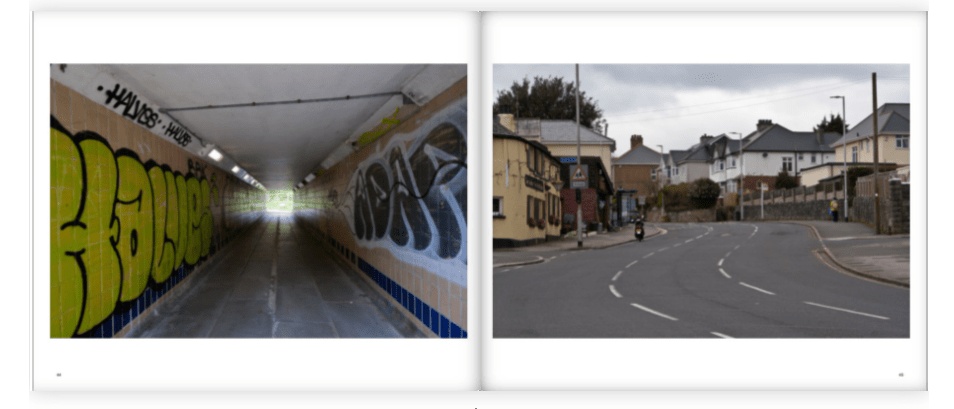
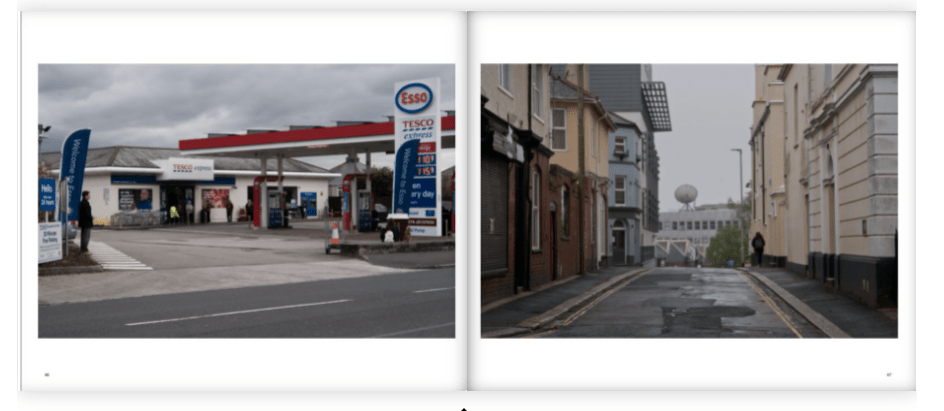
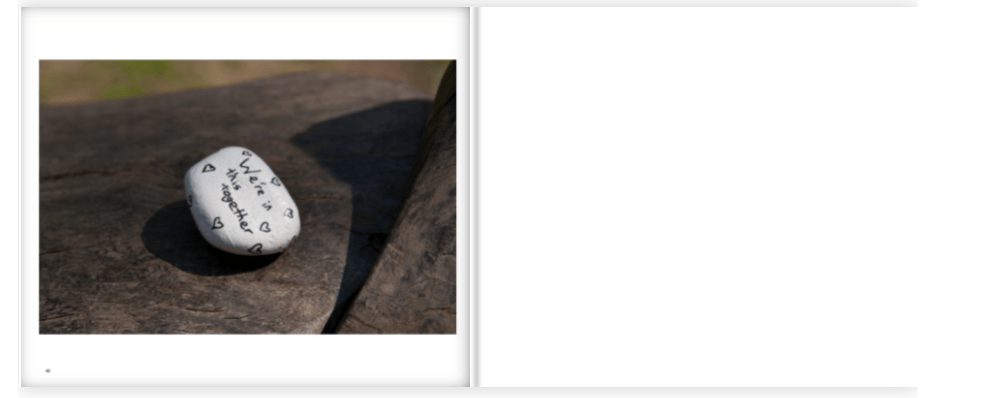
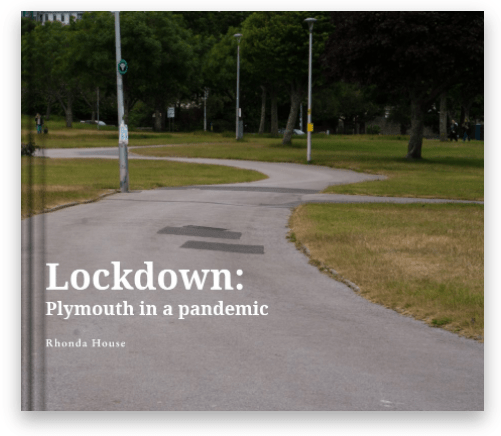
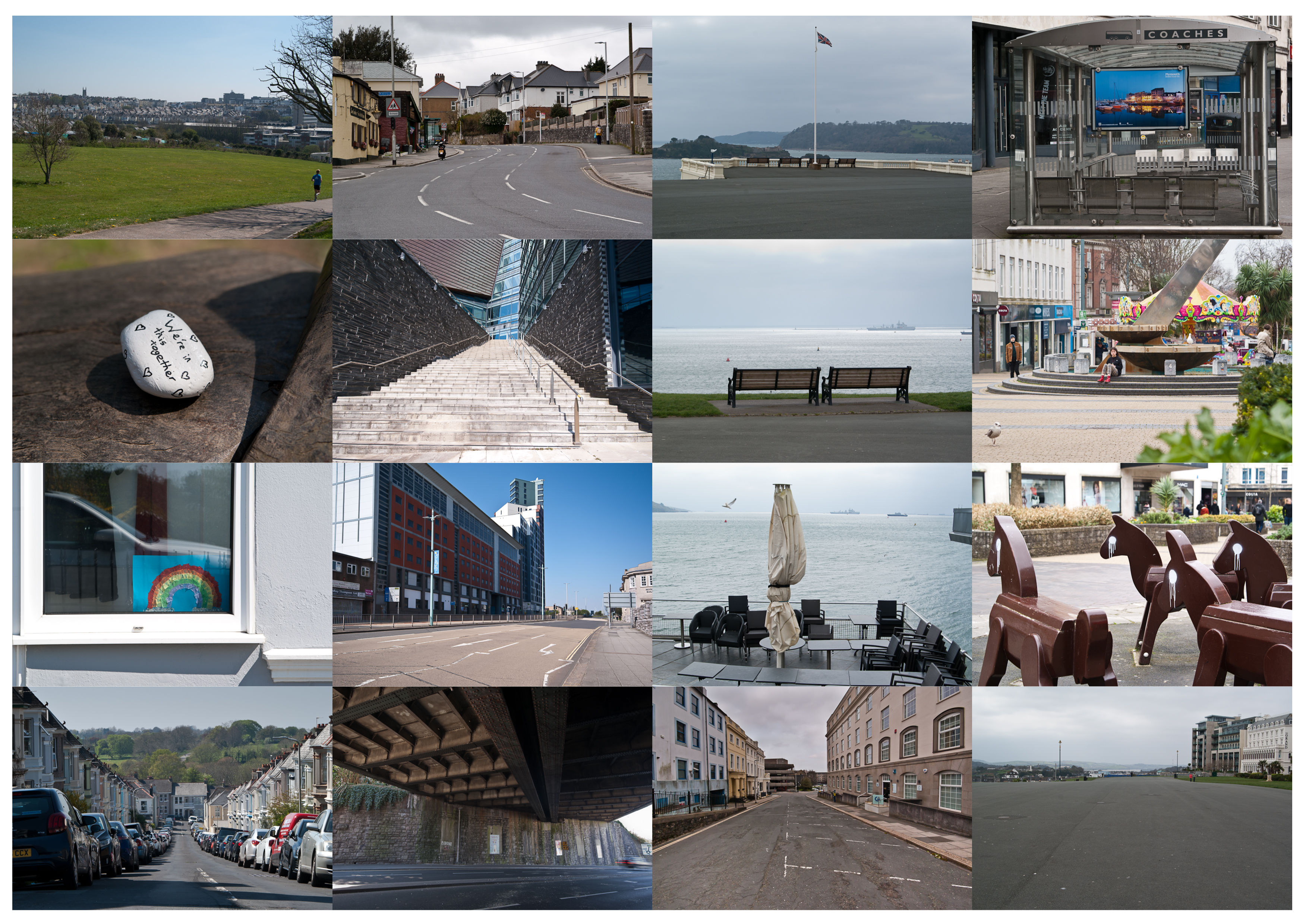
I decided to make my final shortlist of images into a slideshow as this is an unexplored area for me and I felt that adding accompanying music would enhance the atmosphere.  I also created a book of the full series of images in response to tutor feedback as he felt that there were also strong images on my contact sheets.
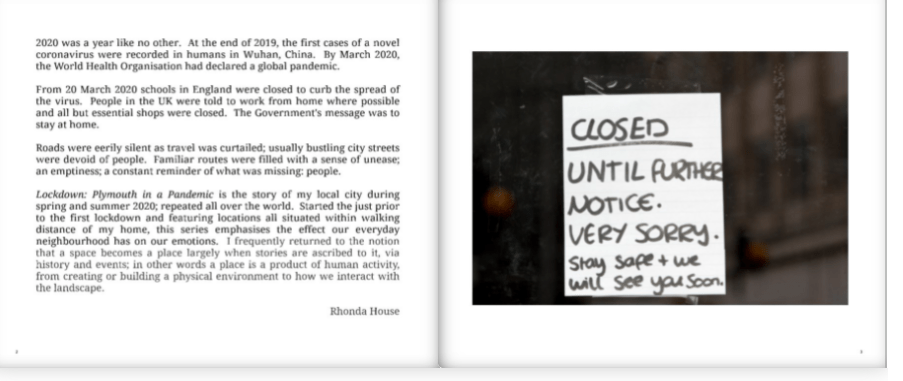
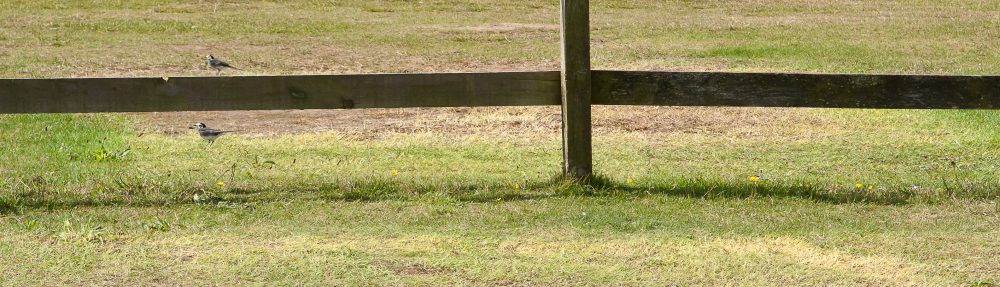
The finished piece is intended to convey a sense of the melancholy coupled with a touch of the uncanny – but also a small injection of humour created by the birds that have entered some of the images.

References:

Hennek, M. (2020) Silent Cities. Göttingen: Steidl

mathennek.com/works/silent-cities/ [Accessed 15 August 2020]

Ellard, C. (2015) Places of the Heart: The Phsychogeography of Everyday Life. New York: Bellevue Literary Press
Music: https://www.bensound.com/royalty-free-music

Assignment 3: Response to Tutor Feedback

Due to an unforeseen change of tutor part-way through the module, some months passed between completion of Assignment 3 and receiving feedback for it. However, I am pleased with the positive feedback I have received, and my tutor’s assurance that the video I produced worked well and the music I chose was appropriate to the content and did help to evoke an emotive atmosphere as I had intended. I had considered the slideshow content and the music very carefully and spent some time deliberating over its composition as it was the first I have created so I am happy that the tutor has recognised what I was trying to achieve.

The tutor also recognised that I spent some time researching this assignment, reading two books on phsychogeography, in my bid to understand and elucidate the feelings of unease experienced when walking around my home city, Plymouth, during national lockdown in the COVID|-19 pandemic during 2020. He also noted that my learning log is progressing well.

During our video chat, he also commented on the strength of the remaining images on my contact sheet, and indeed this formed part of the dilemma I had in choosing the ‘right’ images for the slideshow; there were at least two different contextual directions I could have taken in the presentation. He therefore suggested that I produce a book containing the full, wider project that I conducted and this is something I intend to do as part of the final submission for assessment.

Overall, I am very pleased with the feedback for this Assignment.

Assignment Three: Spaces to Places

One November’s day few years ago, we took our then toddler daughter to her favourite local theme park.  In contrast to the usual summer throng of visitors with their picnics and ice creams, and long queues for rides whilst under attack from children and wasps fuelled by a combination of sugar and sun, the park in the week before its annual winter shutdown was virtually empty, with just a scattering of families wandering between rides.  No jostling, no hubbub, no frayed tempers, no children giddy with pent-up excitement; just an eerie silence punctuated by occasional subdued conversation.  In theory,  the thought of a theme park to oneself seems inviting, even preferable: more ride time; somewhere to sit down; no excess noise.  However, the visit was not a success.  The operator of my daughter’s favourite carousel had to stop the ride when she, the lone participant, became distressed at being repeatedly flung around in circles in silence.  With barely anyone else there, the theme park had become an empty space, lost of its context and association with fun.

This scenario perhaps helps to explain, in 2020, the sense of unease experienced in cities all over the world at the height of lockdown restrictions imposed by governments in response to the Coronavirus pandemic.  In considering this assignment, I frequently returned to the notion that a space becomes a place largely when stories are ascribed to it, via history and events; in other words a place is a product of human activity, from creating or building a physical environment to how we interact with the landscape.  In the theme park example above, when normal human activity ceases to occur, the sense of place is lost.

In his book Places of the Heart: The Phsychogeography of Everyday Life, cognitive neuro-scientist Colin Ellard describes a 2012 study he conducted in New York.  He took visitors to two sites and recorded their reactions, both physical and emotional: one site was a ‘long, blank façade’ of a supermarket; the other a lively area with restaurants, shops with open doors and windows and a ‘pleasantly meandering mob of pedestrians’.  The results were, perhaps with hindsight, predictable: those people stood in front of the blank supermarket recorded low states of arousal and happiness; those at the lively site themselves felt engaged and positive and recorded high levels of arousal.  Returning to the 2020 lockdown scenarios across the globe, this evidence raises concerns about what effect taking our daily exercise in an empty urban area is having on the collective mental health of city dwellers and is a subject that has been ignored in the media during the pandemic.  Media reports of near-empty city centres focus entirely on the economic impact and make no mention of the psychological impact on those who are still frequenting the city streets; shop and hospitality workers, for instance.

I also looked at the work of Mat Hennek in my research for this assignment.  Although not depicting lockdown but in fact representing the finding of pockets of quietness in otherwise bustling urban areas, his series Silent Cities shows beauty in stillness and gives a sense of holding one’s breath, waiting for the action to begin again.

I decided to make my images into a slideshow as this is an unexplored area for me and I felt that adding accompanying music would enhance the atmosphere.  The finished piece is intended to convey a sense of the melancholy coupled with a touch of the uncanny – but also a small injection of humour created by the birds that have entered some of the images.

References:

Hennek, M. (2020) Silent Cities. Göttingen: Steidl

mathennek.com/works/silent-cities/ [Accessed 15 August 2020]

Ellard, C. (2015) Places of the Heart: The Phsychogeography of Everyday Life. New York: Bellevue Literary Press
Music: https://www.bensound.com/royalty-free-music

Two Books on Psychogeography

As part of my research for Assignment Three I read two books on Psychogeography.

In his book Psychogeography, Merlin Coverley gives its definition as the “study of the specific effects of the geographical environment, consciously organised or not, on the emotions and behaviour of individuals”. The book takes us through a history of psychogeography, noting its predominantly white male perspective, following mostly literary traditions of Paris and London from Daniel Defoe to Peter Ackroyd and into the modern era and the rural wanderings of Will Self.

There are some interesting ideas in this book, for instance the thought that landscape is permeated with traces of previous inhabitants and events and that there is a sense of place beneath the surface of everyday activity.  Coverley refers to Peter Ackroyd’s observations of how certain areas of London ‘resonate with ideas, activities and the occupants of earlier inhabitants’ and how histories of certain areas are endlessly replayed in a distortion of time, which Ackroyd termed ‘chronological resonance’.  This is something I have explored in previous photographic work within the realms of the family construct and following this thread to a landscape setting would be an interesting avenue for my work. 

The book is also an inspiring starting point for finding new ways of looking at our surroundings, from the dérive, through ley lines and methods for random wanderings. The  COVID-19 lockdown under encouragement by the government to take local daily walks was a serendipitous time to discover this volume and as a result I discovered much about my local area that I had not previously known in twenty years living at my current address.

Colin Ellard’s Places of the Heart: The Psychogeography of Everyday Life Investigates the effect that physical spaces have on human behaviour and emotional state, delving into history, scientific experiment and the future of virtual reality.

It is well known that supermarkets and department stores lay out their wares in carefully researched locations designed to incite shoppers to part with as much money as possible but I had not considered how the architecture of a bank or even a theme park could be designed to evoke a specific human response. It makes sense that if views of nature can reduce stress and aid recovery from illness in humans, then man-made environments can also impact our wellbeing.

From the construction of the first walls and introduction of private bedrooms to homes, human behaviour has long been shaped by the structures around us.  Both revolutionised concepts of inner and outer space and private and public behaviour.  However, despite our living and working spaces being ever adapted to promote productivity and maximum efficiency, human environmental and spatial preferences are subconsciously underpinned by biological and evolutionary behaviour.  For example in an open space such as a public square, people will gravitate towards the edges first following the primitive geometry of ‘prospect and refuge’ or seeing without being seen.

The concept of place as an influence on human activity and emotion is an interesting one for the photographer as it raises questions of how to capture this in one’s work and, I think, places the onus on the photographer to not simply depict a landscape in a factual manner, devoid of any sign of human interaction but should consider carefully not only how the landscape is shaped by humans but the effect that landscape has on humans.  

References:

Coverley, M. (2018 ed.) Psychogeography. Harpenden: Oldcastle Books

Ellard, C. (2015) Places of the Heart: The Psychogeography of Everyday Life. New York: Bellevue Literary Press

Assignment Three Preparation

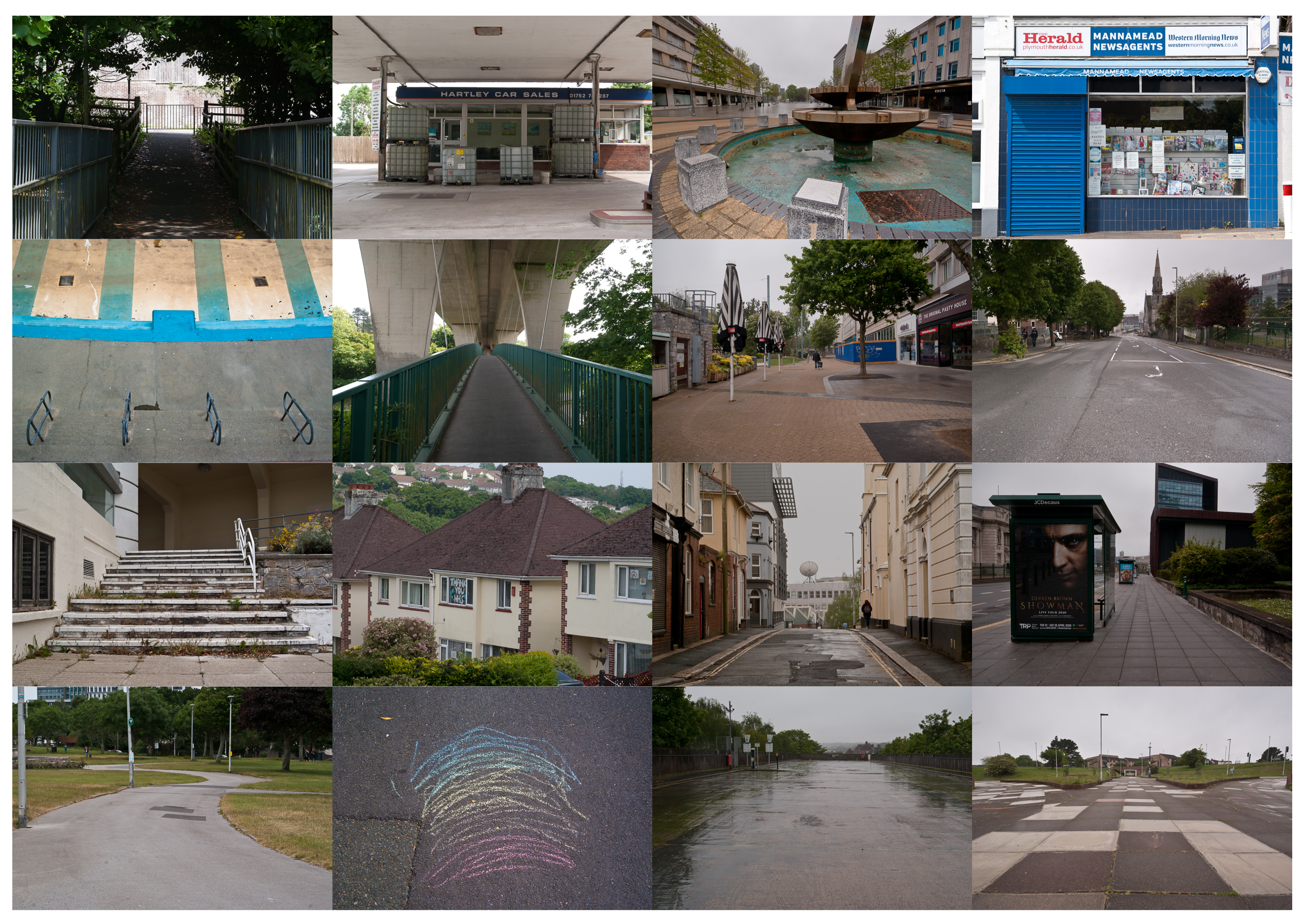
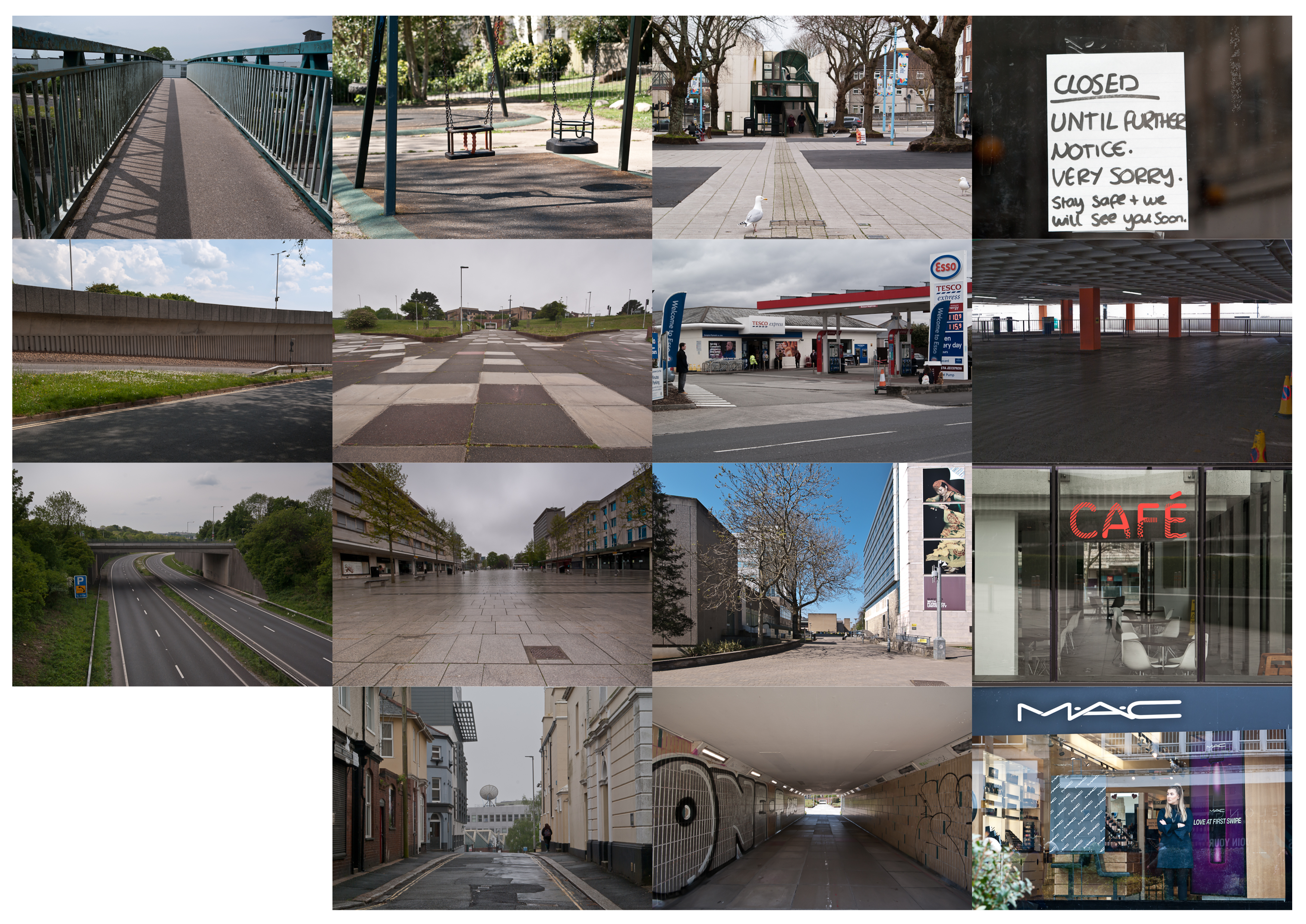
My working method for assignment three was straightforward compared with the previous two assignments; these are simple observations made on my frequent walks during lockdown. I was acutely aware of the effect walking around an empty city has on the psyche and the number of examples available to record were numerous. The main challenge I found, then, during this assignment was choosing which images to use. I assembled what I thought was the final collection several times and the next day changed my mind. even now in front of me is an image that didn’t make it into the final assignment and I am wondering whether I should have included it. However, a final decision has to be reached and so I am continuing with the most recent selection I made. I am, however, planning on making an alternative version to post on social media. Below are my contact sheets showing all the images that were part of my final decision making process.

Research: Mat Hennek

Mat Hennek is a German photographer who had a successful career in commercial portrait and product photography before moving into the art genre.

His recently released book Silent Cities coincidentally came out during the 2020 Coronavirus pandemic lockdown across Europe but in fact the images were all made over the last seven years during normal human social and economic activity.  Hennek visited several cities worldwide for this series, including Tokyo, Dallas, Shanghai and Paris, making unplanned walks through the cities whilst consciously avoiding the usual tourist areas.

The urban landscapes are almost devoid of people, save for the occasional exception: a lone cyclist; a group of half concealed travellers.  Perspective is most often flattened, frequently cutting out the sky and sometimes the foreground too, creating a barrier to the viewer, preventing them from feeling a part of this landscape.  In some images the pattern of the architecture removes all sense of perspective, leaving the viewer disorientated and confused.

Prior to this series, Hennek produced a series entitled Woodlands, which are images of groups of trees completely filling the frame, silent, almost monochromatic, flattened in perspective.  I think Hennek has approached the urban environment in the same way; his colours are subdued, often feature greenery, and there is a sensitivity to texture and material and their juxtapositions.  Forms in both series are often pared down to simple compositional elements.

The result of Hennek’s approach is the impression that the cities are waiting for people to appear and carry out their usual business, as if they are on hold.  There is a sense of the uncanny, of time having stopped.  The overall sense is of beauty in the simplicity of being able to view these structures unobstructed but also of silence and stillness, like holding one’s breath.

References:

Hennek, M. (2020) Silent Cities. Göttingen: Steidl

mathennek.com/works/silent-cities/ [Accessed 15 August 2020]