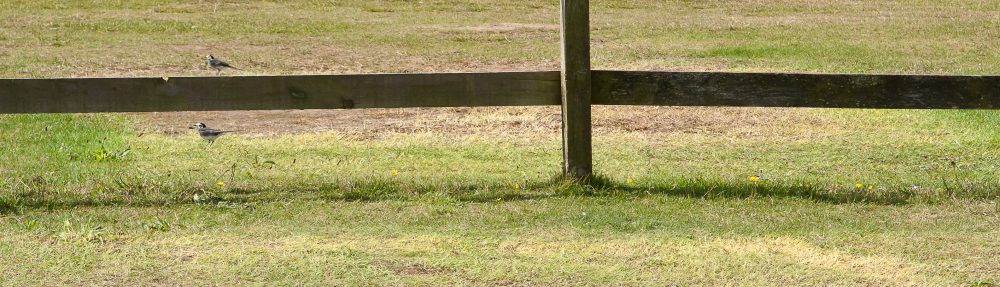

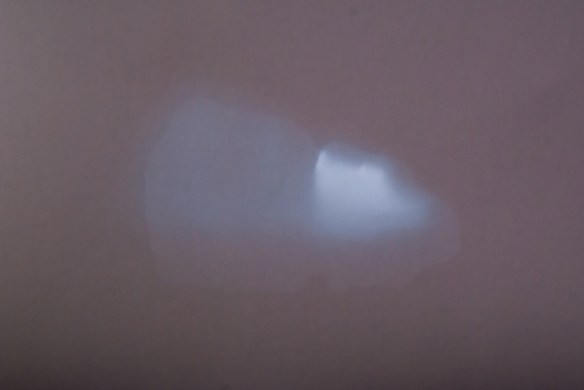
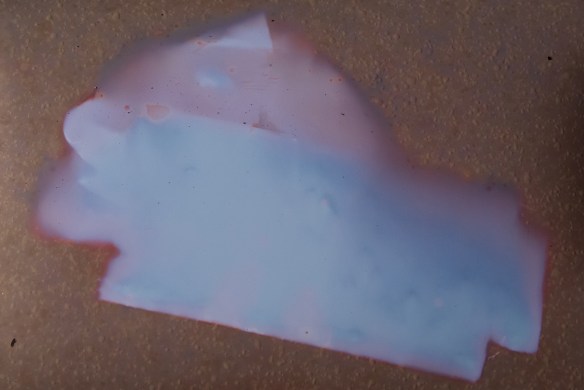

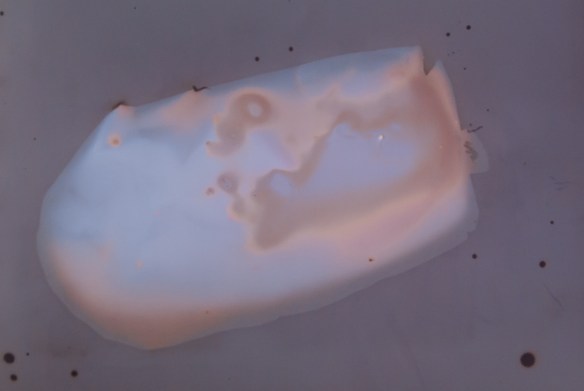
For this assignment I made several walks in the industrial estate around where I work. These are familiar routes for me as I walk for exercise every lunchtime. The area is a contrast of expensive glass-fronted buildings with armies of gardeners working with military precision and older, shabbier, buildings, ‘bastard children of the tractor shed’ as coined by Farley and Symmons in their book Edgelands. I usually see the same people on a daily basis; mostly lone men in smart business attire and groups of men in high visibility work jackets, plus the occasional dog walker on an extended trek from the local housing estate.
It was whilst reading Edgelands and carrying out the exercise to explore a road that I started thinking of the typicalities of certain man-made landscapes; I have never visited any of the places in the book but I know what they look like because every town has them. I started thinking about human behaviour within and effects upon the landscape and as I walked, I considered the litter that seems to be left almost everywhere and began to wonder whether we can tell something about the landscape by the litter we find there. For example, would objects discarded in the street on an industrial estate be the same as those dropped in a town centre or housing estate?
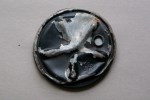
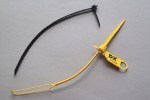
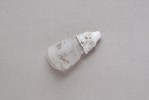
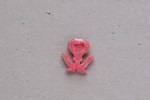
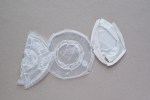
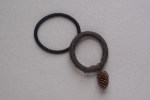
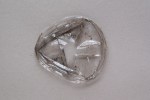
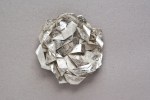
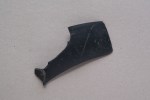
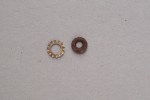
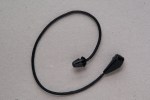
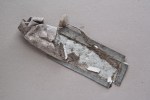
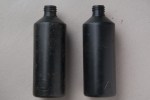
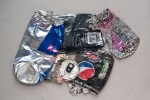
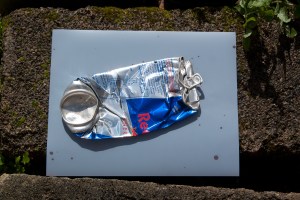
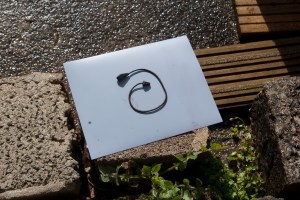
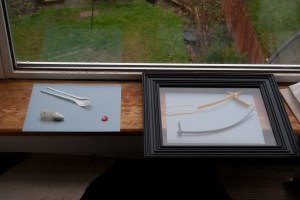
In keeping with my idea of categorising litter by the area where it was collected, as I brought pieces home I photographed them in a catalogue style: all from the same overhead viewpoint; positioned on a plain grey background; and all collated with objects of the same type. This typological approach was inspired by the 1980 series Water Towers by Bernd and Hilla Becher which was part of the Topographics exhibition. The resulting images make an interesting set as they are and I considered submitting them in that form but wanted to develop the series further to see where it could progress.
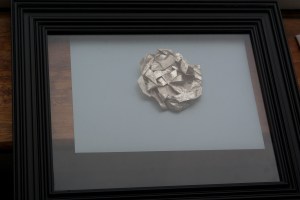
Artists like Naomi White have considered the effects of humans on our environment by making litter into art and her series Time Capsules from the Anthropocene uses discarded plastic objects such as carrier bags to warn of the dangers of of our throwaway lifestyle. I like White’s practice of removing the litter from its resting place and using it as part of an image created in a separate setting. However, I wanted my litter to tell the story of its landscape much as Richard Wentworth’s discarded and repurposed objects tell a story about human behaviour.
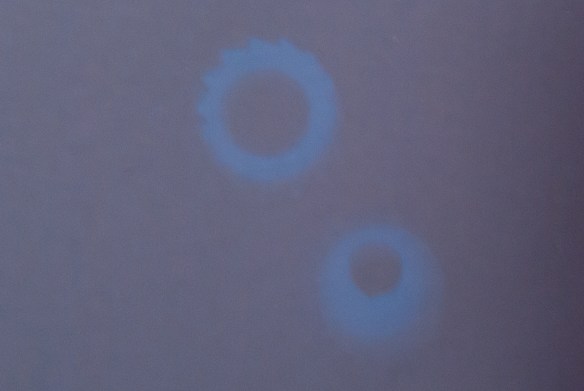
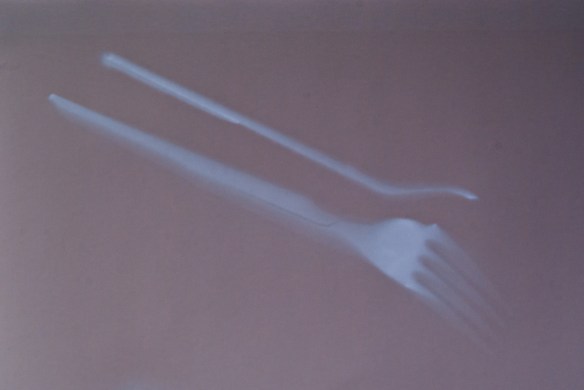
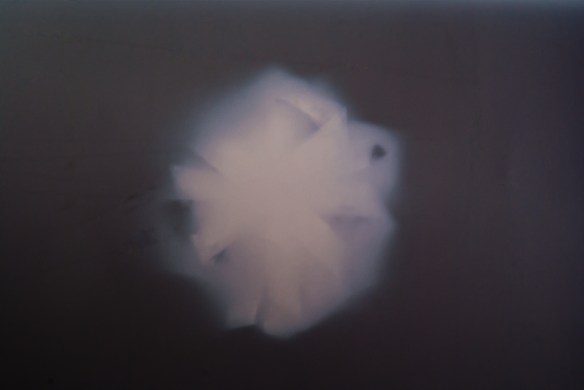
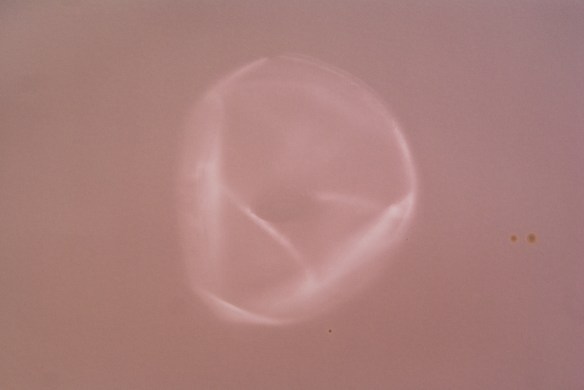
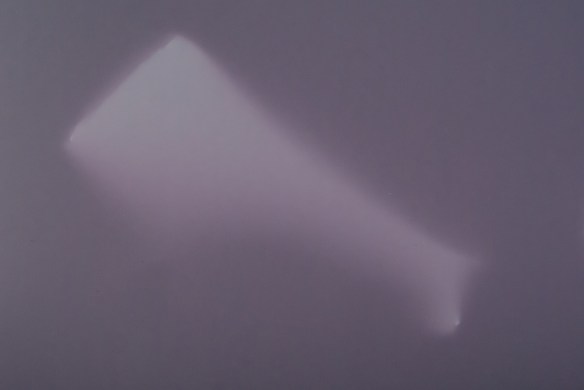
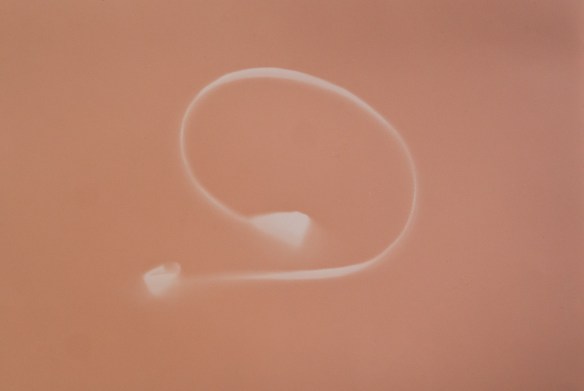
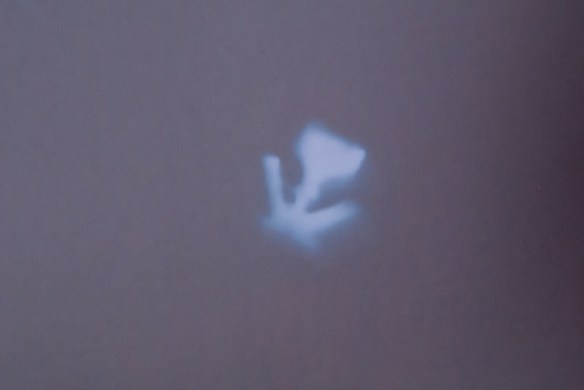
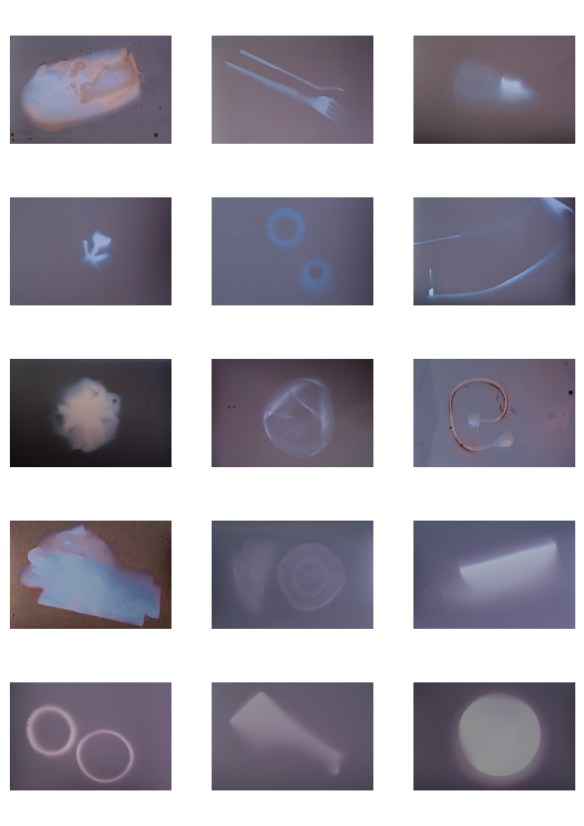
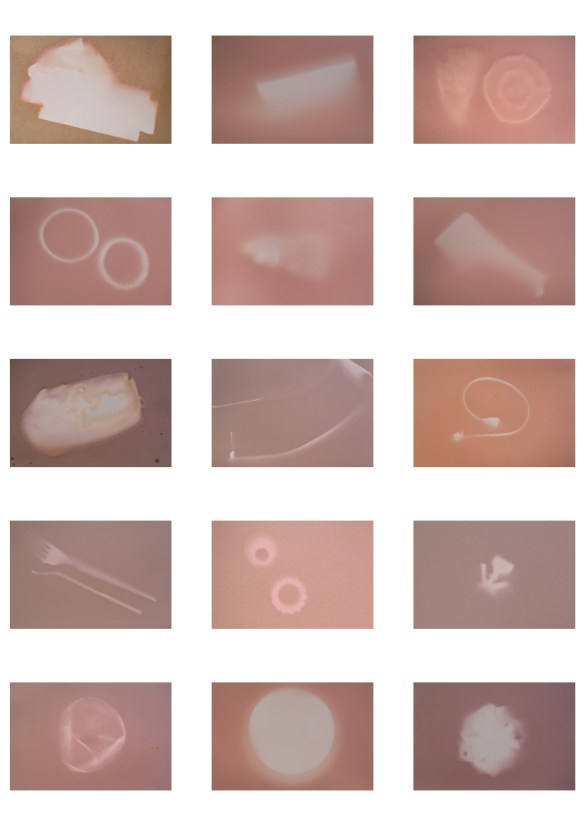
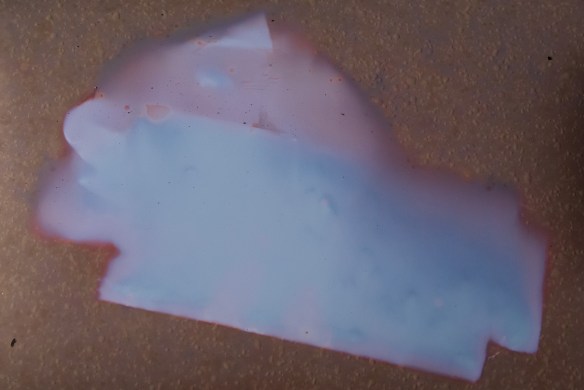
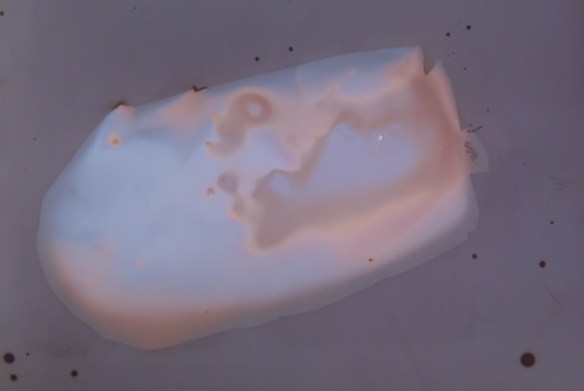
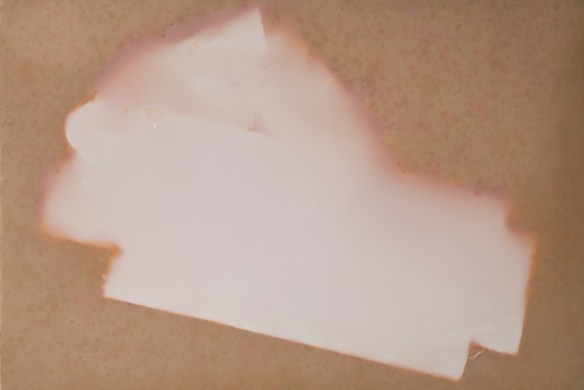
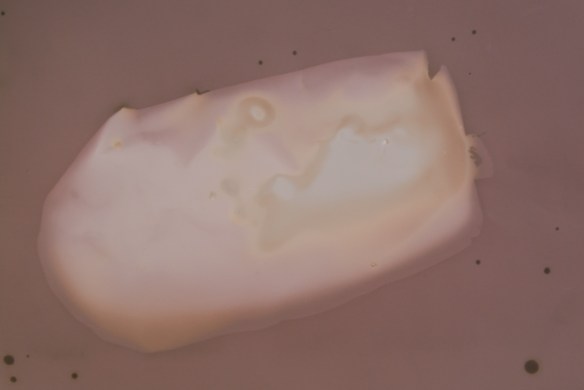
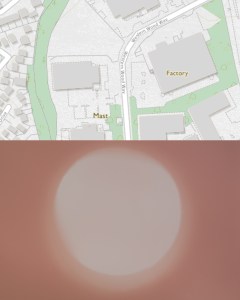
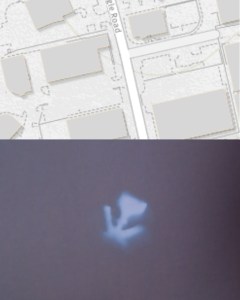
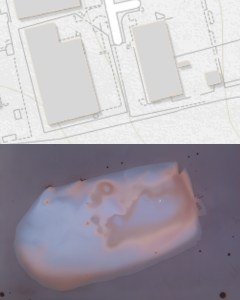
I noticed a marked difference in the physical deterioration of the objects that had clearly been discarded some time ago. They had been ravaged by the light and weather compared with newer items which looked as though they had been dropped only days or even hours before. This effect of the outdoor environment on the physical condition of the objects led to my idea of making lumen prints with them. The act of directly using sunlight to create the images reflects the physical changes manifested on the objects themselves by their exposure to the environment and is also a natural progression on from the cyanotype process I used for Assignment One.
I am pleased with the result of this project as I set out to ask a question about location, that is what the litter found in that location can tell us about the landscape. The items found were clearly directly related to the industrial estate and displayed on their own create a thread to the landscape that the viewer can follow. My intention would be for this to be the first part of a series looking at different environments and the different types of discarded objects that can be found there.
References:
Farley, P. and Symmons Roberts, M. (2011) Edgelands Journeys into England’s True Wilderness. Rochester: Vintage Digital
www.tate.org.uk/art/artworks/bernd-becher-and-hilla-becher-water-towers-p81238 [Accessed 20 April 2020]
www.naomiwhite.com [Accessed 23 April 2020]
www.lissongallery.com/artists/richard-wentworth [Accessed 23 April 2020]
Bright, S. (2005) Art Photography Now. London: Thames and Hudson

 Rhonda's Landscape blog