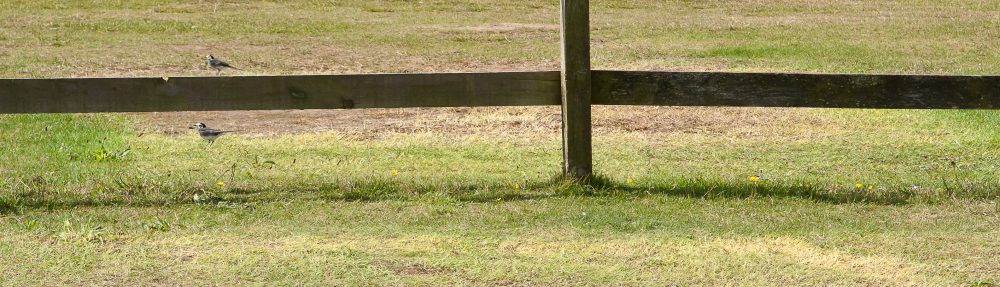
This project is a culmination and convergence of themes that have been running though my work for some time now:
Through previous modules I have been interested in the repetitive nature of human behaviour; in particular the activities that we engage in year after year, generation after generation and document in family photograph albums. For this project, it was the family caravan holiday.
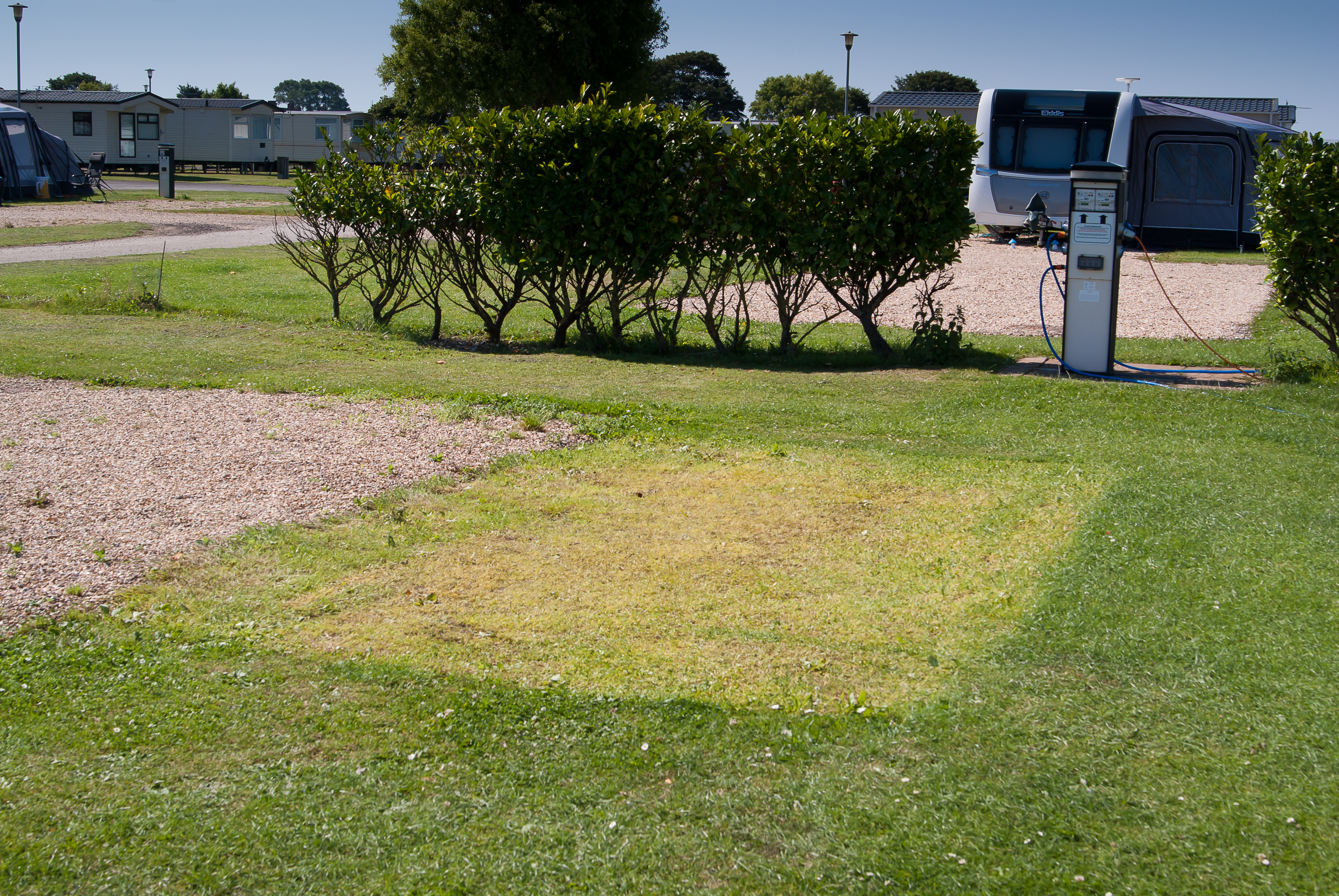
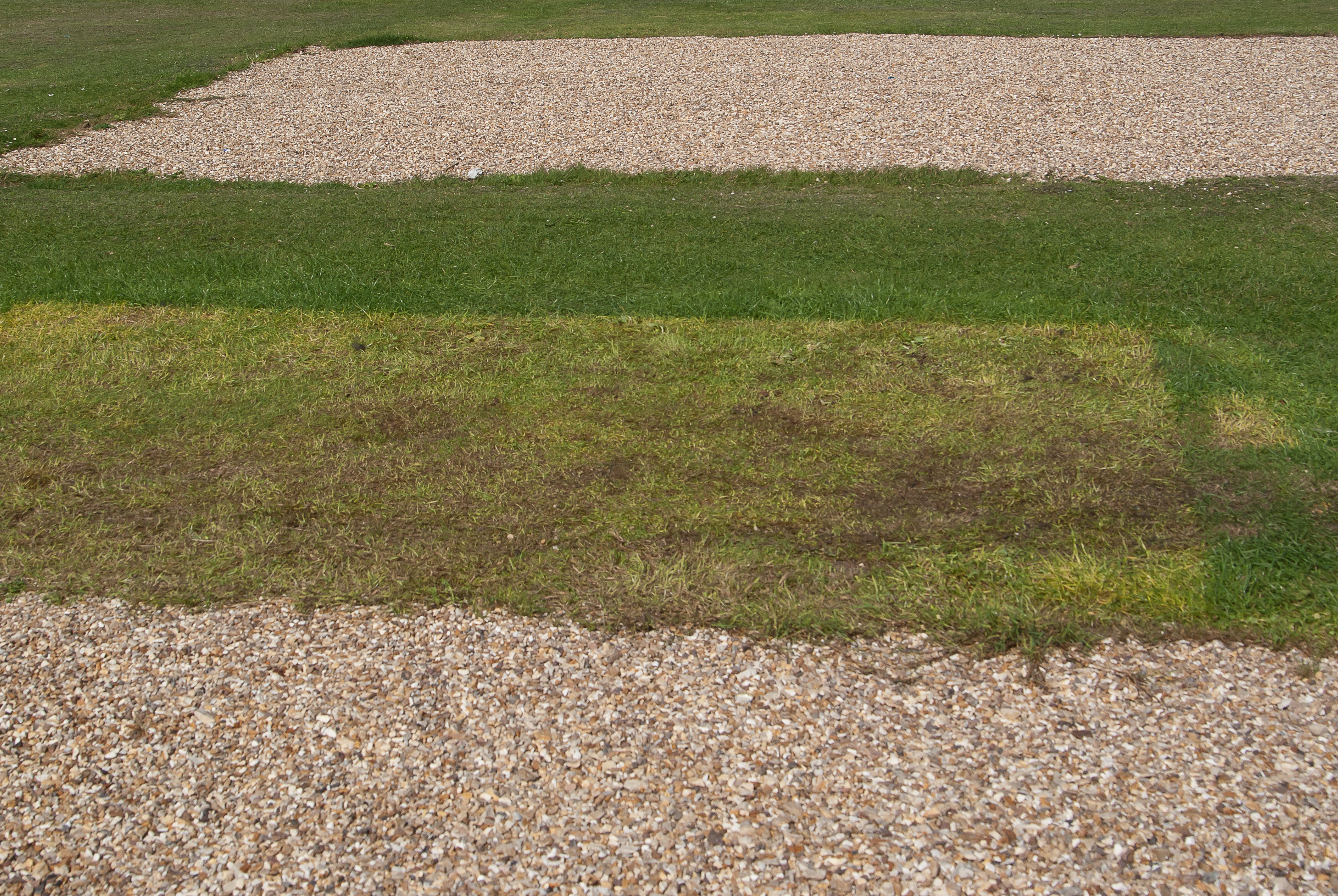
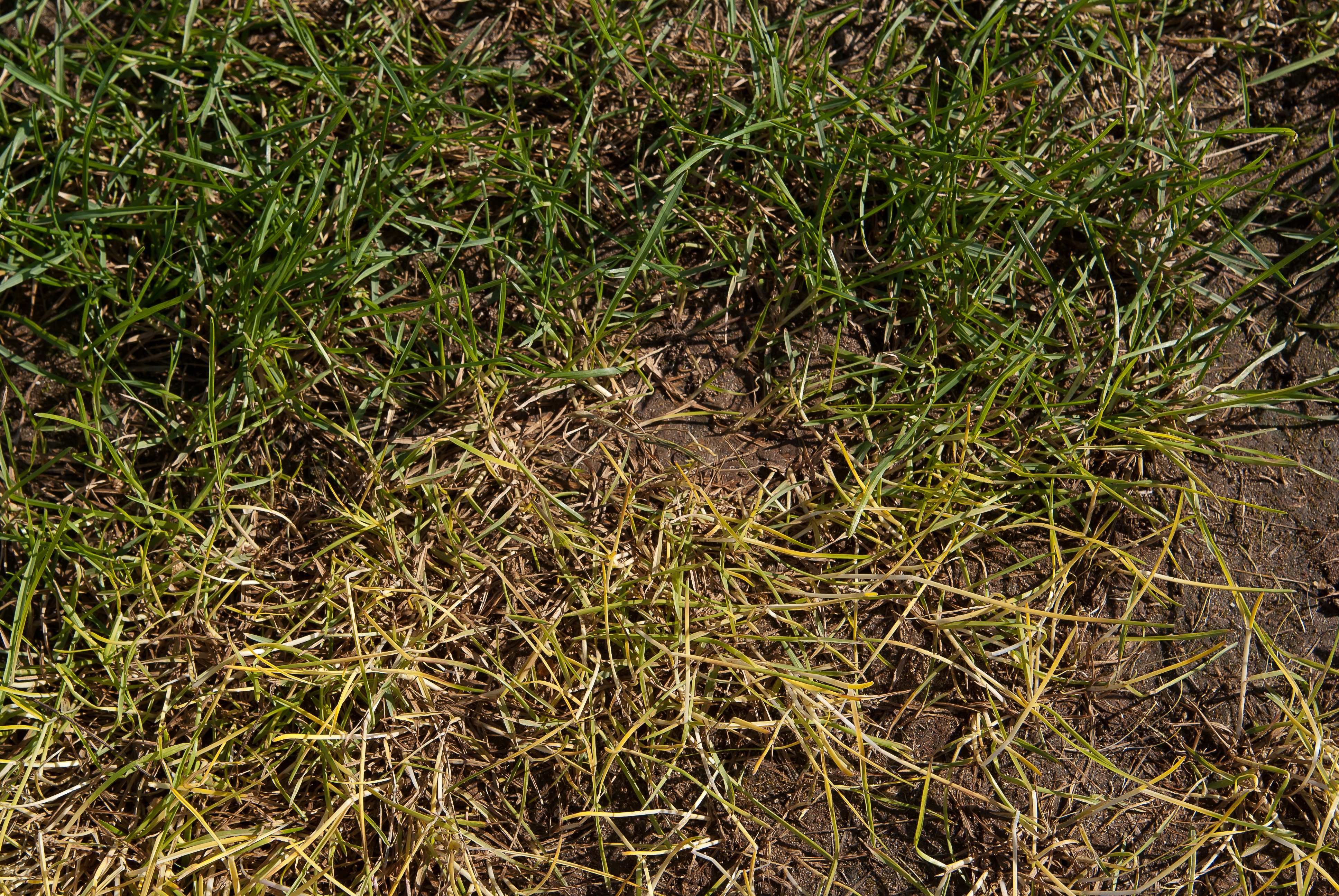
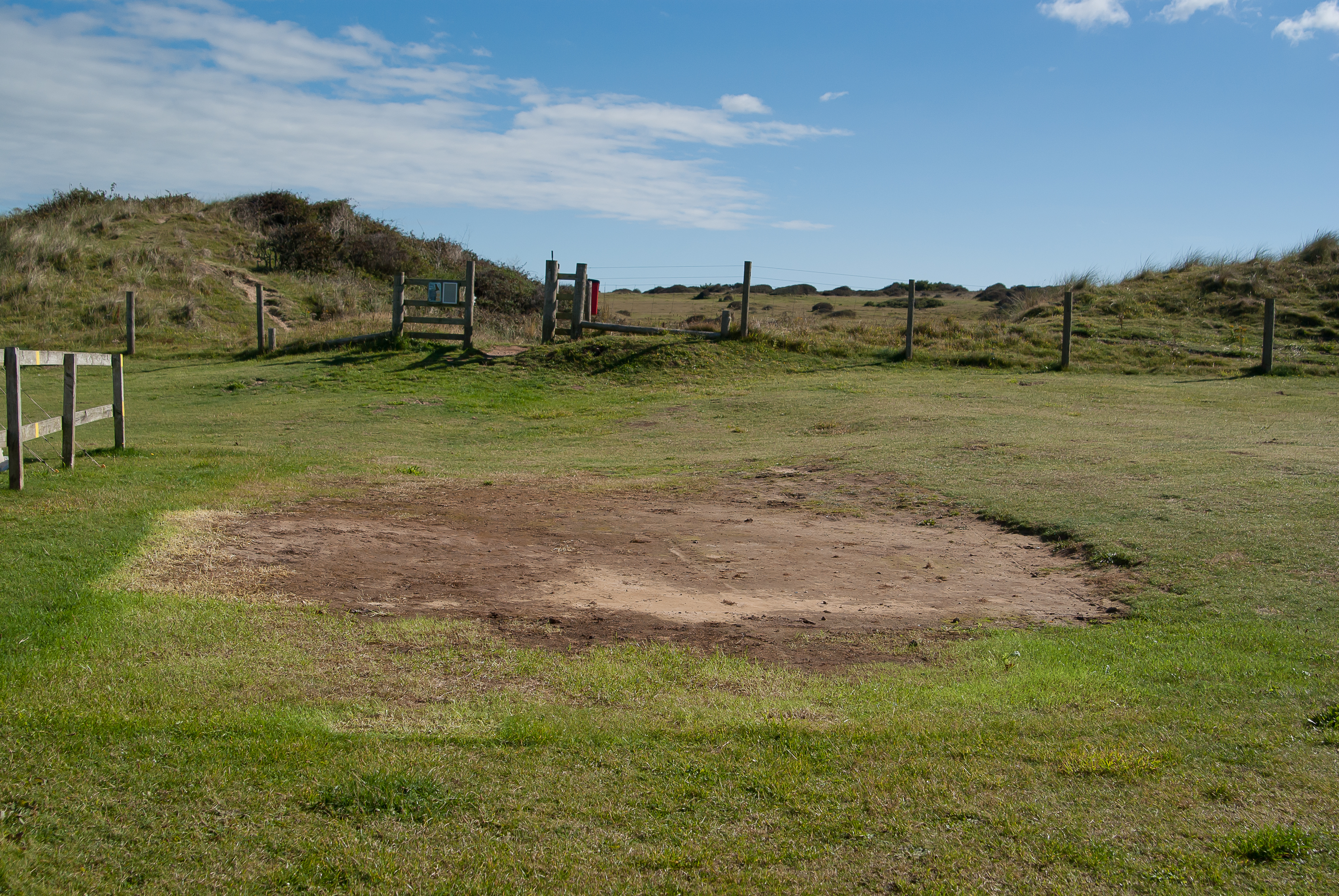
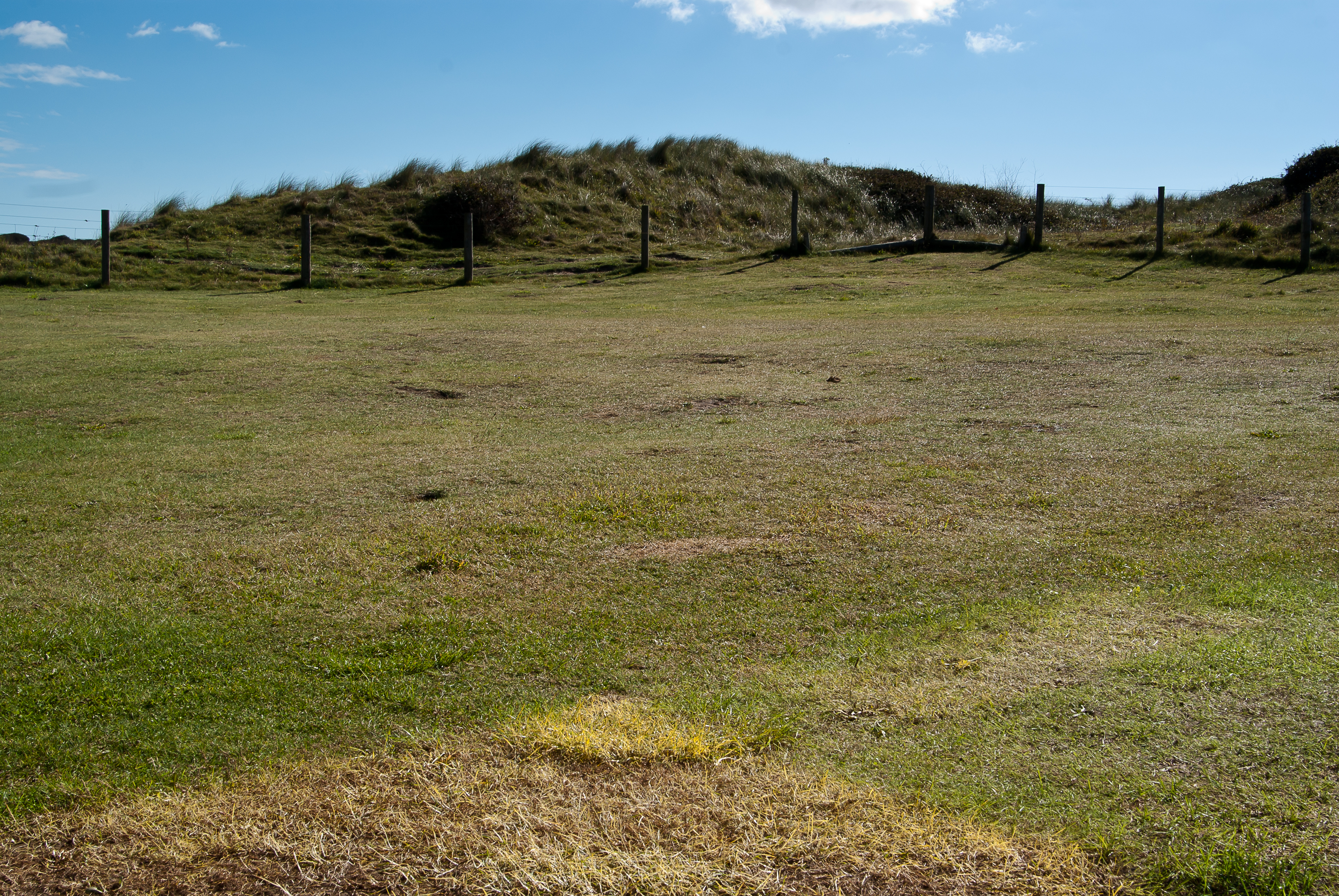
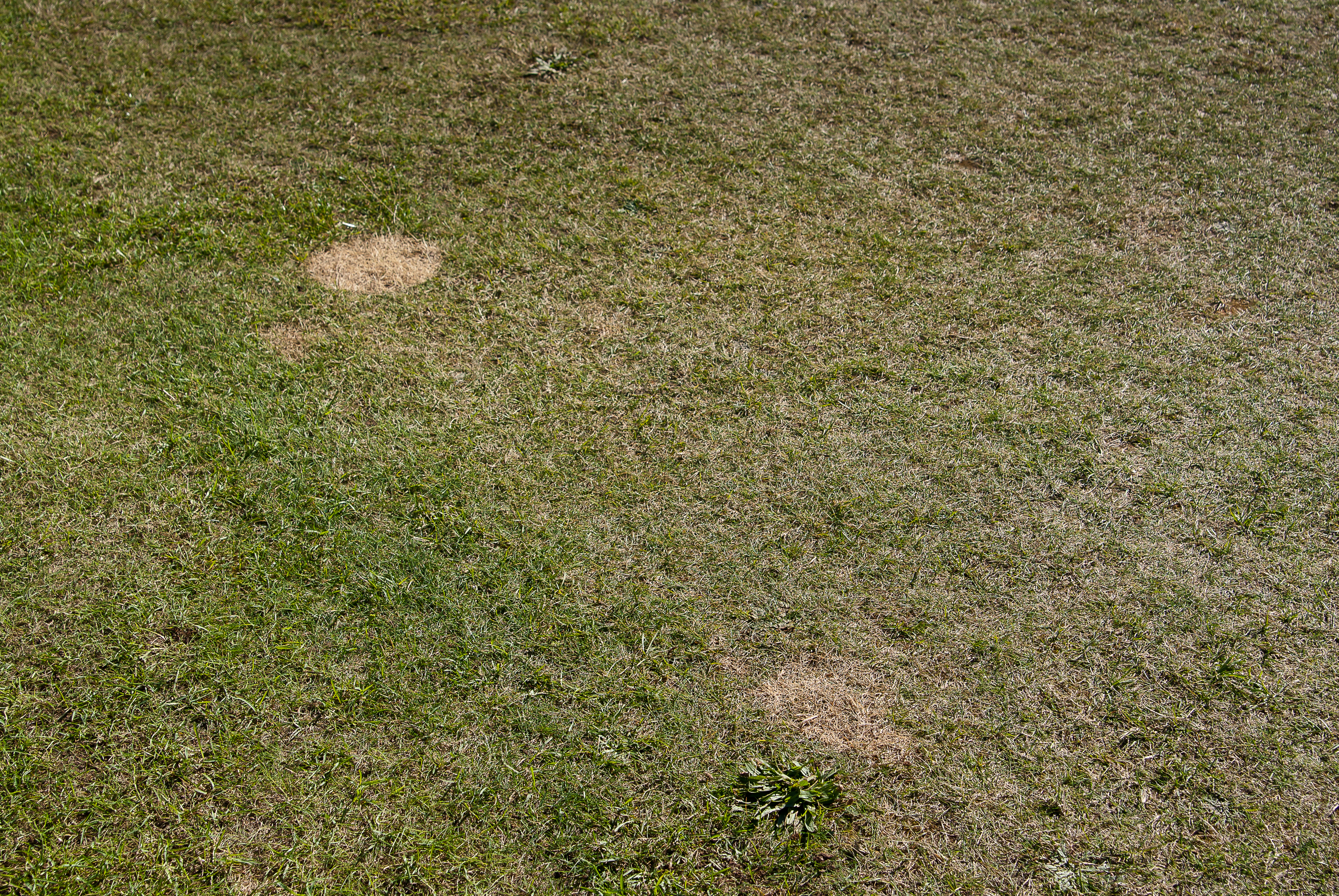
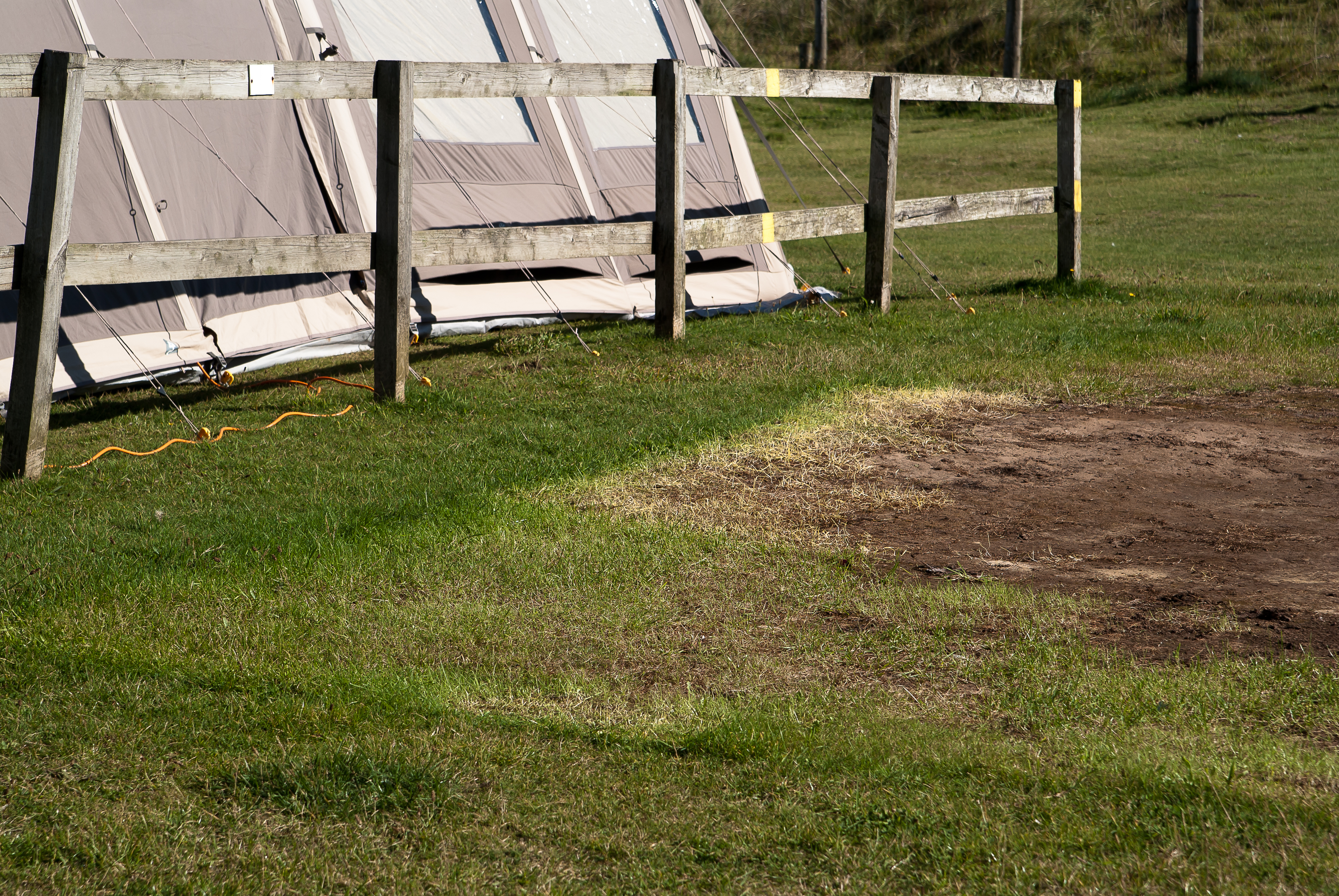
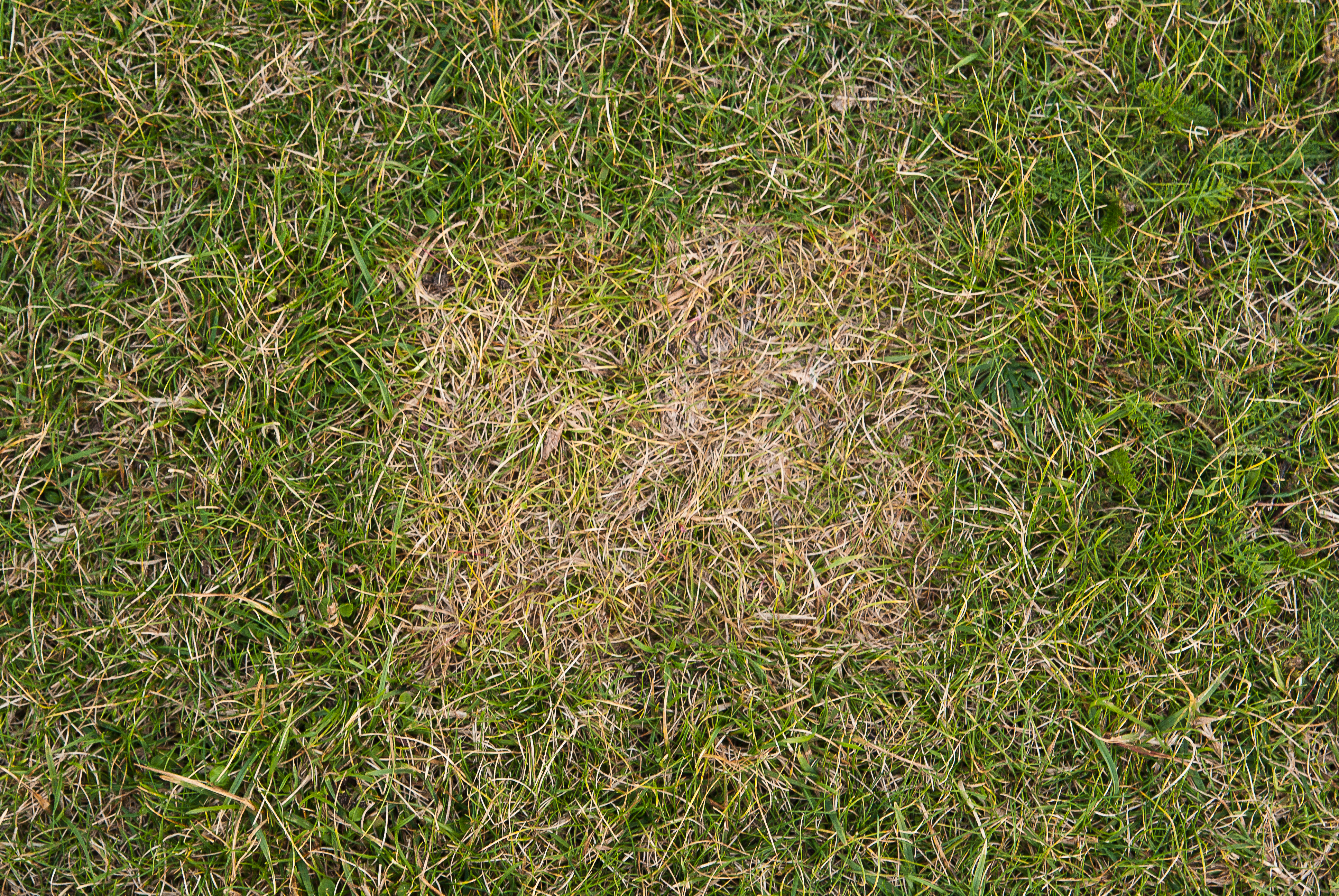
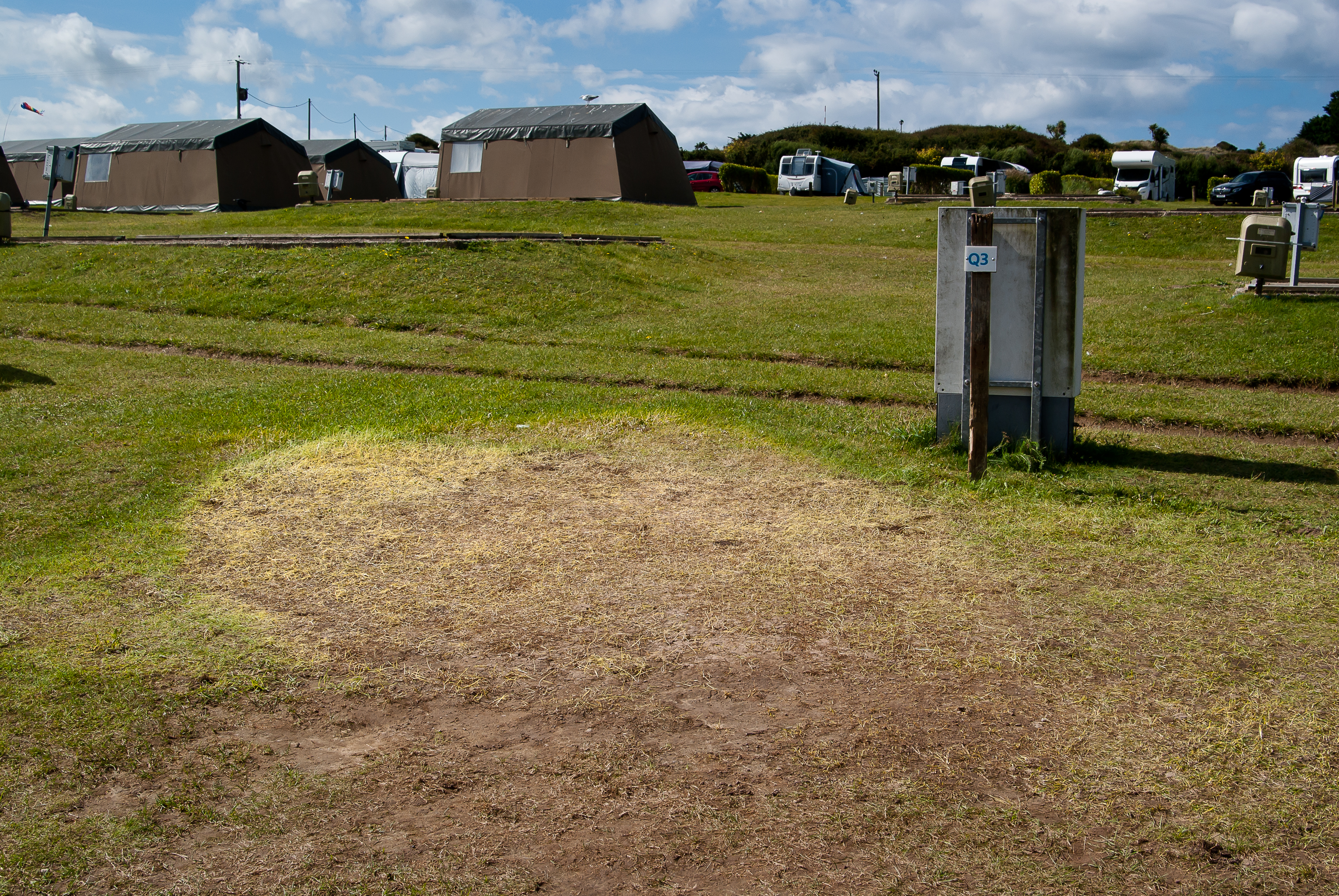
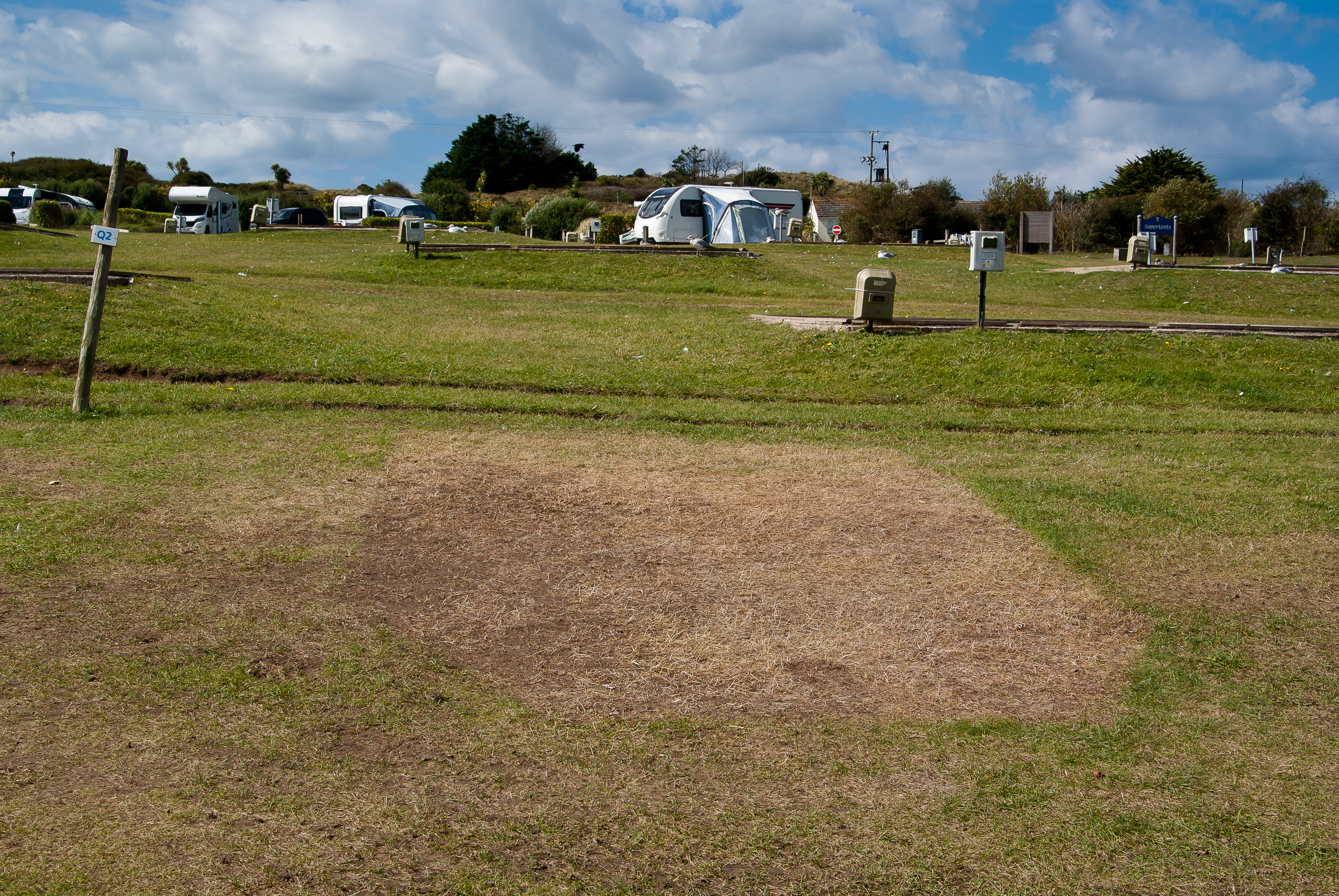
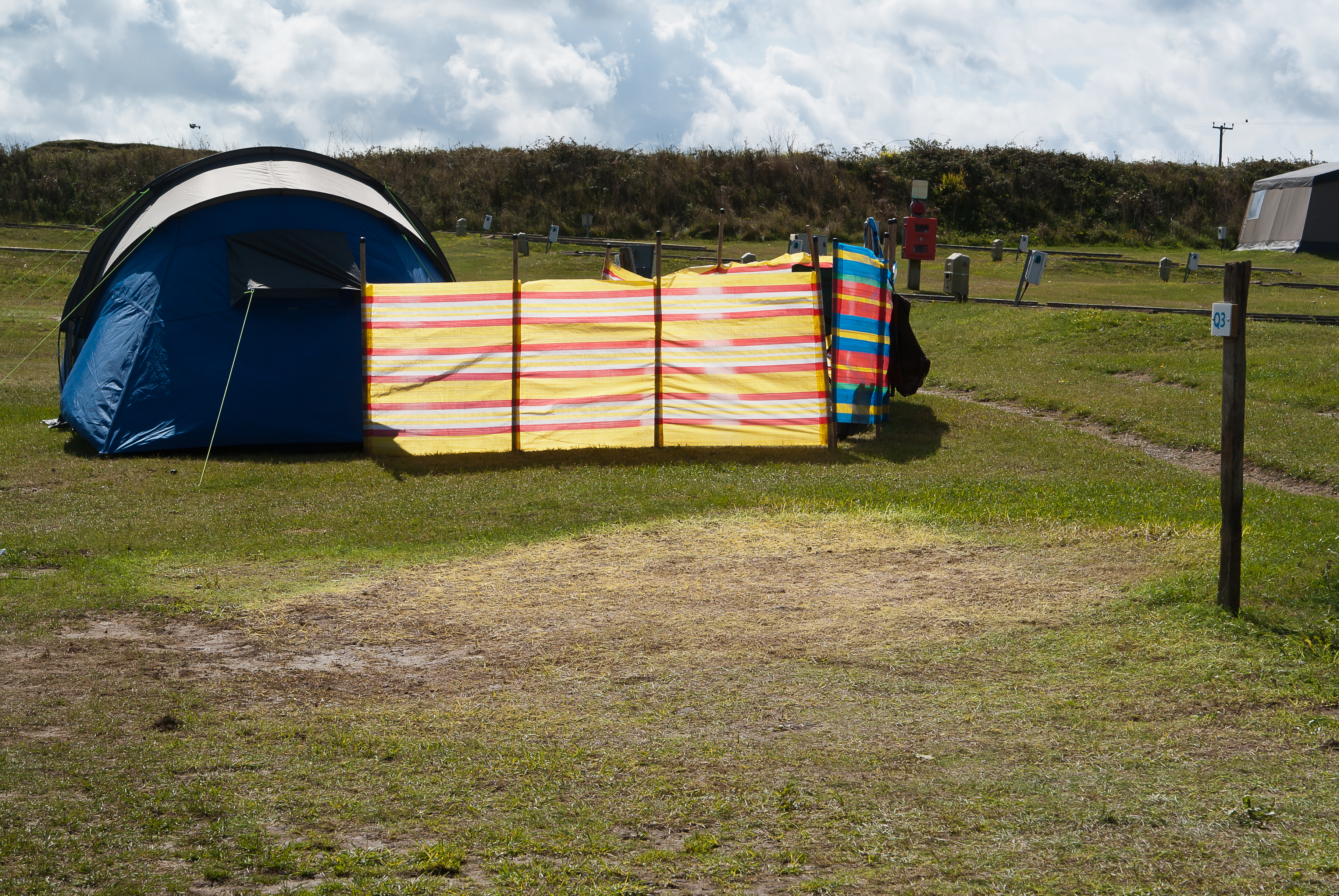
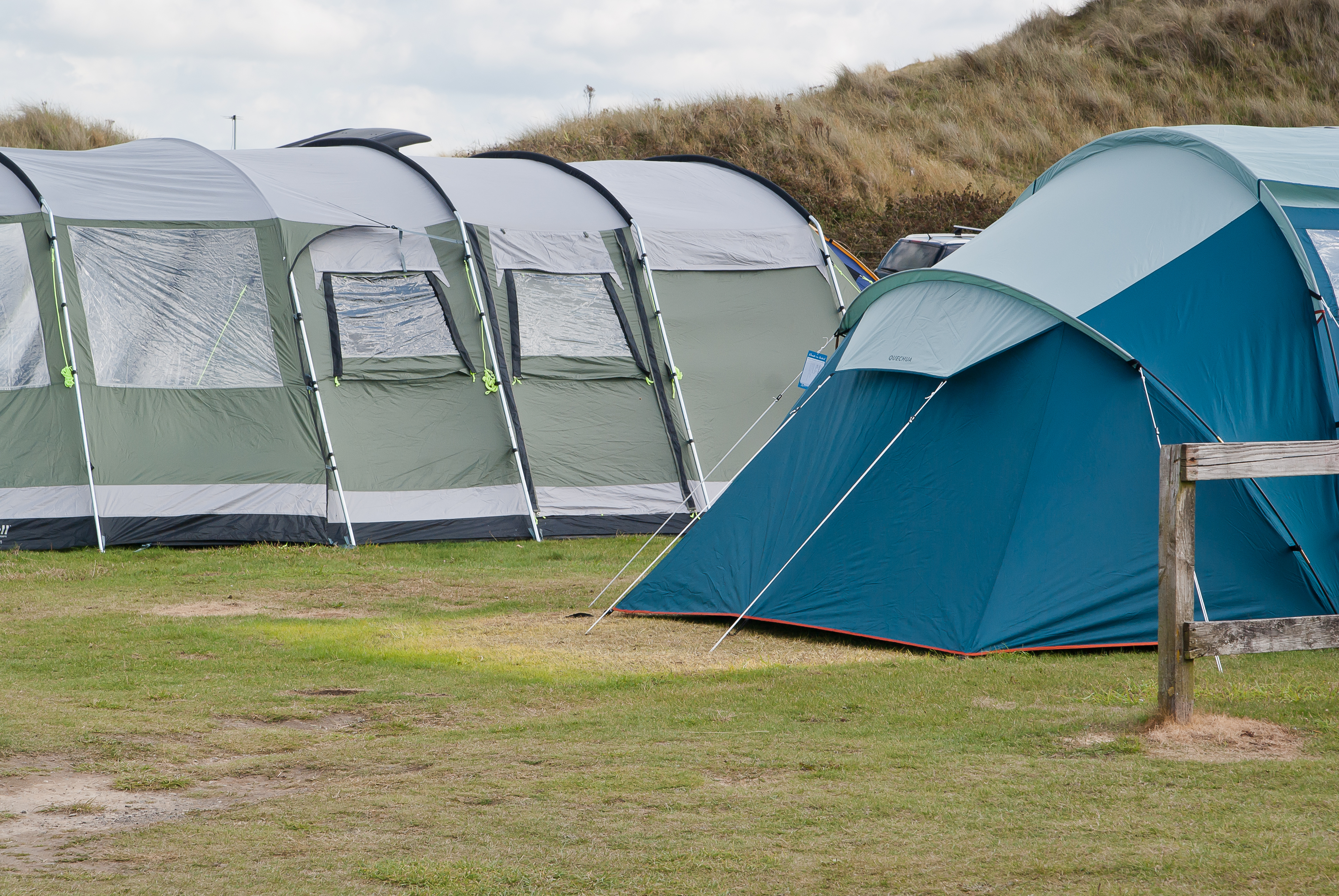
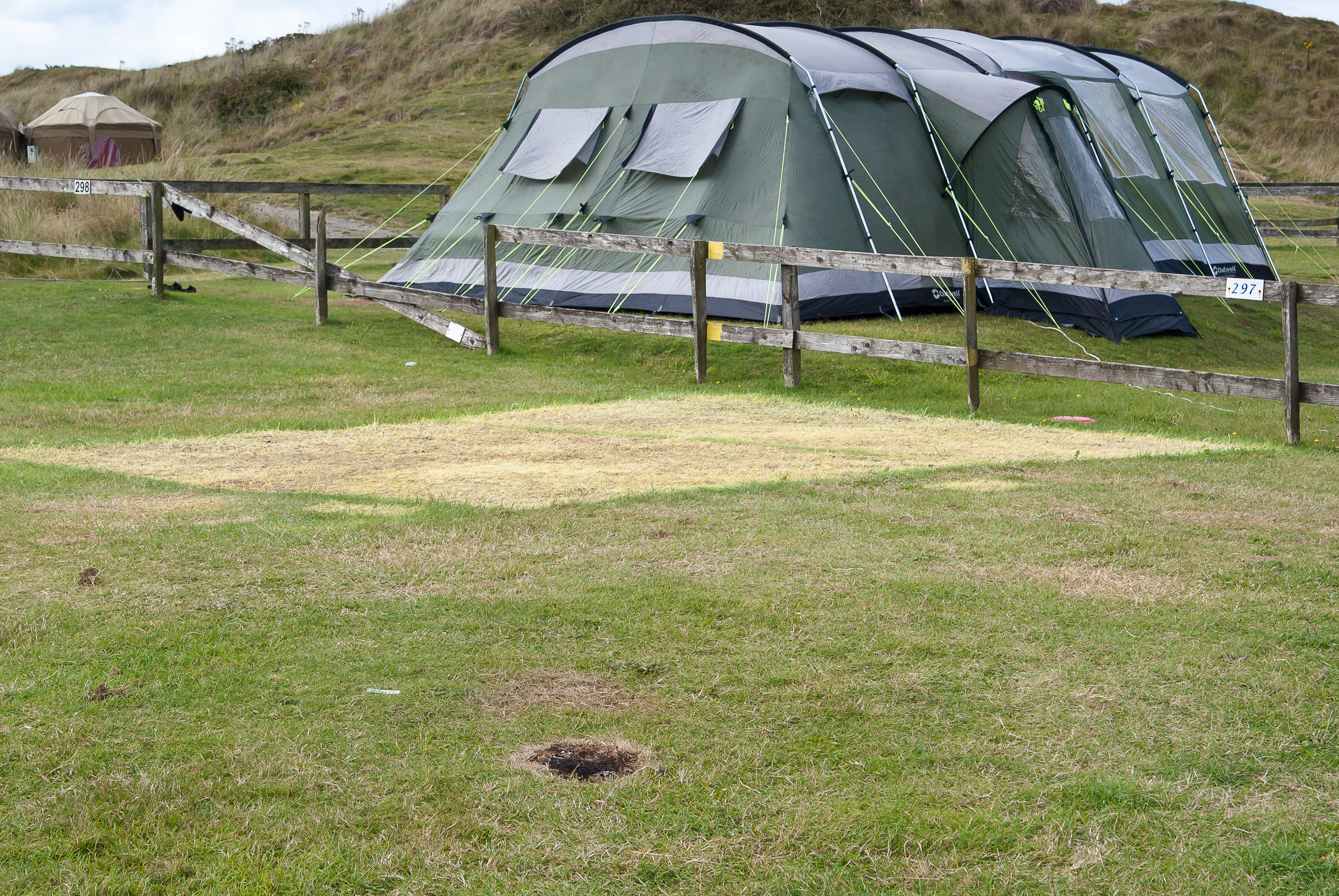
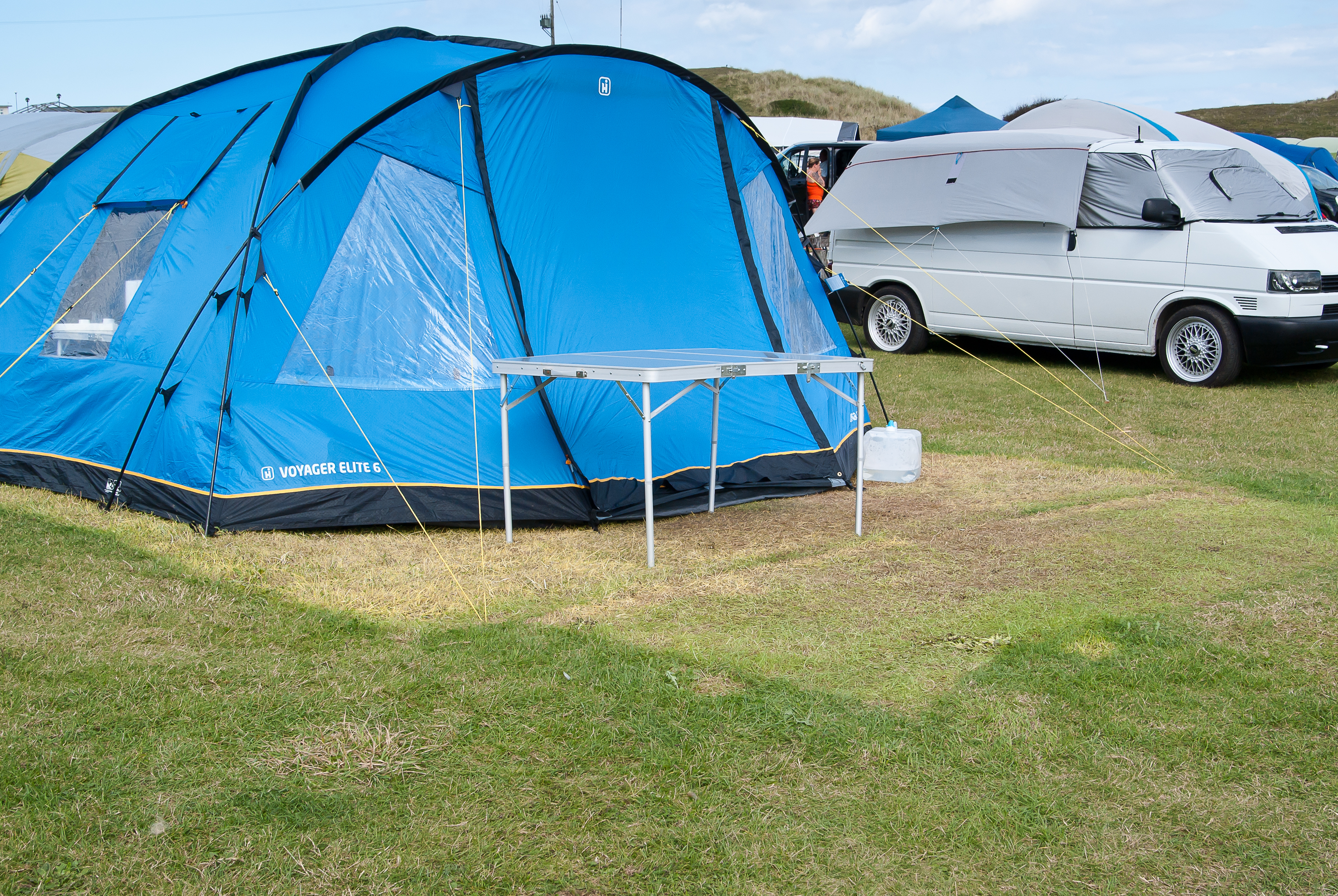
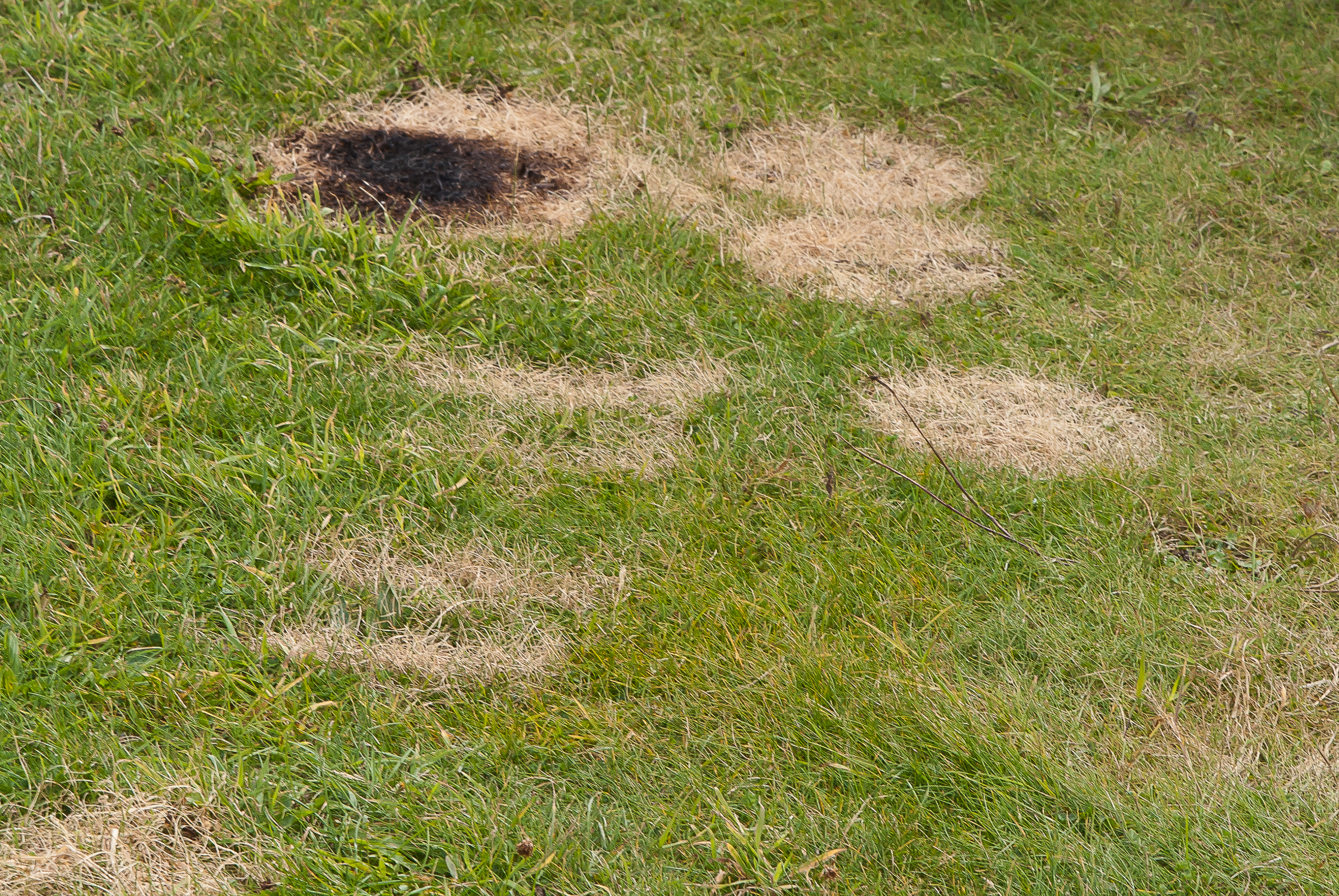
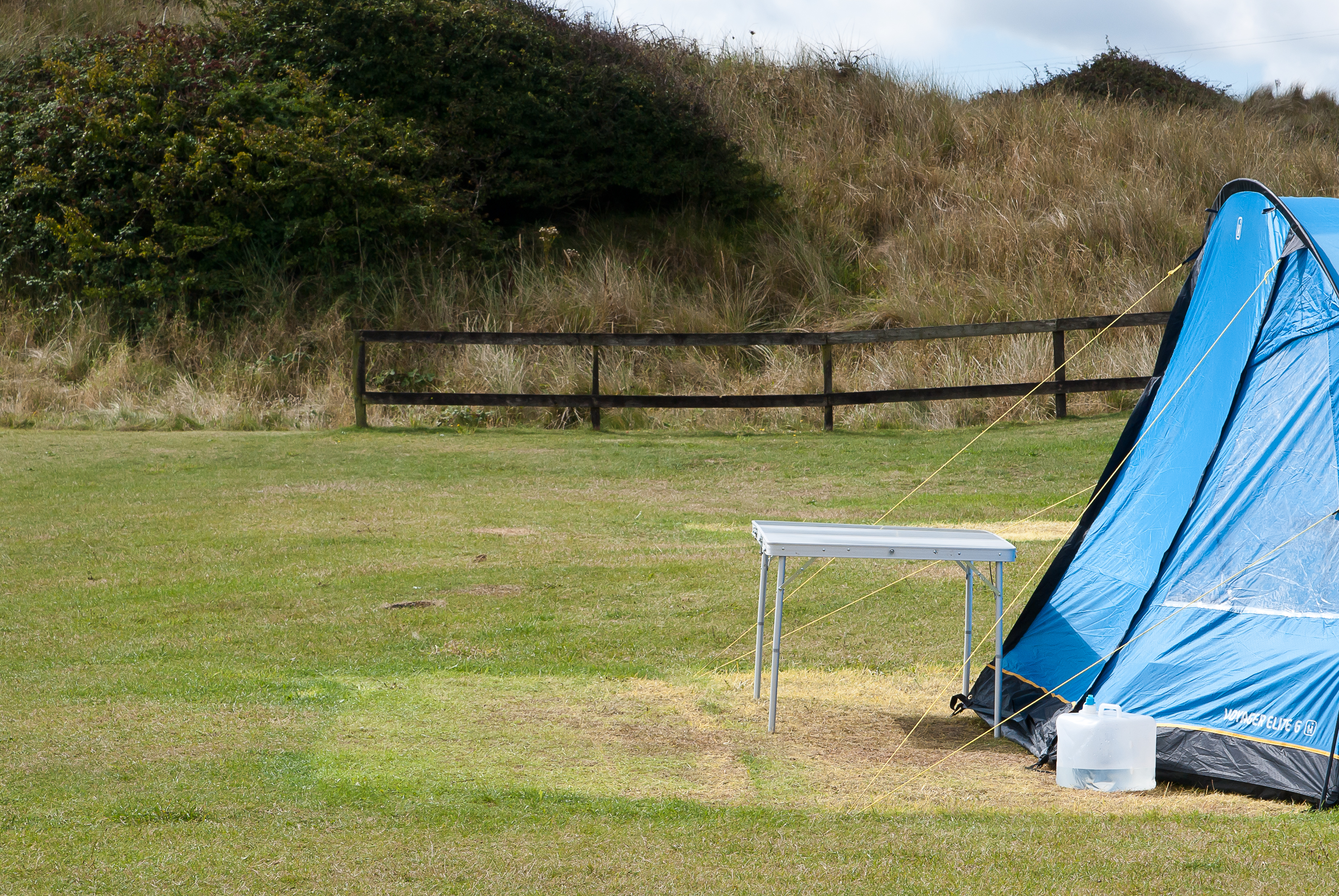
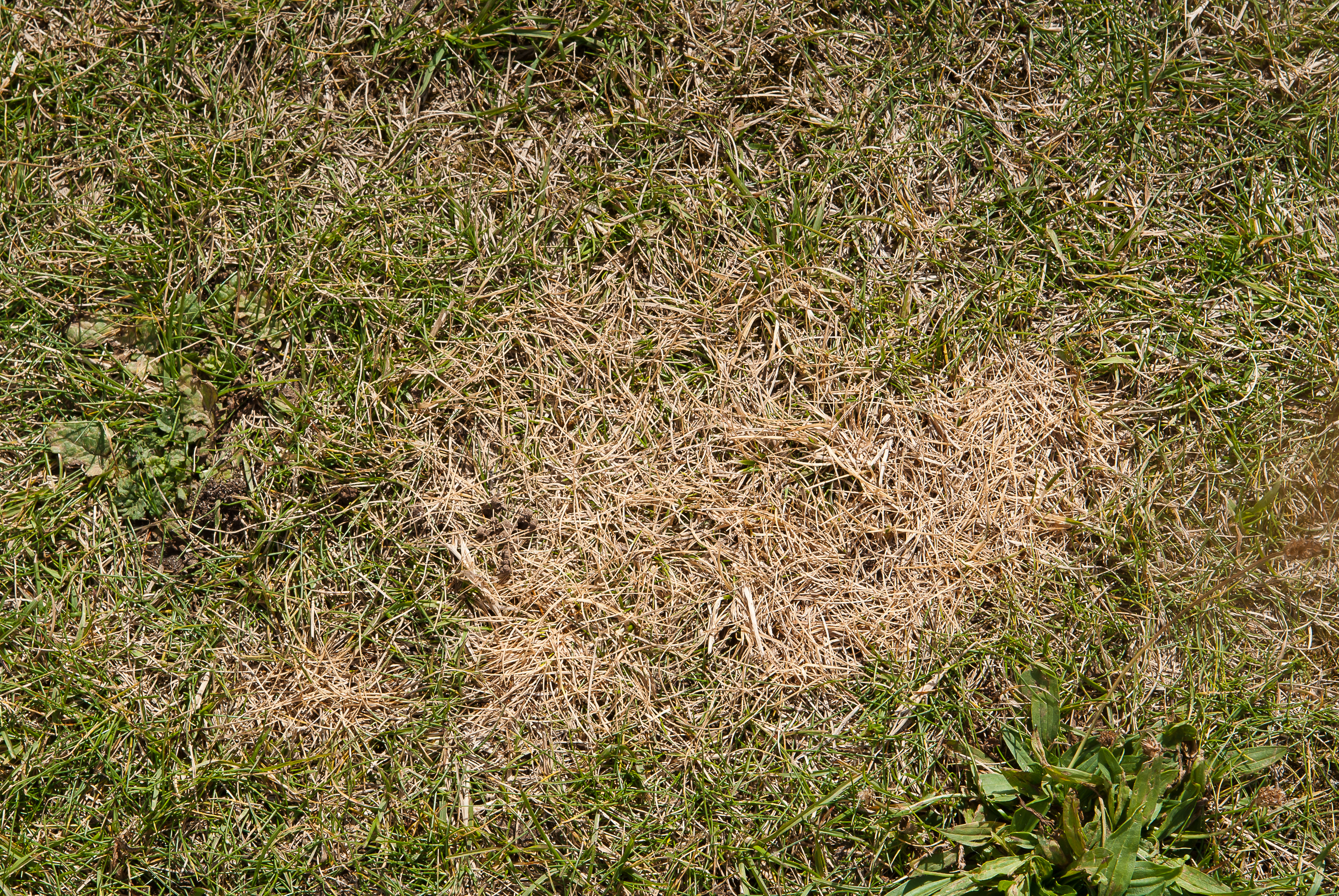
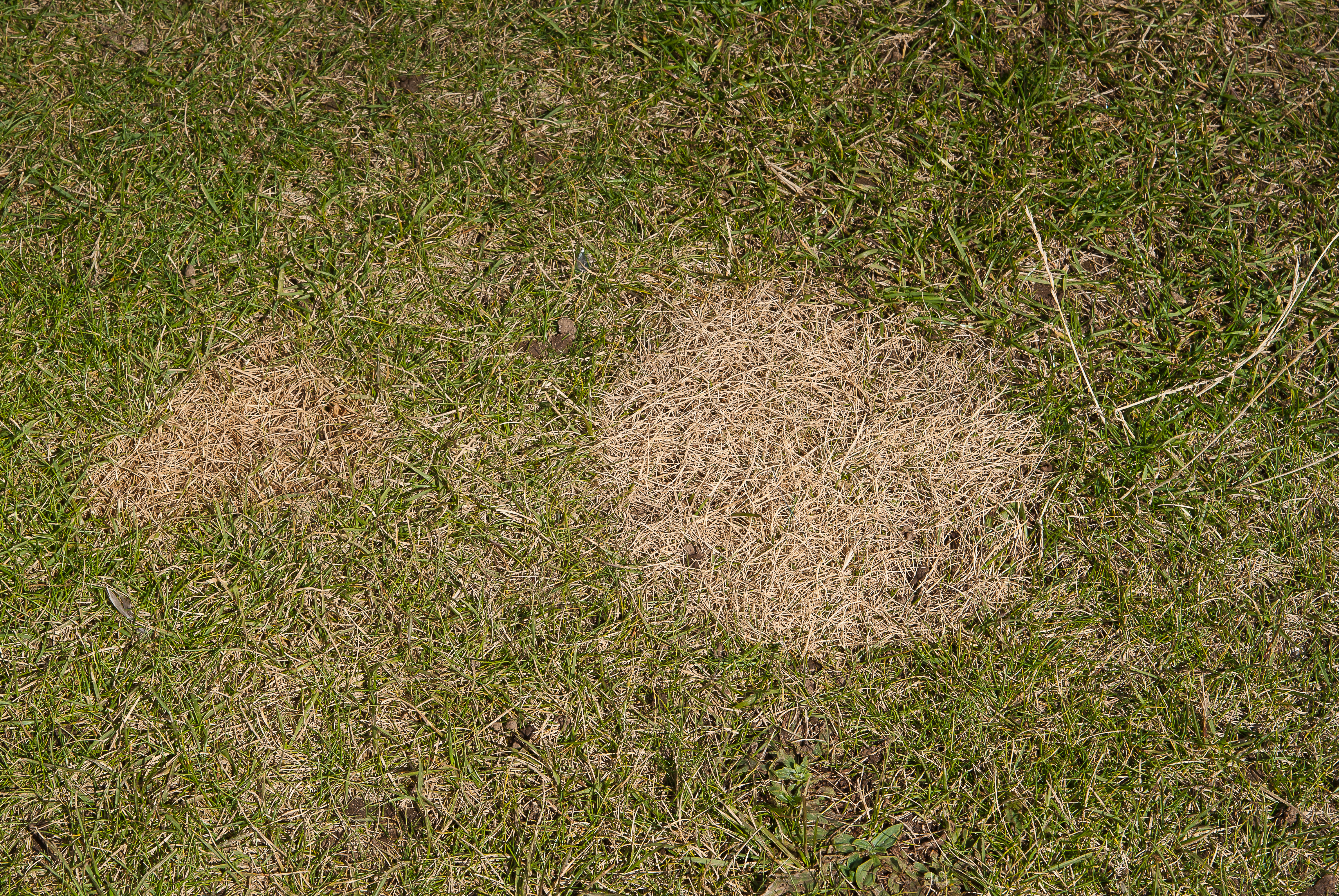
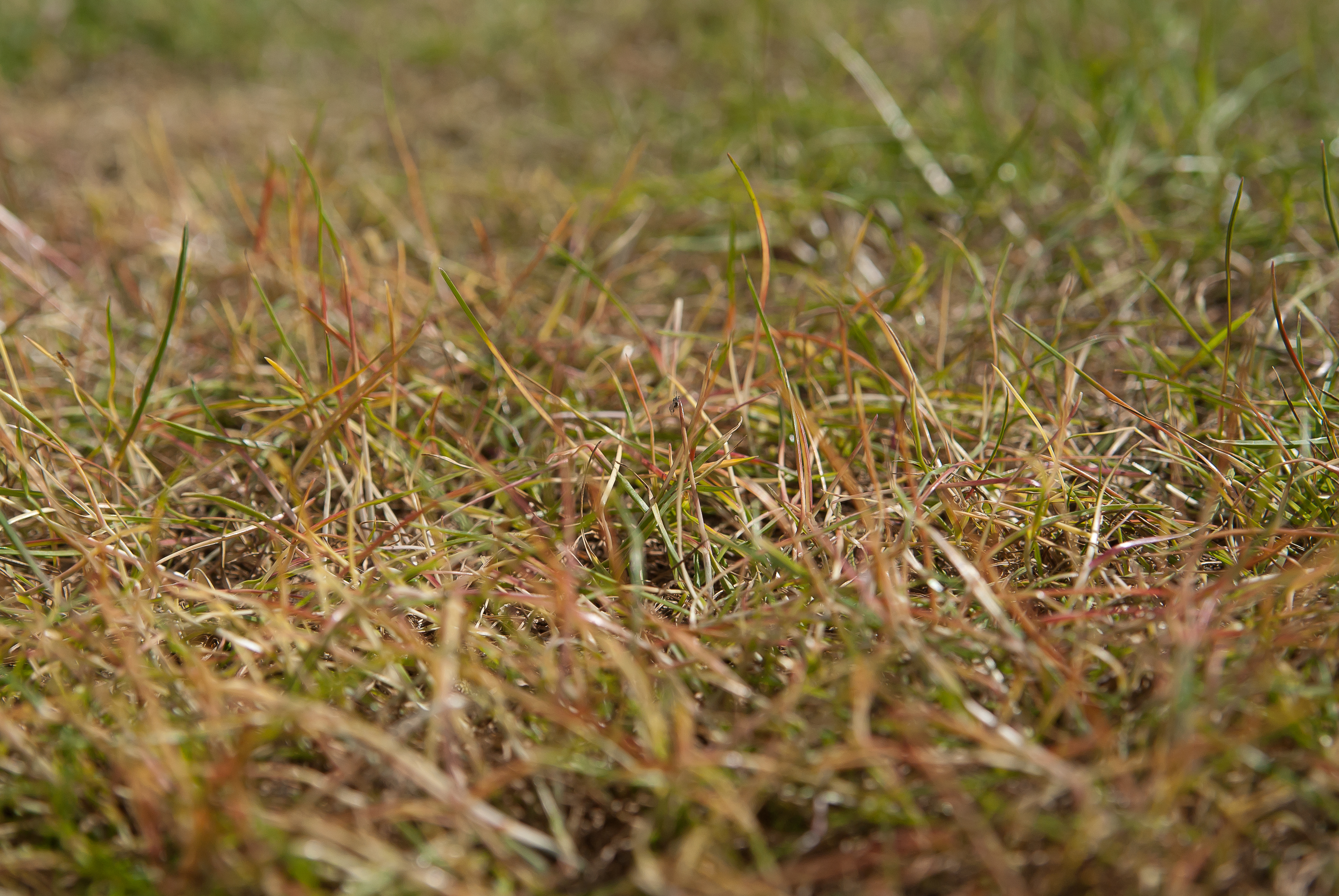
My second point of interest was pushing the boundaries of photography beyond capturing light in a camera: earlier in this course I investigated cyanotypes and lumen prints and for this assignment I looked at the ‘images’ sunlight creates on grass. In this case ‘images’ are overlaid again and again, making a photomontage recording each stay, until the end of the season when the grass is allowed to restore and regrow until the cycle begins again. Thus the project looks at the passing of time, regeneration and repetition in nature and human behaviour.
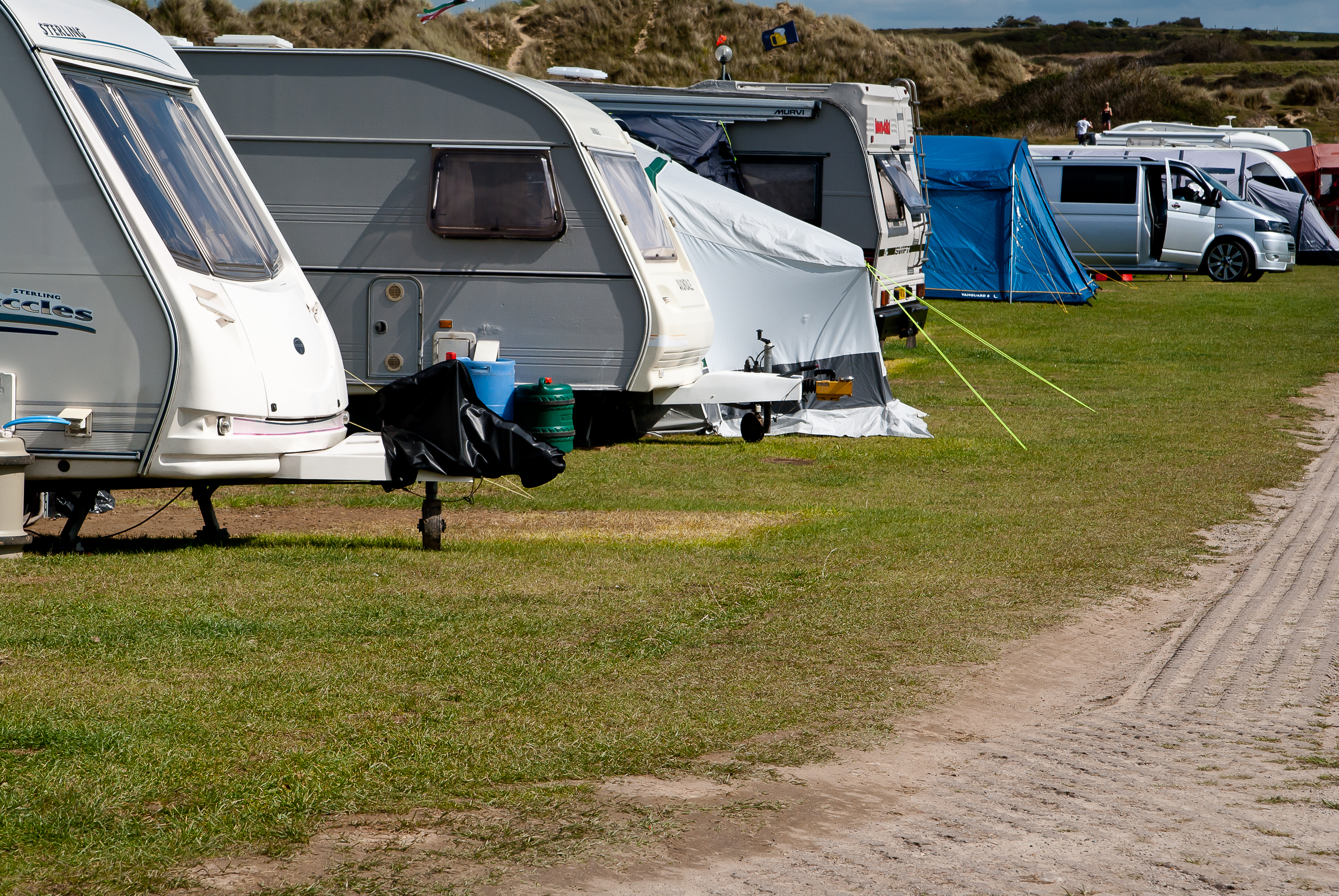
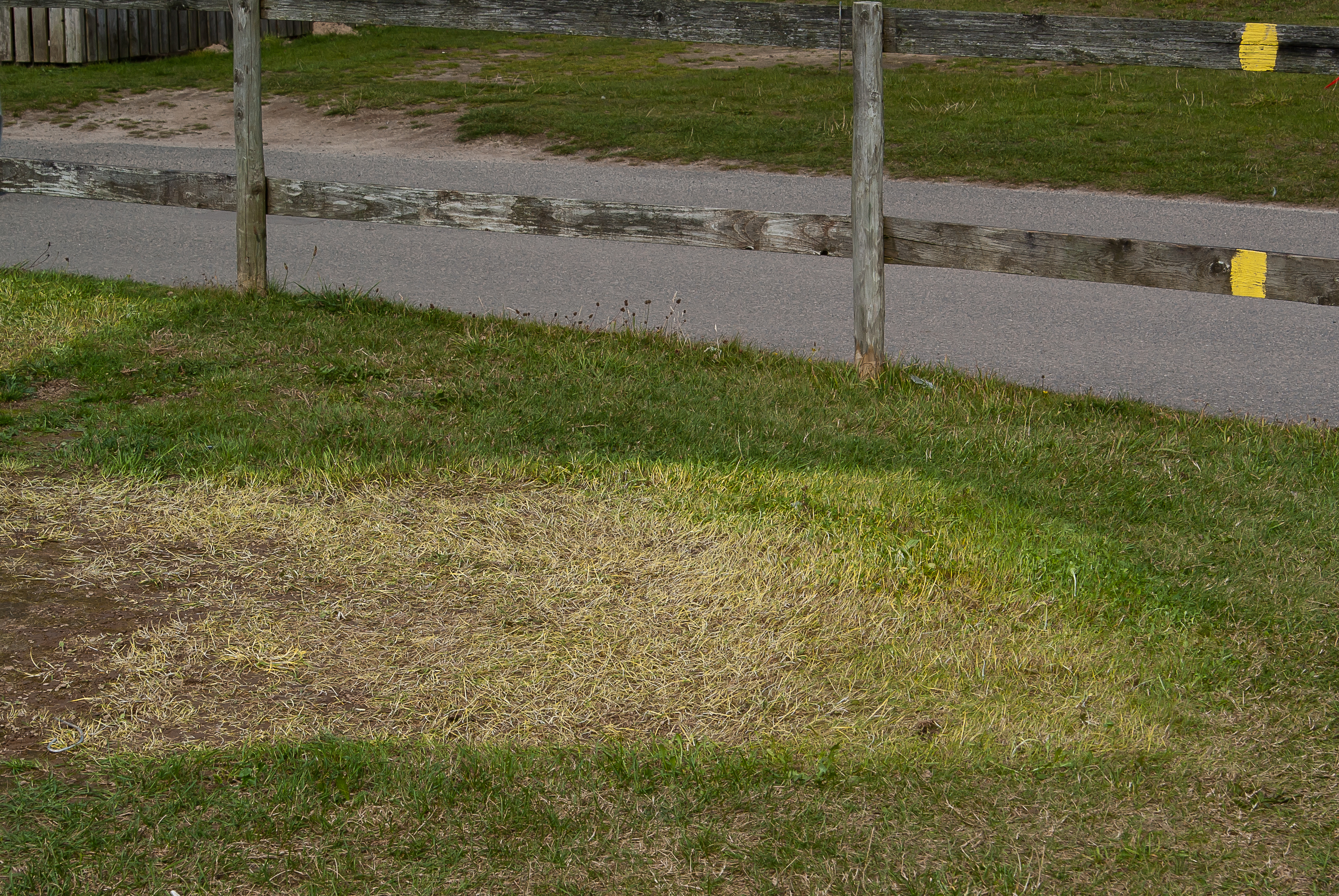
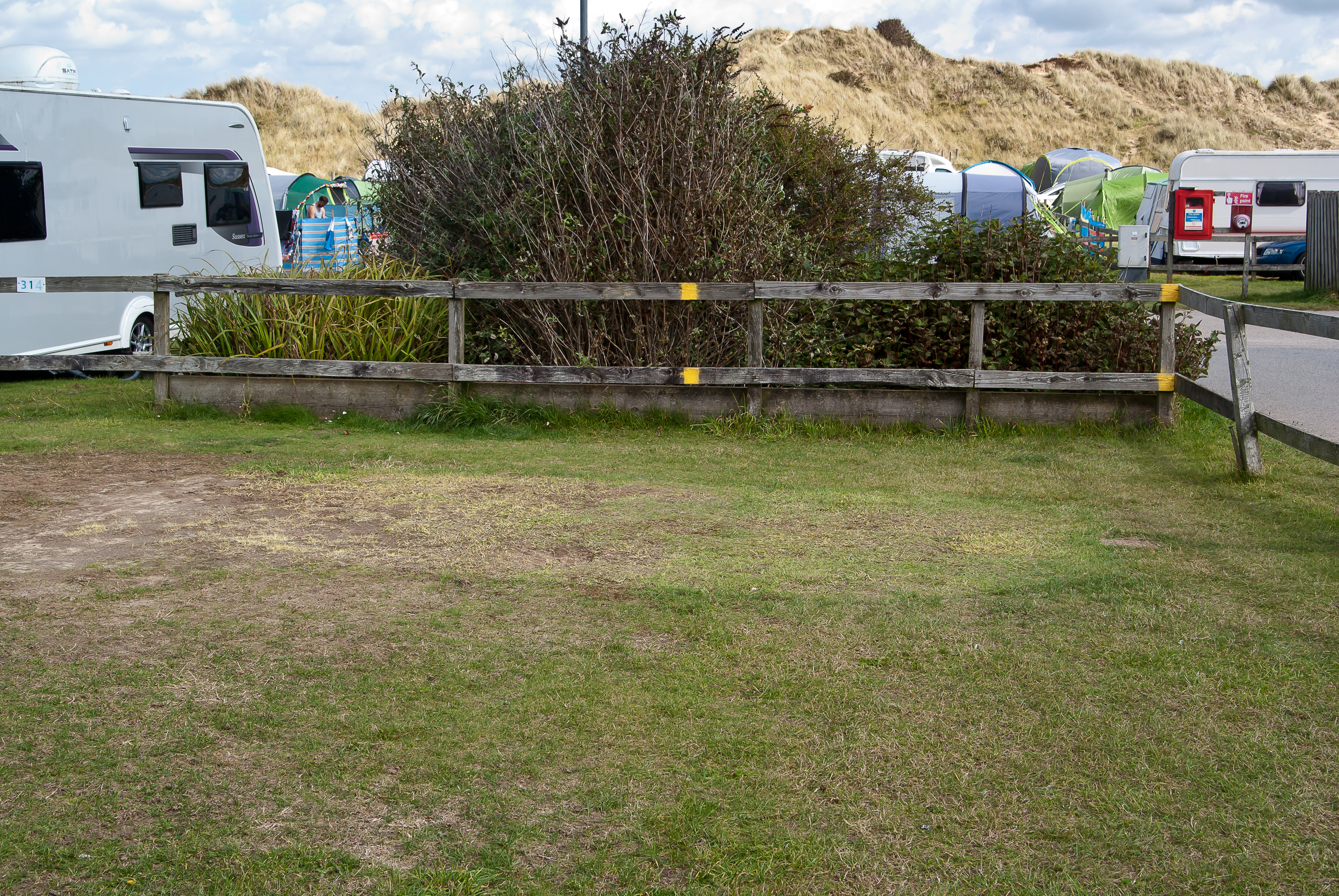
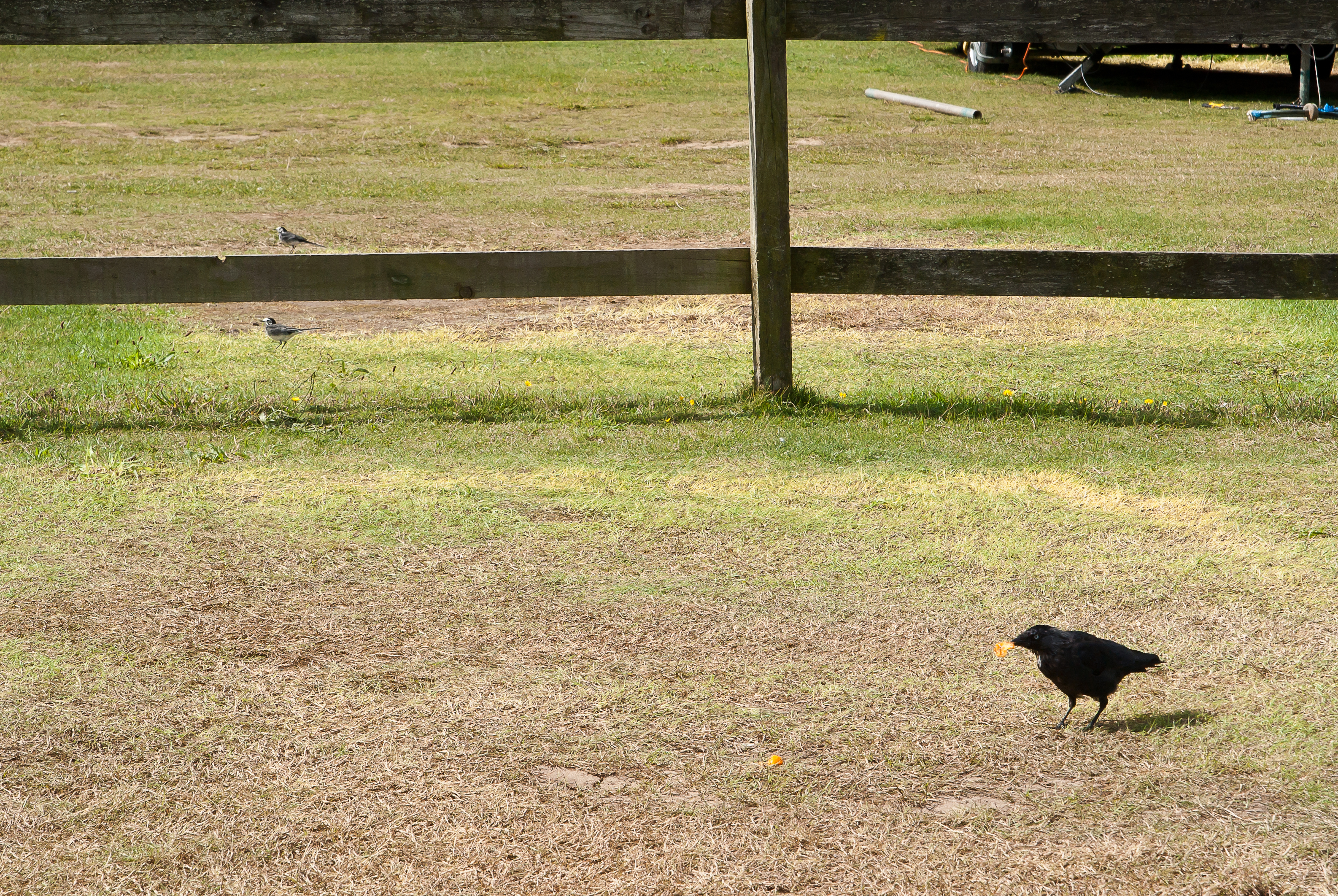
Evaluation
I am happy with the way this project has turned out, and I think that looking at sun marks on the earth is something I will continue to do for some time. I achieved what I set out to do which was to create an interesting set of images which tells us something of what has been happening whilst leaving a narrative element to the viewer to imagine. My original project brief is shown below and I think I have largely stuck to what I was intending to convey.
I will also remain interested in caravan parks; so many formative memories are created there and they are a specific environment created for a specific purpose which is has a landscape angle to be explored. I would also like to use grass further in my work, perhaps deliberately creating shapes in and perhaps also growing some in the gallery space.
Artist’s Statement
My work focuses of the dynamic tensions between landscape and people, even though people are rarely depicted. Whilst contemplating the landscape I am constantly thinking of the impact landscape has on humans both in a physical and emotional sense. Conversely, I am also interested in the impact humans have on the landscape, not just in the obvious sense of environmental damage, but also in more subtle ways, in the signs of human behaviour left behind on a small scale, temporary basis.
My piece on caravan parks focuses on the evidence left behind by holidaying families in the form of temporary photographic imprints on the grass; repetitive shapes made time and time again throughout the holiday season, leaving short term evidence of those who came before; regenerating year after year as the cycle begins again.
Project Brief
Around two years ago I became interested in how the marks on grass when it has been deprived of light are a kind of naturally occurring photography which, when an item is placed on it for a period of time and subsequently removed, create a silhouetted ‘image’ of that which has been placed there.
I began collecting images of this type of ‘photography’ when I came across it whilst out walking with my camera, whilst wondering what had previously been there to leave the image. Some large areas were indicative of a temporary structure of some sort, hinting at a gathering for an unknown occasion, whereas others were very small.
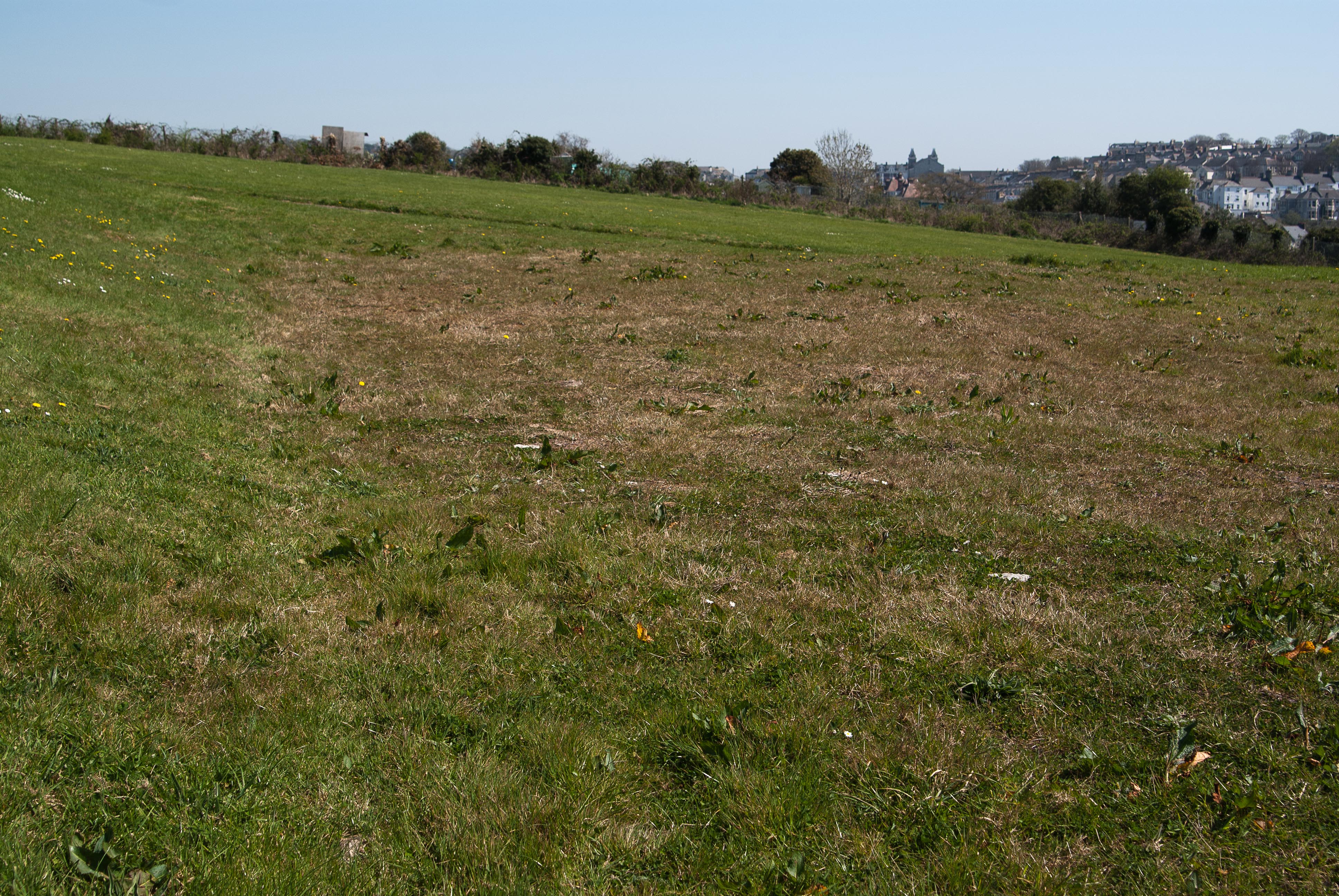
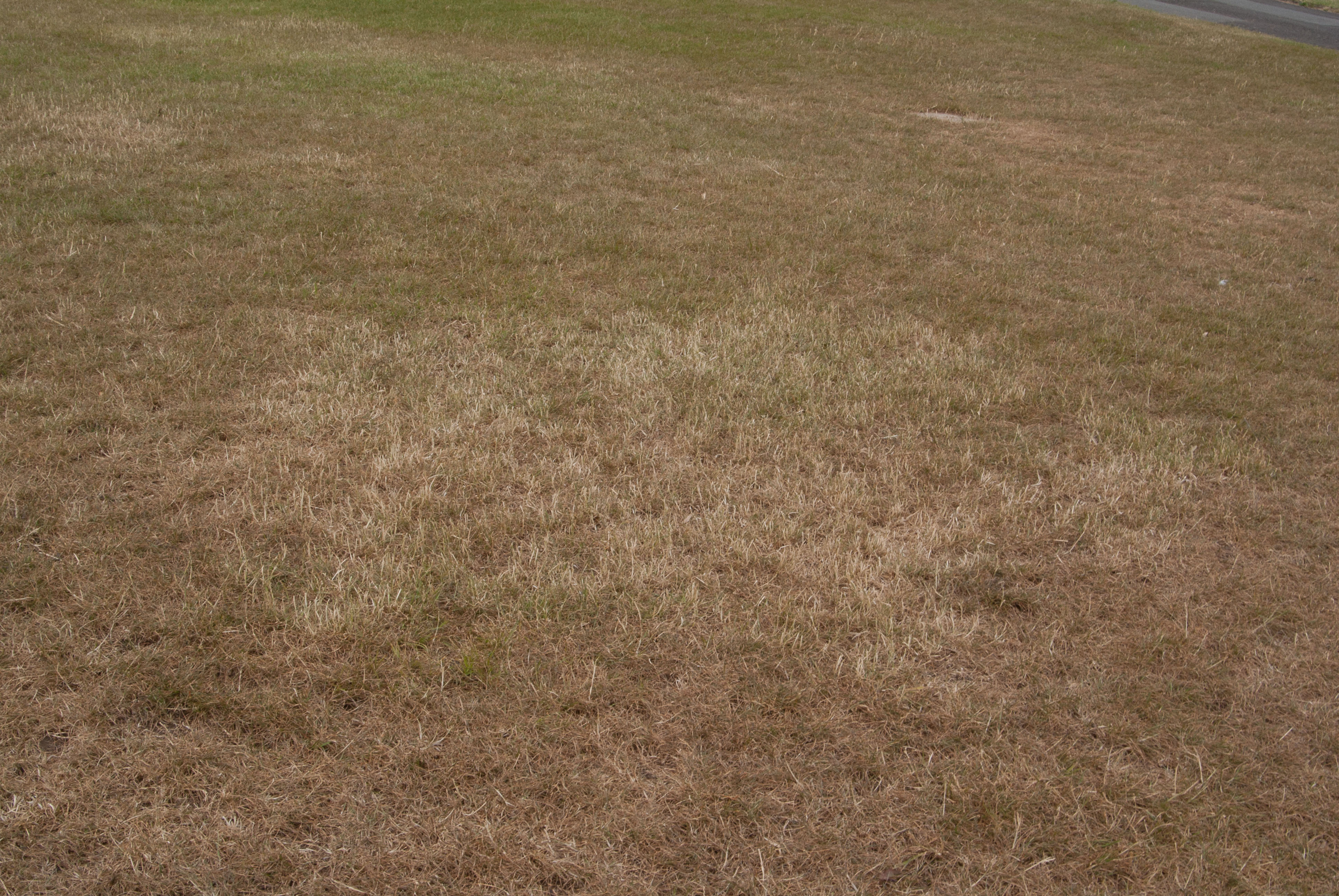
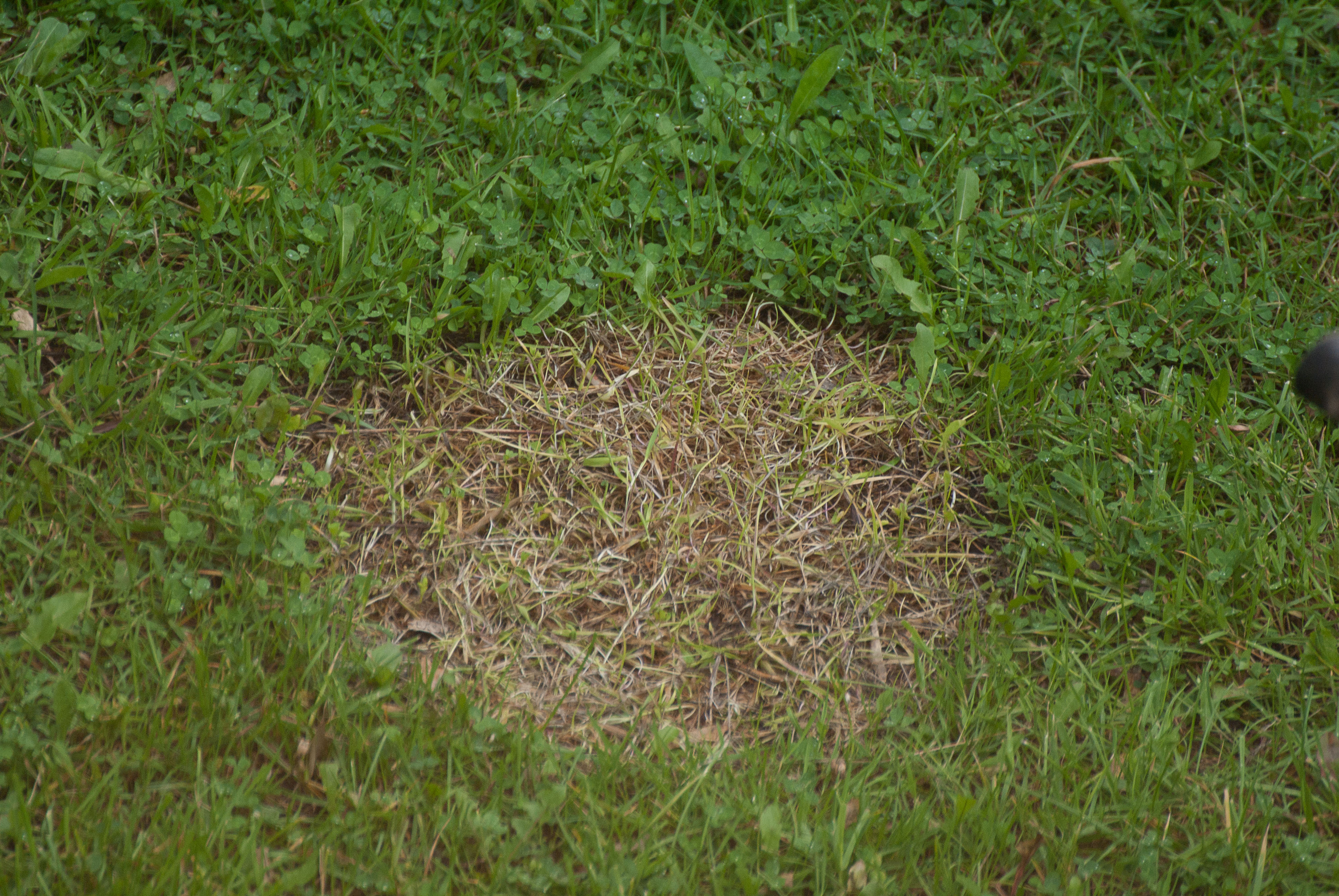
Inspired by artists challenging what constitutes photography such as Tom Lovelace, following on from my earlier work for this module using the sun to create cyanotypes and lumen prints, and also referencing my research on Land Art, I wanted to explore further these images that are made on the earth itself, which break through the limitations of photographic paper size boundaries.
I also bring to my work a personal interest in the family photo album, and particularly in the images we retake year after year in different forms, for example the holiday snap or the birthday party, and the idea that versions of these images are taken year after year, generation through generation. We are so familiar with these images that when we view someone else’s version, we can immediately imagine the scene beyond the boundaries of the shown image and subconsciously apply our own preconceptions and experience of the our imaginings. Thus it is so with the British caravan park; many people already have their own thoughts on what it is to holiday in this environment.
My project proposal is to combine the interests laid out above and explore how the images created by objects blocking natural light on grass create a new type of holiday photograph, that which hints at what has occurred at the particular site but leaves the viewer to imagine the scenes contained within that confined area of ground.
 Rhonda's Landscape blog