One November’s day few years ago, we took our then toddler daughter to her favourite local theme park. In contrast to the usual summer throng of visitors with their picnics and ice creams, and long queues for rides whilst under attack from children and wasps fuelled by a combination of sugar and sun, the park in the week before its annual winter shutdown was virtually empty, with just a scattering of families wandering between rides. No jostling, no hubbub, no frayed tempers, no children giddy with pent-up excitement; just an eerie silence punctuated by occasional subdued conversation. In theory, the thought of a theme park to oneself seems inviting, even preferable: more ride time; somewhere to sit down; no excess noise. However, the visit was not a success. The operator of my daughter’s favourite carousel had to stop the ride when she, the lone participant, became distressed at being repeatedly flung around in circles in silence. With barely anyone else there, the theme park had become an empty space, lost of its context and association with fun.
This scenario perhaps helps to explain, in 2020, the sense of unease experienced in cities all over the world at the height of lockdown restrictions imposed by governments in response to the Coronavirus pandemic. In considering this assignment, I frequently returned to the notion that a space becomes a place largely when stories are ascribed to it, via history and events; in other words a place is a product of human activity, from creating or building a physical environment to how we interact with the landscape. In the theme park example above, when normal human activity ceases to occur, the sense of place is lost.
In his book Places of the Heart: The Phsychogeography of Everyday Life, cognitive neuro-scientist Colin Ellard describes a 2012 study he conducted in New York. He took visitors to two sites and recorded their reactions, both physical and emotional: one site was a ‘long, blank façade’ of a supermarket; the other a lively area with restaurants, shops with open doors and windows and a ‘pleasantly meandering mob of pedestrians’. The results were, perhaps with hindsight, predictable: those people stood in front of the blank supermarket recorded low states of arousal and happiness; those at the lively site themselves felt engaged and positive and recorded high levels of arousal. Returning to the 2020 lockdown scenarios across the globe, this evidence raises concerns about what effect taking our daily exercise in an empty urban area is having on the collective mental health of city dwellers and is a subject that has been ignored in the media during the pandemic. Media reports of near-empty city centres focus entirely on the economic impact and make no mention of the psychological impact on those who are still frequenting the city streets; shop and hospitality workers, for instance.
I also looked at the work of Mat Hennek in my research for this assignment. Although not depicting lockdown but in fact representing the finding of pockets of quietness in otherwise bustling urban areas, his series Silent Cities shows beauty in stillness and gives a sense of holding one’s breath, waiting for the action to begin again.
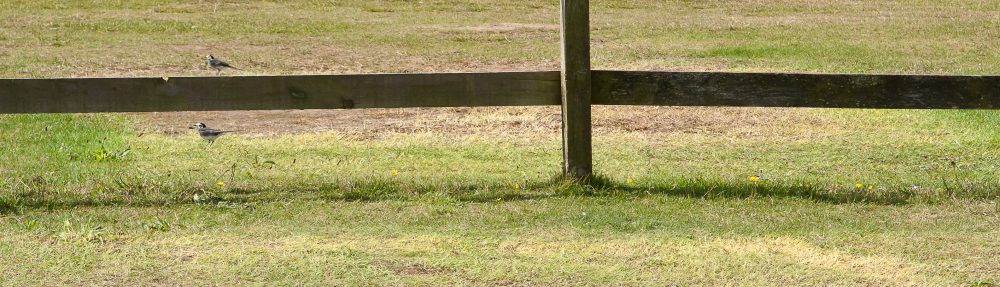
I decided to make my images into a slideshow as this is an unexplored area for me and I felt that adding accompanying music would enhance the atmosphere. The finished piece is intended to convey a sense of the melancholy coupled with a touch of the uncanny – but also a small injection of humour created by the birds that have entered some of the images.
References:
Hennek, M. (2020) Silent Cities. Göttingen: Steidl
mathennek.com/works/silent-cities/ [Accessed 15 August 2020]
Ellard, C. (2015) Places of the Heart: The Phsychogeography of Everyday Life. New York: Bellevue Literary Press
 Rhonda's Landscape blog