Exercise 4.6: Proposal for Self-Directed Project

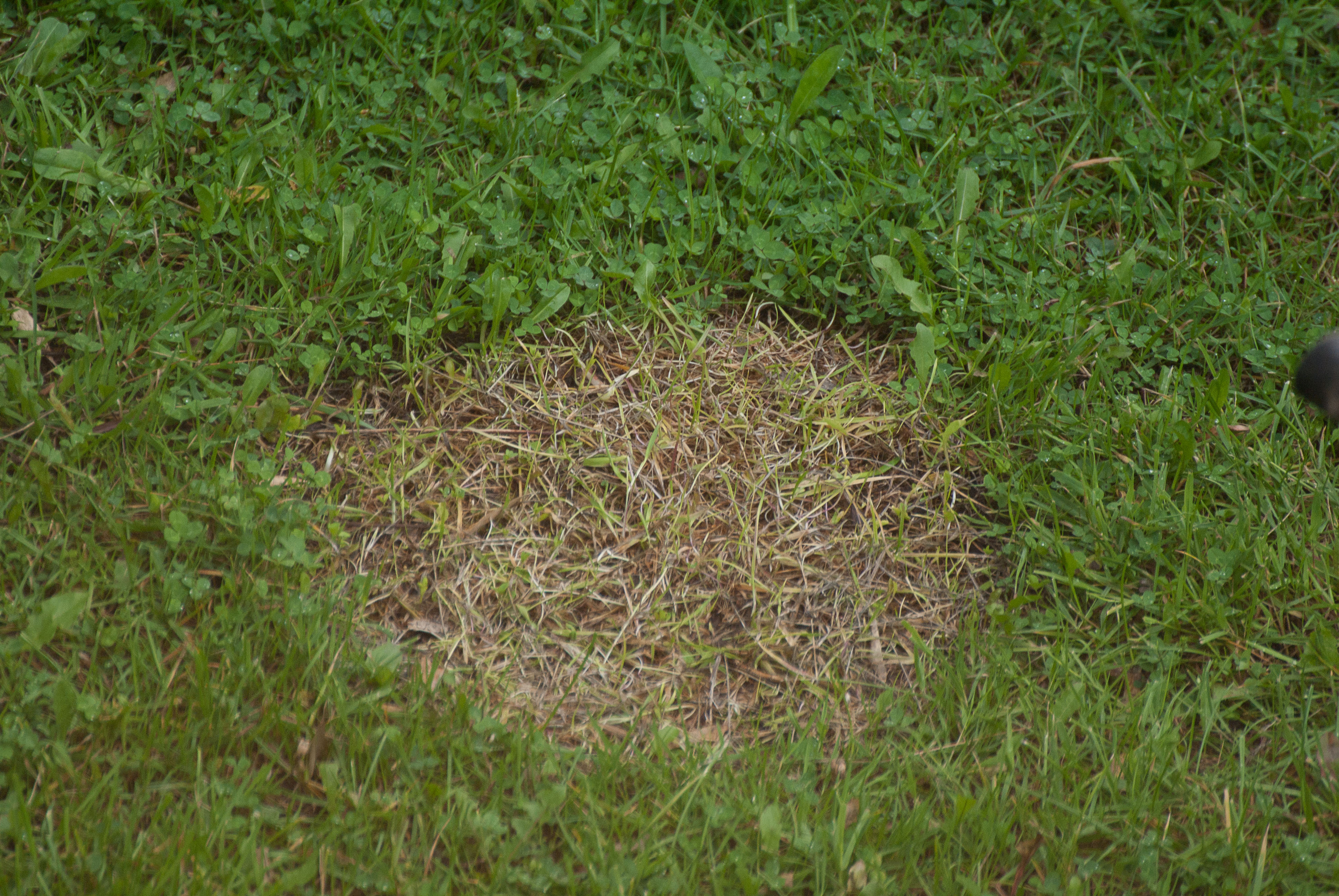
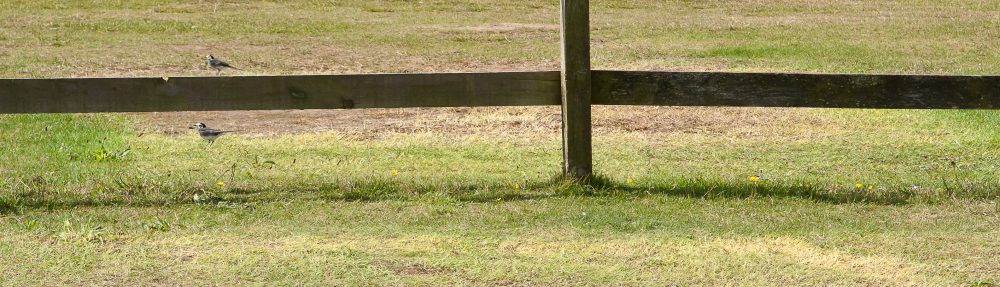
Around two years ago I became interested in how the marks on grass when it has been deprived of light are a kind of naturally occurring photography which, when an item is placed on it for a period of time and subsequently removed, create a silhouetted ‘image’ of that which has been placed there.

I began collecting images of this type of ‘photography’ when I came across it whilst out walking with my camera, whilst wondering what had previously been there to leave the image. Some large areas were indicative of a temporary structure of some sort, hinting at a gathering for an unknown occasion, whereas others were very small.
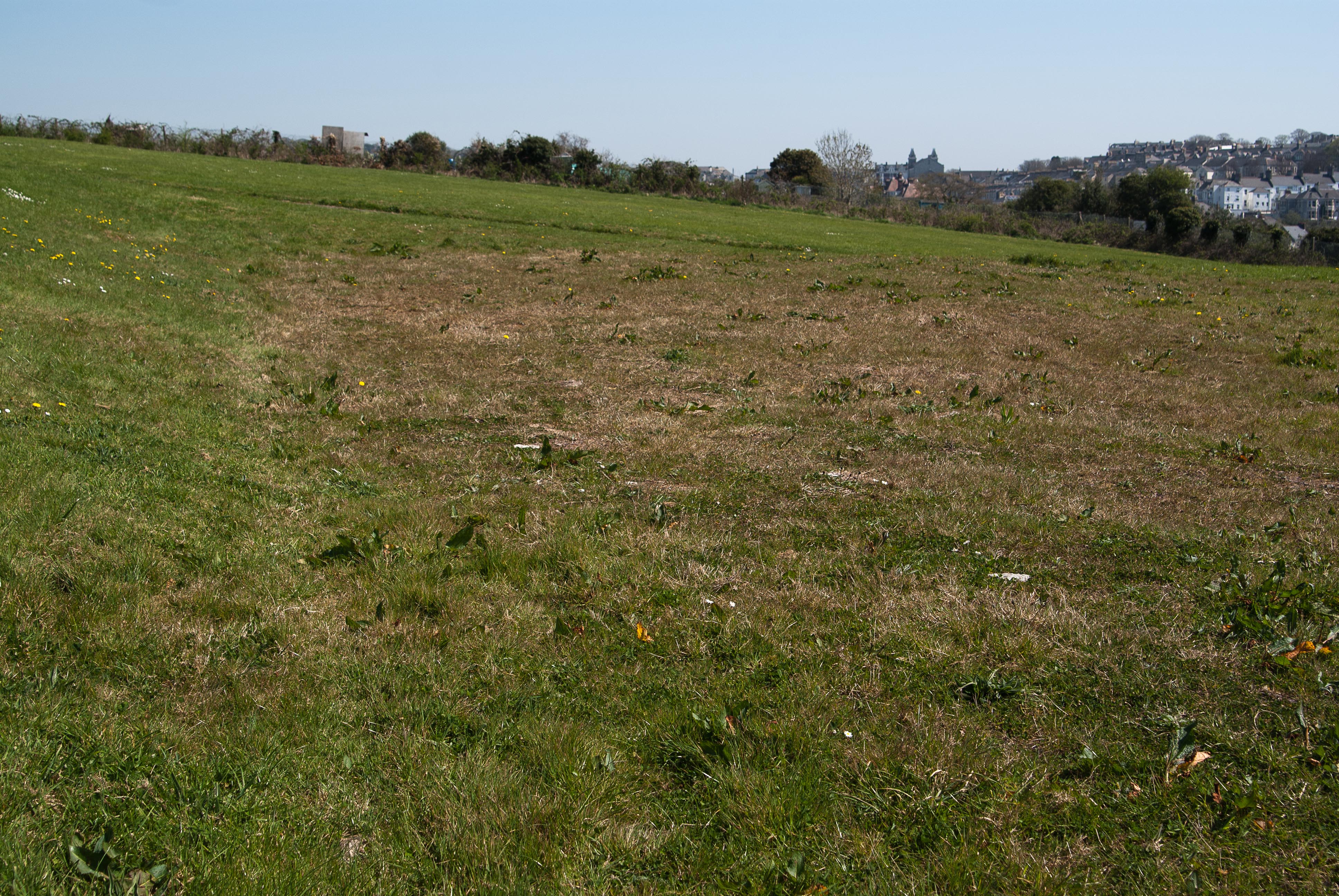
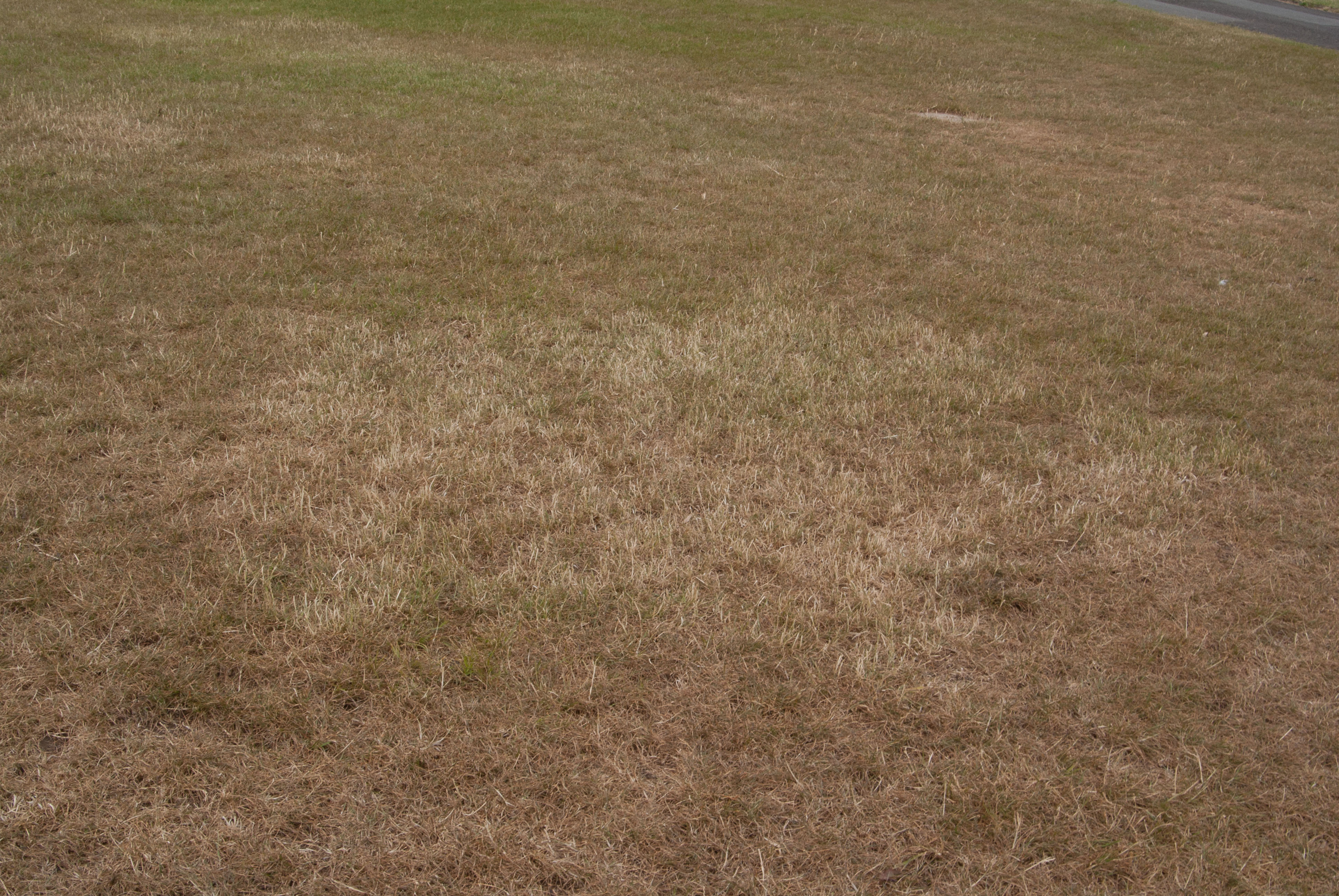
Inspired by artists challenging what constitutes photography such as Tom Lovelace, following on from my earlier work for this module using the sun to create cyanotypes and lumen prints, and also referencing my research on Land Art, I wanted to explore further these images that are made on the earth itself, which break through the limitations of photographic paper size boundaries.

I also bring to my work a personal interest in the family photo album, and particularly in the images we retake year after year in different forms, for example the holiday snap or the birthday party, and the idea that versions of these images are taken year after year, generation through generation. We are so familiar with these images that when we view someone else’s version, we can immediately imagine the scene beyond the boundaries of the shown image and subconsciously apply our own preconceptions and experience of the our imaginings. Thus it is so with the British caravan park; many people already have their own thoughts on what it is to holiday in this environment.

My project proposal is to combine the interests laid out above and explore how the images created by objects blocking natural light on grass create a new type of holiday photograph, that which hints at what has occurred at the particular site but leaves the viewer to imagine the scenes contained within that confined area of ground.
Exercise 4.5: Signifier – Signified

For this exercise we were asked to choose an advertisement with identifiable signs. This term comes from semiotics as discussed in the 1977 Roland Barthes essay Rhetoric of the Image. According to Barthes, the sign consists of a signifier and a signified, or, in other words, what is depicted and the message it connotates. There is also a second level of meaning, myth, which relates to the viewer’s existing contextual knowledge that contributes to their reading of the image.

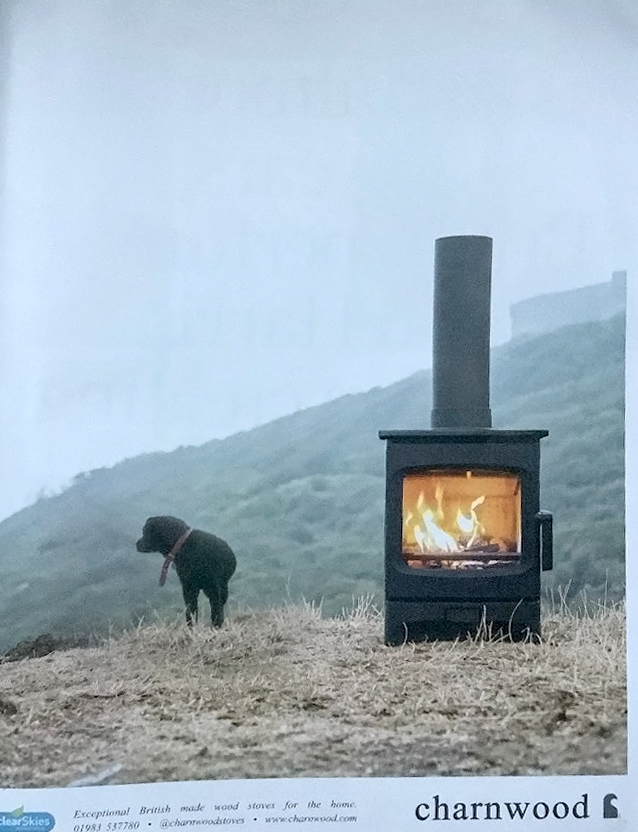
I chose an advert from the high-end interiors magazine Elle Decoration, noting that my preconceived assumption would be that the placement in this magazine aims the advert at home lovers with a middle to high income.

My interpretation of this advert is:

Dog collar: domesticated – home

Dog looking back: waiting for someone – country walks

White sky: cold day, British

Hill in background: walking, exertion

Brown grass in foreground: need wellies/ walking boots, exertion. Practical, not picturesque

Washed out colours in landscape: misty, chilly, inclement weather

Wood burner: cosy, home, warm

I have interpreted the advert as a contrast between a typical dog walk in Britain, that is to say, a bit chilly, not particularly picturesque, the type you would need stout boots for, and the cosiness of the domesticity and warmth that awaits by they burner once back home. it is interesting that there is very little text on this advert and none at all on the photograph; the image has been allowed to speak for itself.

Exercise 4.4: ‘Of Mother Nature and Marlboro Men’

In Deborah Bright’s 1985 essay Of Mother Nature and Marlboro Men she discusses how landscape photography plays a large part in creating cultural ideologies, whether the photographer intended it or not.

She explains how the American attitude towards ‘wilderness areas’ has long held religious overtones and how there was a conviction that garden spots ‘could elevate the aspirations and manners of the immigrants and workers who used them.’ Railroads vied for business by marketing the landscape that could be seen on their routes. With the increase in automobile travel came ‘planned roads and numbered scenic turnoffs, sited and designed to conform to conventional pictorial standards.’ Photography became the key method of illustration for merchandising the business of landscape scenery, and these images became the established standards against which future pictorial representations of these areas would be compared.

The public appetite for spectacular scenery was whetted by the introduction of cinema. The Western played a particular role in masculinising the western landscape, with cowboys and rugged scenery.

Even when landscape photography gets political, the art market has influenced the production of inoffensive, marketable images such as John Pfahl’s beautiful images of power plants in his series Power Places.. In contrast, Lisa Lewnz’s Three Mile Island Calendar sidesteps the high price art market and displays gritty images of the power plant alongside key dates in the ill-fated power plant’s history.

Bright goes on to suggest that women might further address today’s landscape issues by documenting the so-called ‘female’ spaces that have been primarily designed by men; ‘the home, beauty salon, shopping mall, etc.’ Women have consistently been ignored by the major museums when arranging exhibitions of landscape photography. Women, instead are seen as nature itself, inseparable from it, whereas men can ‘act upon nature and bend it to their will’.

Her final paragraphs are a rallying cry to photographers to recognise the their own ideological assumptions and consider whether we need to to move beyond the ‘restrictive terms’ of the art market and galleries, to question traditional assumptions of nature and investigate our accepted social reality.

Although the essay is now over 35 years old, I think many of Bright’s points still stand: whilst much progress has been made in getting women’s voices heard in landscape photography, names such as Helen Sear and Dafna Talmor as still very much known only in art circles. The call to landscape photographers to make more work questioning society’s assumptions on landscape and depicting reality are even more pressing in today’s climate crisis with an uncertain future ahead for humankind.

Exercise 4.3: A Subjective Voice

For this exercise we were asked to consider how our own subjective attitudes toward the landscape forms our personal voice. Looking through the work I have carried out for this module, the links with my own perspective on landscape were quite clear to me.

I grew up in the 1970s in rural Lincolnshire and fondly recall being allowed to play in the woods with my sister and cousins, though I found it a little scary, particularly on one particular occasion when we spotted a bra hanging from a tree branch. We also used to play around an old scout hut, and down a lane close to our house their was a rickety farm shed full of large machinery; the kind of places I certainly wouldn’t let my own children roam alone today, even though statistically I don’t imagine them to be in any greater danger than I was. This definitely fed into my ideas for assignment one on the sublime; to me, landscape is intrinsically linked to our inner feelings and no doubt this is why I am drawn to the areas where children play today. I am also interested in family history and revisiting the locations of historic family outings, probably driven by my mother’s death when she was quite young and the family photograph albums of hers I have inherited.

The environment is also an important factor for me, and I think this feeds into my interest in how we as humans interact with the landscape, but also how we react to landscape as well. With the landscape around us changing dramatically as a direct consequence of human actions this is certainly an area that cannot be ignored by the landscape photographer, even if her work is not directly related to environmental concerns.

Exercise 4.1: Critical Review proposal

Due to unforeseen circumstances, I have had to switch tutor. As part of our online introductory we discussed my critical review proposal.

During this module I have become interested in considering how landscape photographers can move beyond mere observation of the land and become more deeply immersed in what is around us. Land Art moves beyond representation as the artists strive to work with the land, often nature, rather than being a step further removed, looking at the land. Land Artists also rely heavily on photography to bring their work to a wider audience and engage with the art market.

My proposal for my critical review is to consider the role of photography in Land Art, both in practical and conceptual terms; its purpose, meaning and validity as a work of art in its own right, and with considerations around the term ‘landscape’. I will take into consideration the intentions of the Land Artist in making such photographs and how these photographs sit within and alongside the wider landscape photography genre.