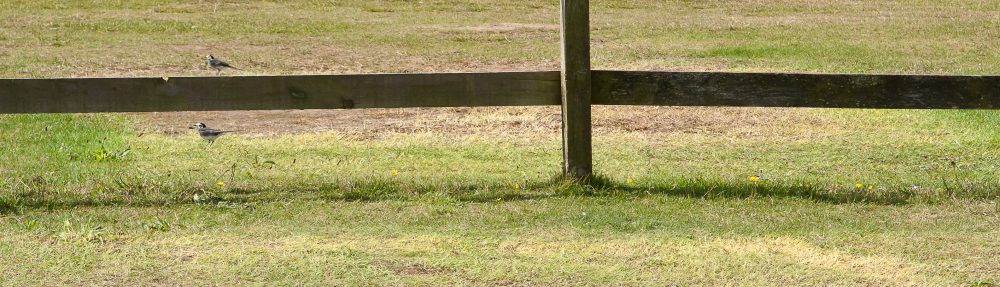
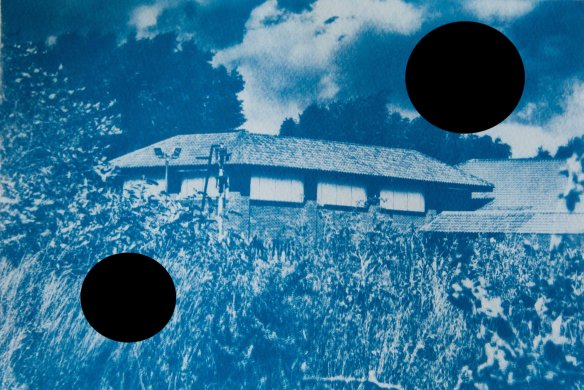
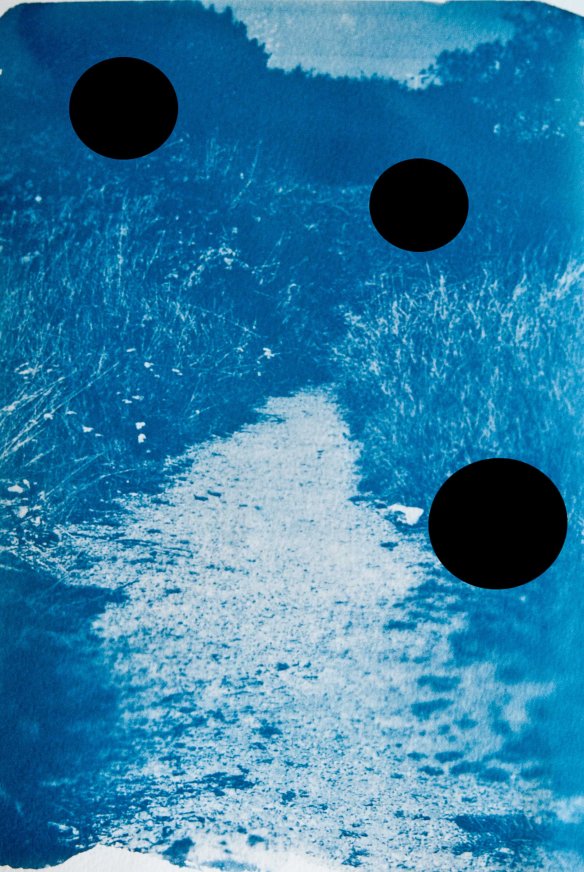
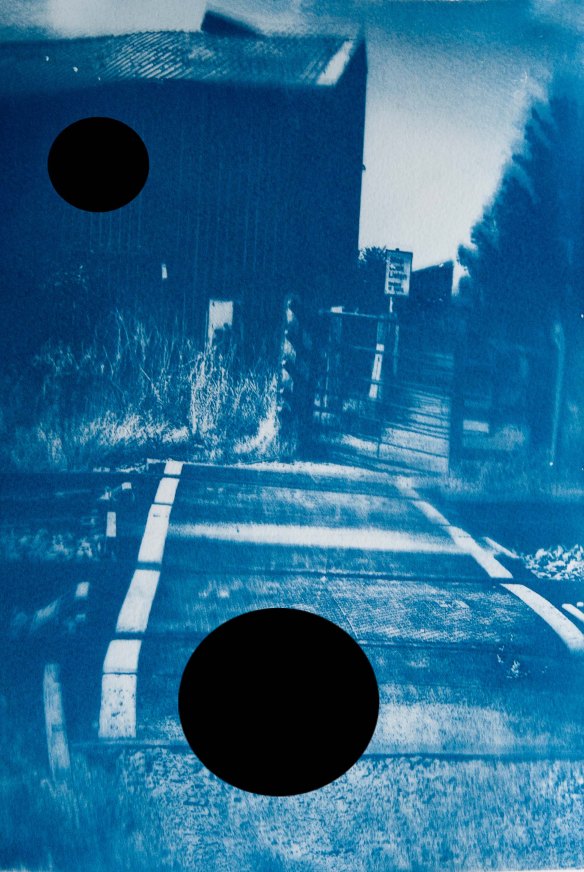
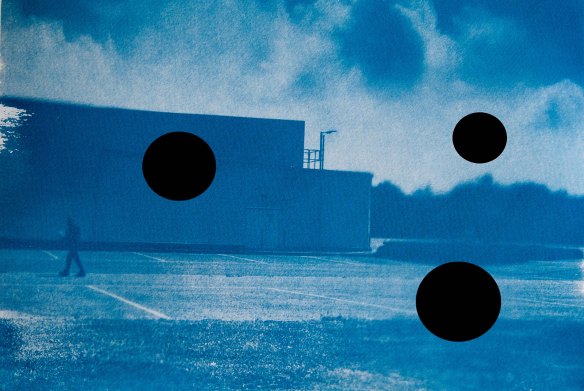
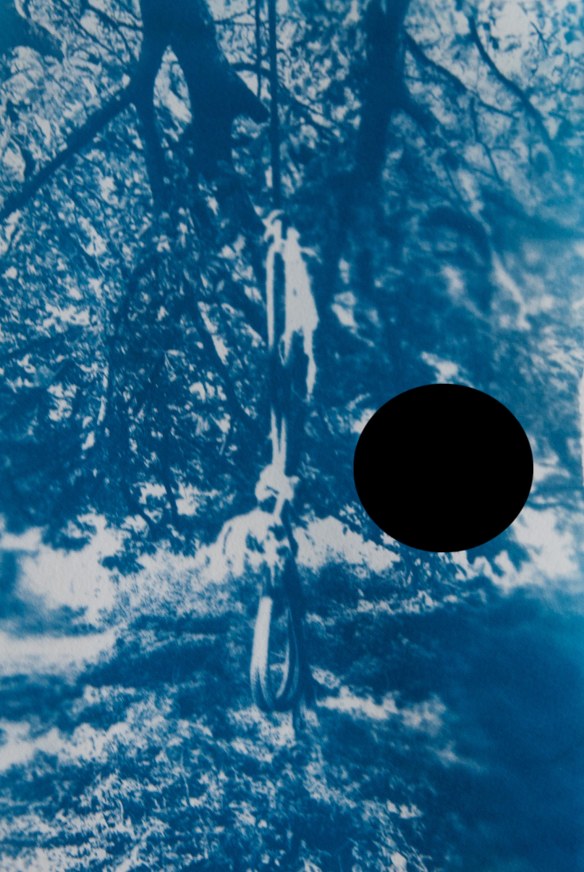
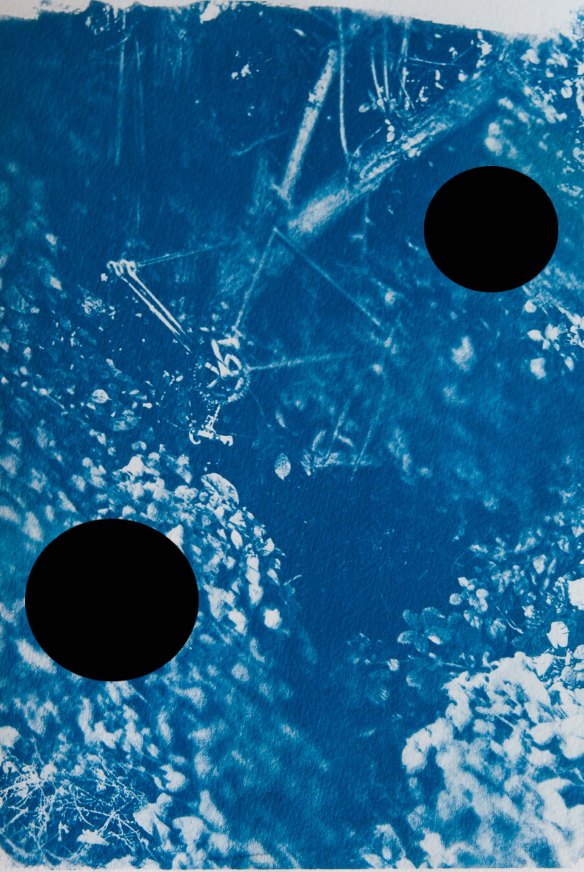
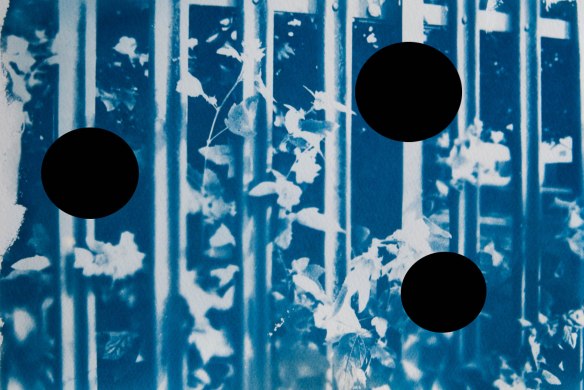
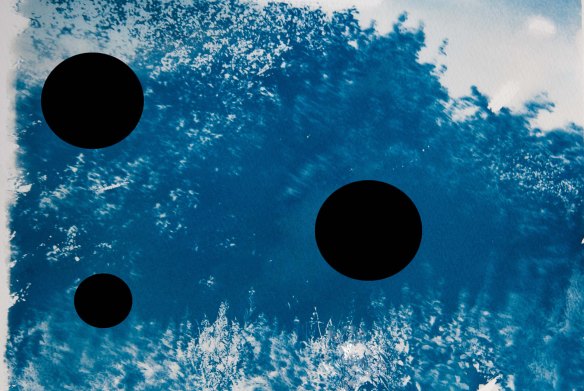
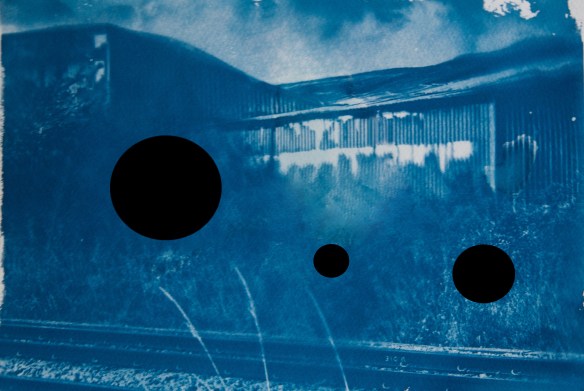
I take a daily walk during my lunch break so for this exercise I decided to record what I notice when taking this familiar path. The process was not pre-mediated so the photographs are of random objects and scenes that caught my eye.






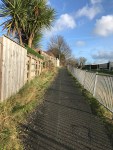

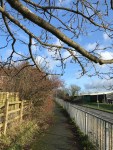


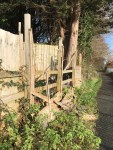
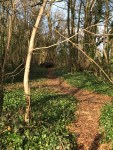


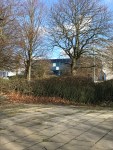
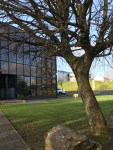



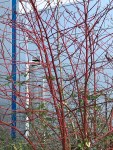



Looking over the result, I think the common themes that thread through these images are humankind’s impact on nature and pattern and colour.
For the second part of this exercise I watched the film Mango Dreams. The film follows a Hindu doctor, Amit Singh, as he is diagnosed with dementia and takes a road trip with a Muslim rickshaw driver, Salim, to revisit the locations of the major milestones in his life before he forgets the memories forever.
At the beginning of the film we see Dr. Singh as a young child walking down a path in a sepia tinted clip interspersed with a modern day adult Singh running down a path; the path is used as the connection between the two scenes, acting as a metaphor for the passing of time. Shortly after we see Singh and his friend watching a television history documentary on the partition of India; scenes of thousands of refugees walking and travelling uses the road to signify mass migration and displacement.
After his dementia diagnosis, Dr. Sing’s son arrives from America, wanting to move him into a nursing home until he can be moved to America. The two men fight and Dr. Singh walks out. We see him walking down dusty streets; the road has now come to signify his escape and freedom.
Dr. Singh meets rickshaw driver Salim who reveals the doctor saved his son’s life some years ago and would not accept any payment and offers to take him anywhere he wants to go. Dr. Sing answers ‘home’; he wants to return to his childhood home.
The two embark on their journey, and the road becomes a metaphor for the development of their relationship. There are many arguments between the two and we learn that Salim hates Hindus because his wife had been raped and burned to death by Hindu rioters in Gujarat. Dr. Singh talks of his family who were murdered by Muslims, and of the personal responsibility he feels for the death of his brother. We see the road develop from dusty track to tarmac roads to multi-lane highway as the pair visit sites such as Dr. Singh’s college where he studied to become a doctor and the orphanage where he met his future wife. The locations are in reverse chronological order in Dr. Singh’s lifetime; the road follows a timeline backwards through his life.
Eventually, Dr. Singh’s son catches up with him and after some discussion and argument, the two embark on the final leg of the journey on foot, with Salim in his rickshaw following behind. The road has become a simple dirt track again as the trio journey to Dr. Singh’s birthplace and the location of his family’s murders.
The road performs several aids to the storyline in this film; as well as the literal interpretation of the journey, we see it as a link to time. At the same time as Dr. Singh is moving forward on his journey, he is moving backwards to relive his past. We also see scenes of mass displacement via the images of refugees travelling along roads and this links to Dr. Singh’s physical and mental displacement from his childhood and his quest to reconnect with his memories. The road also follows the thread of the relationship between Dr. Singh and Salim as they slowly cast aside their preconceptions of different religions and become close friends over the course of the long journey.















 Rhonda's Landscape blog