Anselm Kiefer is a German painter, sculptor and photographer focusing on mixed media methods. His landscapes address themes incorporating events from German history such as the Holocaust and Nazi rule.
His work is visceral, unflinching and raw; the antithesis of the Picturesque. His paintings are almost monotone, deeply textural and semi-abstract, the identification of a landscape sometimes only possible through a positioning of lines.
The Milky Way
Throughout his work we see evidence of destruction: churned, furrowed earth; black, billowing smoke; ruined wastelands; gritty textures; and physical deterioration of the artwork. His photographic works are sometimes from his own images, sometimes appropriated and doctored, often allowed to deteriorate almost beyond recognition. The photographs were the first of Kiefer’s works I discovered and, without knowing anything about him, I was immediately reminded of wartime landscapes, of trenches, rutted earth and destruction as well as the passage of time. It is impossible to view these images without some sort of response on a psychological level, even without knowing what they represent.
This book was recommended to me by my original tutor for this course, Andrew Langford. It explores the work and practices of five artists working with camera-less photography and presents a brief history of the methods of working within this genre, from William Henry Fox Talbot to the modern day via the the likes of Man Ray and Frederick Sommer.
The techniques featured include cyanotypes, photo grams, chemical grams and dye destruction prints. What strikes me in particular about each of these methods is that the process is as much a part of the work as the finished piece itself, much like some of the other practitioners I have researched earlier in the course, particularly in Land Art. There is very much a sense of performance in the life-sized human photograms by Floris Neusüss, for instance.
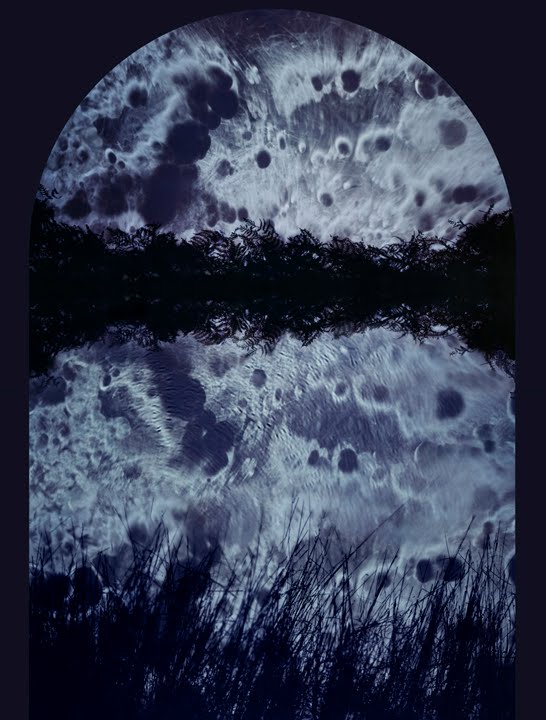
I was particularly interested in the work of Susan Derges. Based in Dartmoor, she spends time in the field and in her studio creating ethereal landscapes that feature plant photograms, images taken by placing photographic paper in the River Taw at night and creating an image with flashlight. The result is a sublime collection of landscapes that seem not quite real, but equally not completely fictional. In her series Arch, she depicts the four seasons, each framed by a black arch with a silhouetted foreground, giving the viewer the impression of looking through to a new space, like some magical secret garden.
Hans Haacke is a German-born artist currently residing in New York City. His work is frequently a commentary on social, political and economic systems, such as his work highlighting GENCOR’s treatment of its on strike gold and coal miners, where they were hit with tear gas, firearms and dogs, evicted from their quarters, and in many cases fired from their jobs. Haacke’s response was to create a corporate-looking display that appears to be a display from a trade show or some high profile event which, on closer inspection, depicts the affected black workers and tells their story.
He also makes commentary on the art world with work that directly references the likes of Duchamp and Magritte, particularly referencing Duchamp ‘ready-mades’. Fully aware that the ready-makes are now revered objects in their own right, Haacke also references Duchamp’s focus on the power of context and the way he upended universal assumptions.
I am particularly interested in Haacke’s work from the 1960s and early 1970s where he brought different plants into the gallery environment. I used grass as a photographic receptor for Assignment five and am considering ways in which the concept could be developed further. Haacke was interested in plants as a way of exploring unregulated growth and in how artworks can evolve and grow naturally. The work is allowed to grow its own way independent of the artist and gives the art a random, constantly shifting factor, thus marking the passage of time. This is an area that appeals to me and is something I would like to explore in my future work.
This is one of the books on the recommended reading list for the course and was an engaging and interesting read. There are many points to take away from this book and I am sure I will return to it as I progress with my studies.
I found her discussion on space and place particularly thought provoking, and the concept of landscape resulting from human action is one I hadn’t previously considered. She says that ‘Assumptions may …. be made about social uses of designed places (parks, gardens, picnic spots…). Plans are predicated on imagining types of land use, landscape and social environment that might be constructed. Whether industrial, agricultural or domestic, urban, suburban or rural, space is (trans-)formed into place through such interventions.’ This is interesting to me when considering the caravan park which was the subject of my Assignment five,/especially as this is a very specific space which has a unique pre-determined purpose.
Wells herself directly discusses the places we holiday: ‘Current emphasis on rural ‘boutique’ hotels, country cottage holidays, caravan parks and campsites, as well as the expanding network of Center Parcs, testifies to a continuation of a pastoral idyll.’ Like Wells, living in Devon, I see examples of this idealisation frequently, most recently in a company selling coastal air in a bottle for £75 (and labelling it Cornish when it is actually from Devon, Cornwall presumably being more marketable).
Wells steers away from the photographic canon to include lesser known practitioners, including a chapter on Scandinavia, and also includes Land Art as within the photographic remit which I found relevant to my critical essay. Overall, I found this a very worthwhile read that will no doubt continue to be relevant as I move onto Level 3.
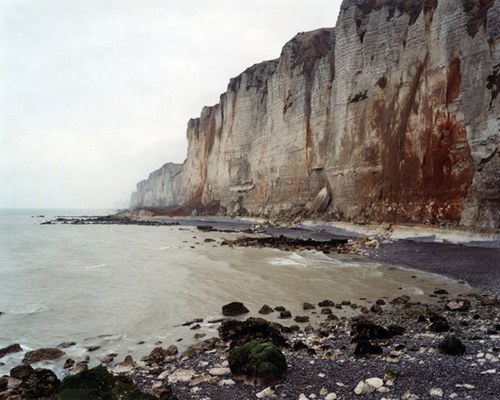
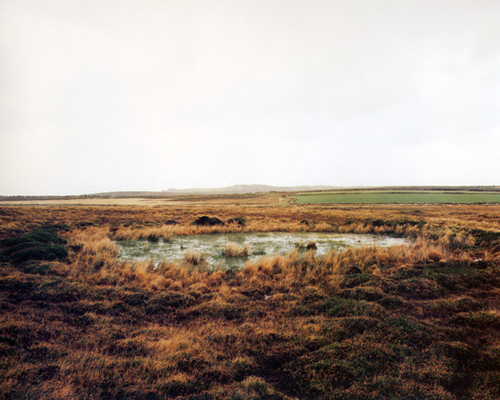
Jem Southam is a British landscape photographer whose works largely focuses around the theme of change at a certain location, sometimes over many years. His work seems to me to possess a quiet calmness with colours reminiscent of Northern European painters such as Casper Friedrich.
Hi work contains a high level of detail that allows the viewer to contemplate what may have happened; a rockfall, a strange indentation; there is a sense of the sublime but his work also invites contemplation of the changes that have occurred between depictions of the same location.
Southam is of particular interest to me because of his investigations into humankind’s relationship with the landscape, both in terms of our impact through habitation and the actions we take in the environment, but also there is a strong sense of the psychological impact the landscape has on us as people, yet he does not feature people in his work.
His work is also particularly relevant to me because he is also based in the South West, and his work is a prime example of how it is not necessary to travel far to achieve interesting, accomplished photography work.
This assignment requires a series of images that responds to the idea of ‘transitions’ within the landscape and that records the changes that a part of the landscape undergoes over an extended period of time.
Living in Devon, a holiday destination, I am very conscious of the region where I live being considered an area of beauty, and of visitors thinking of the South West in terms of picture postcard, typically picturesque images. Landscape photographers are increasingly aware of the other ‘side’ of holiday destinations; for example, human poverty existing in close proximity to a much-visited attraction. However, the reality is often not as clear cut. Visitors do not often think about the existence of the attractions themselves outside of the holiday season, many of which will struggle financially if the season is beset by inclement weather or a rise in popularity of a different destination.
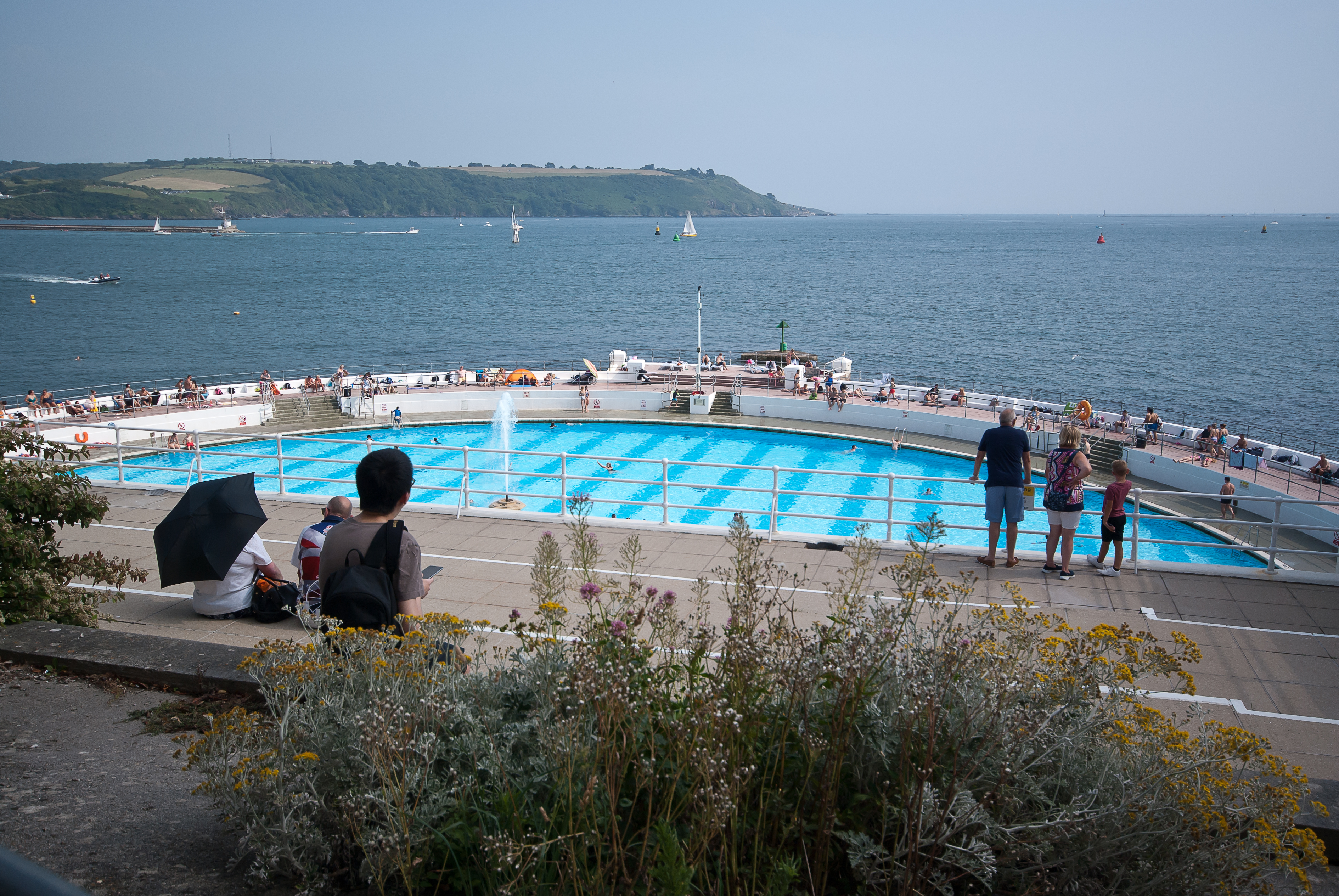
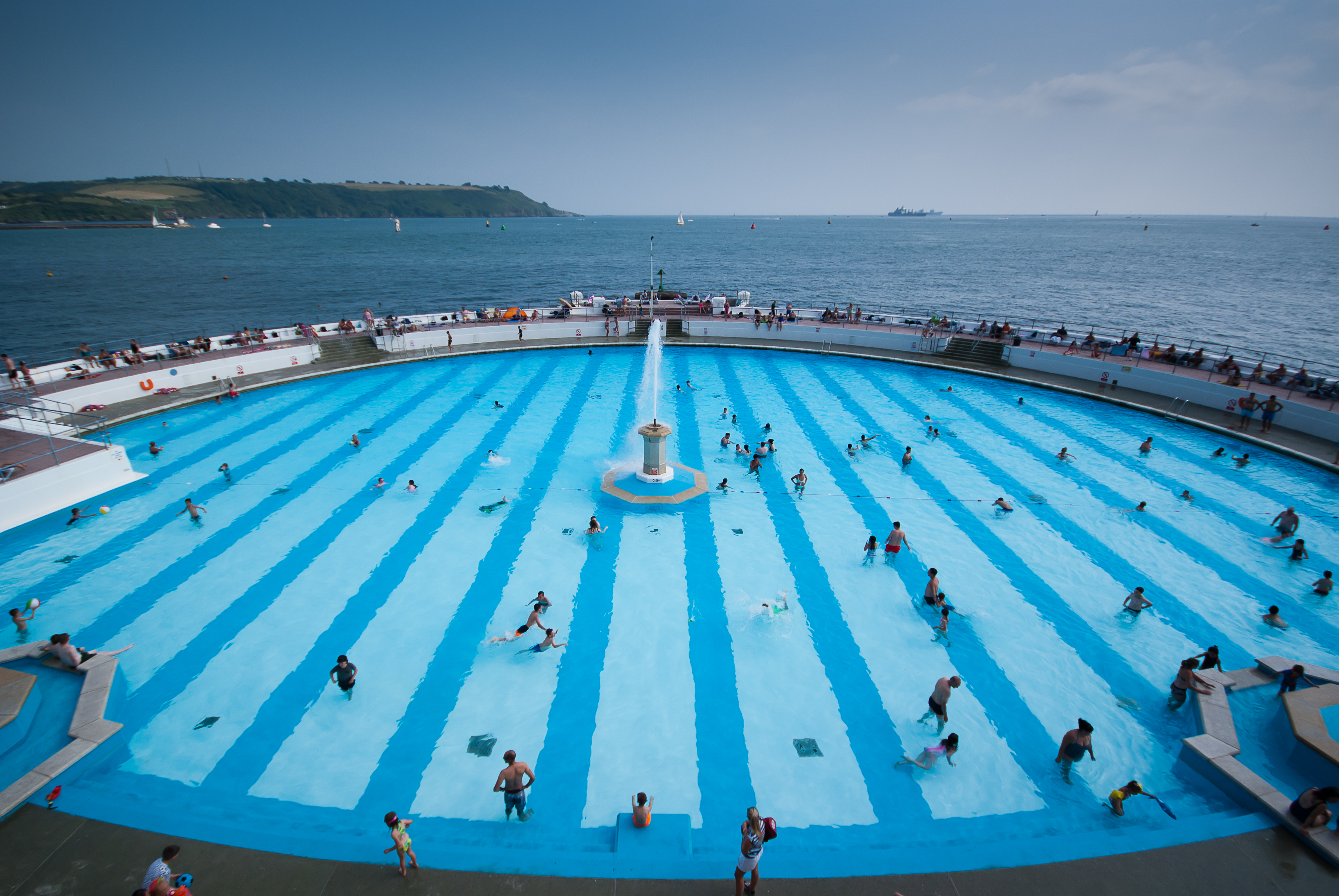
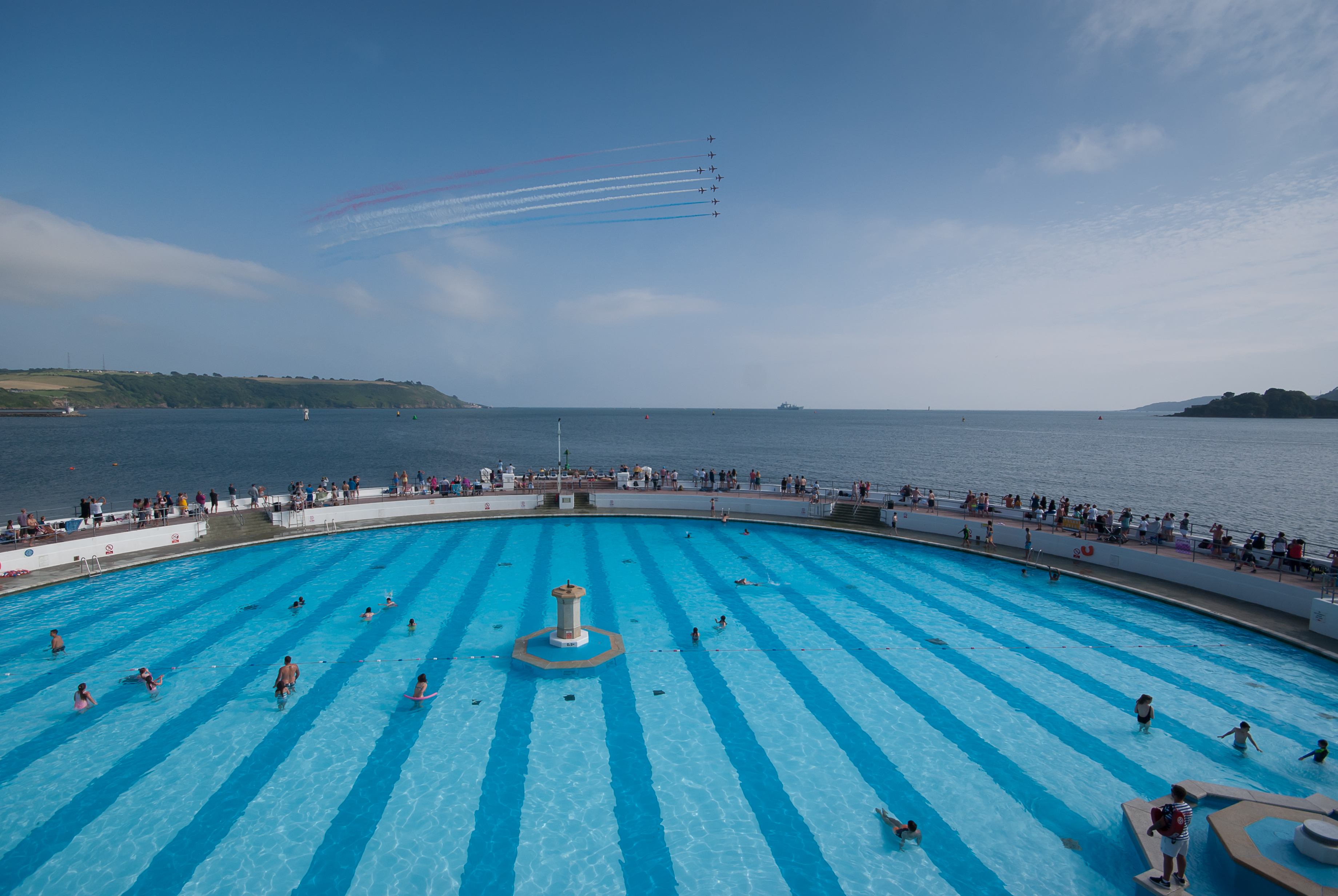
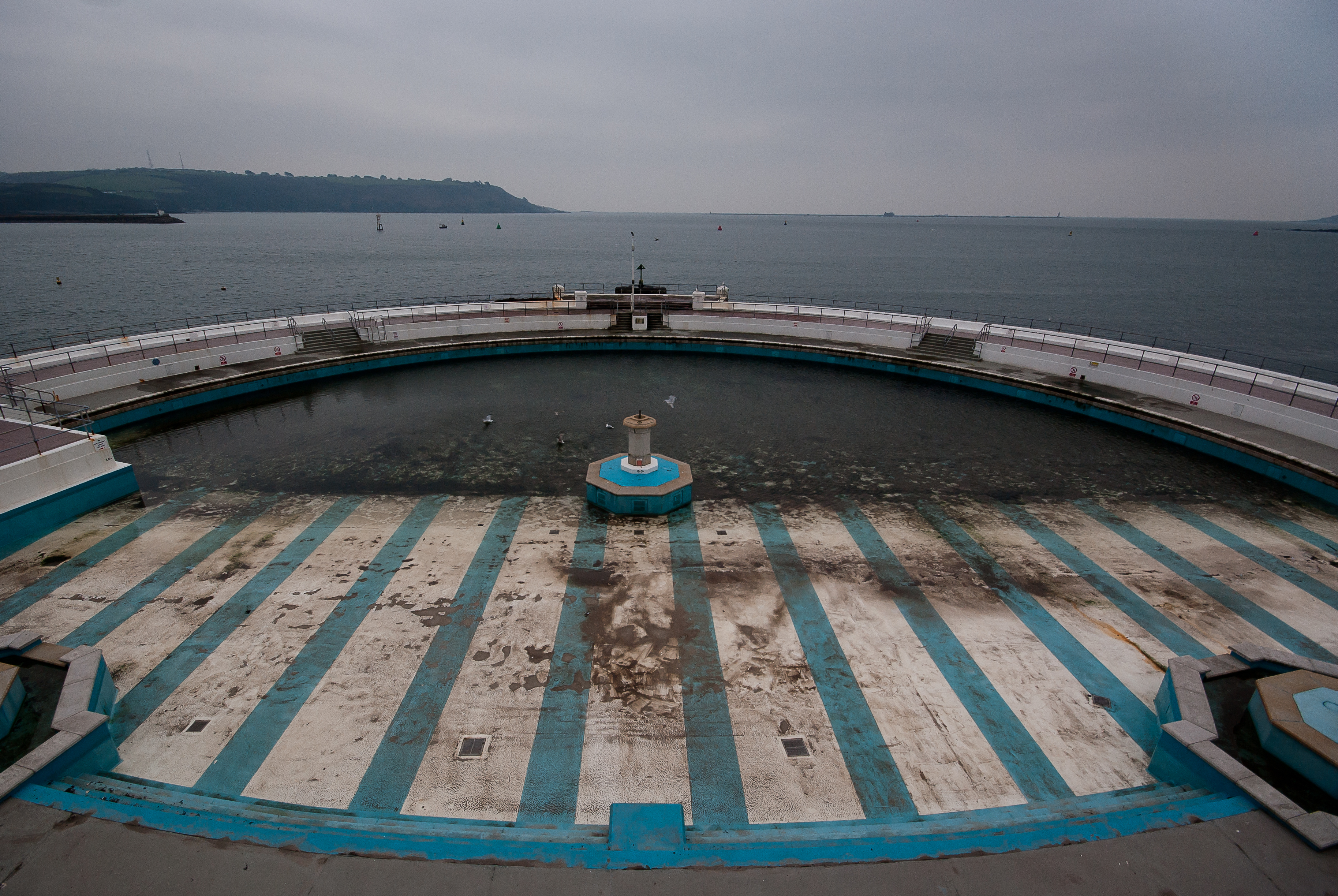
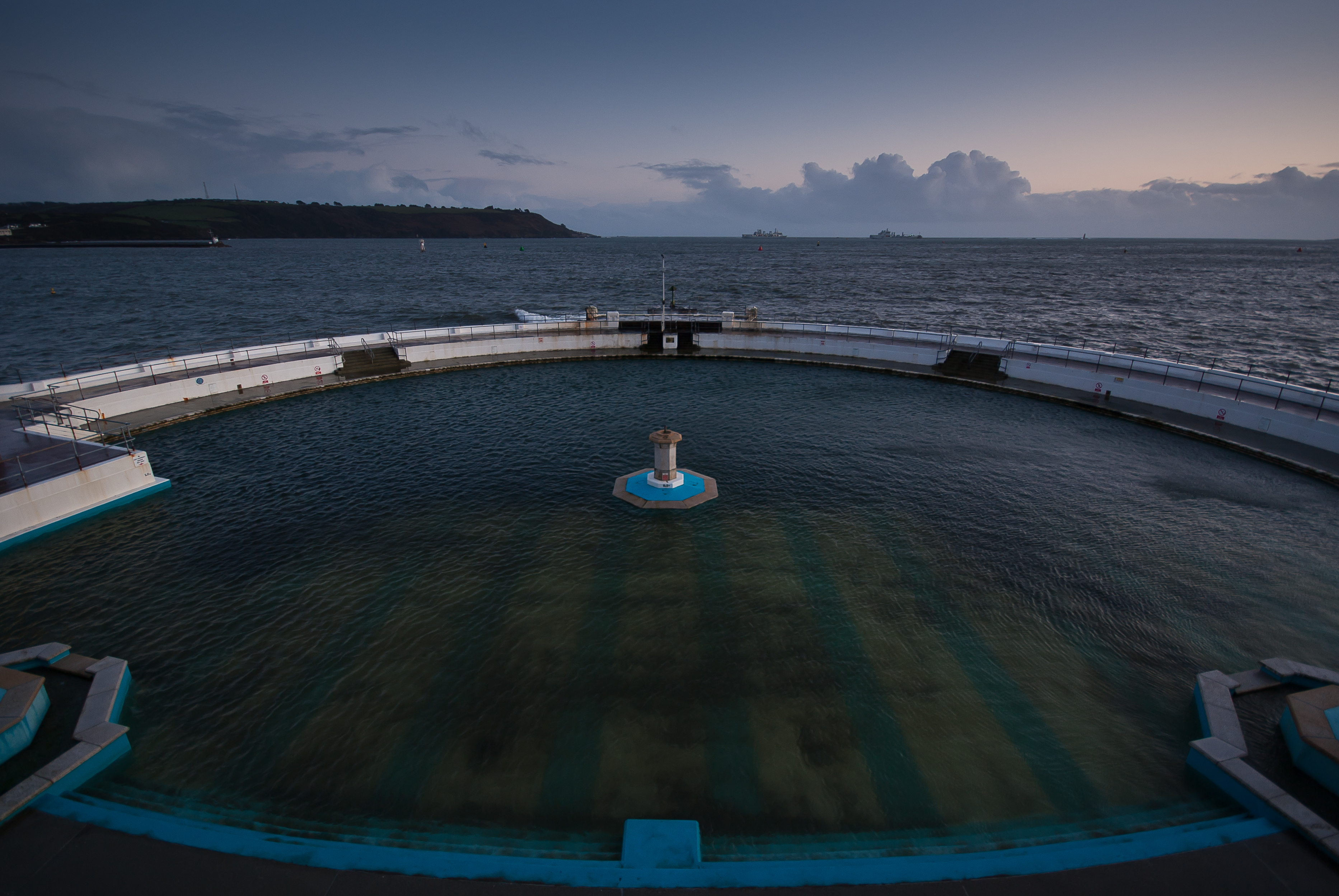
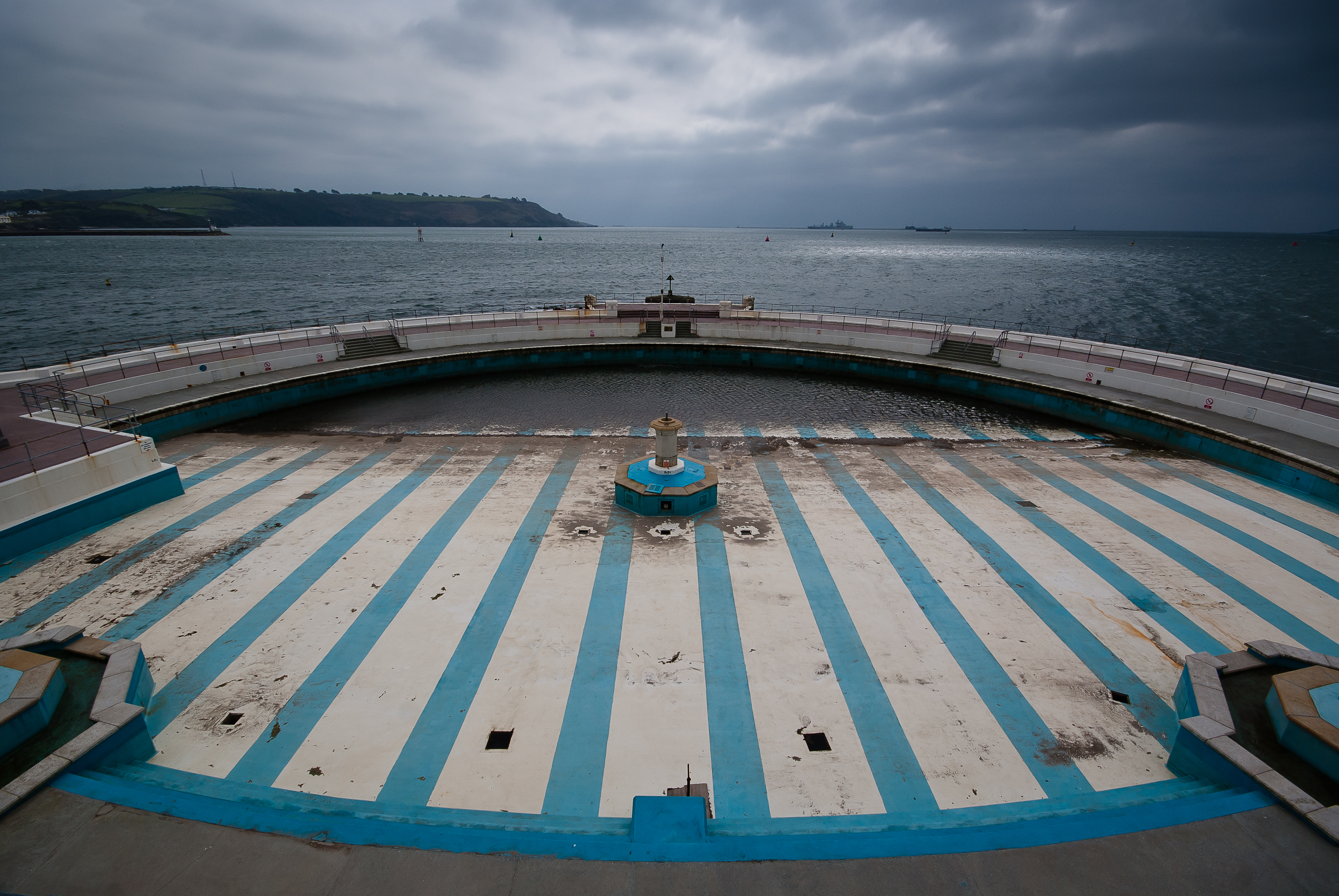
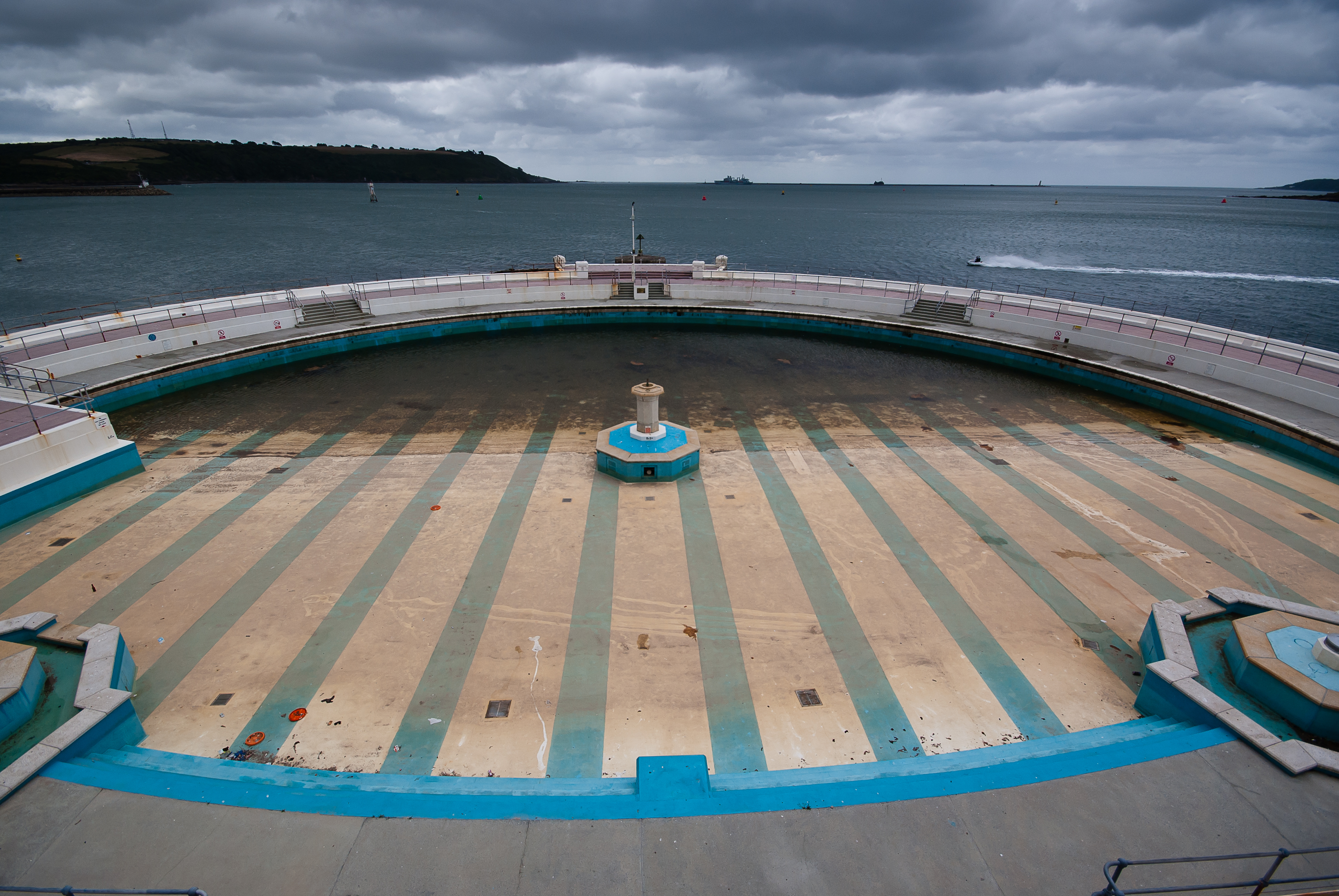
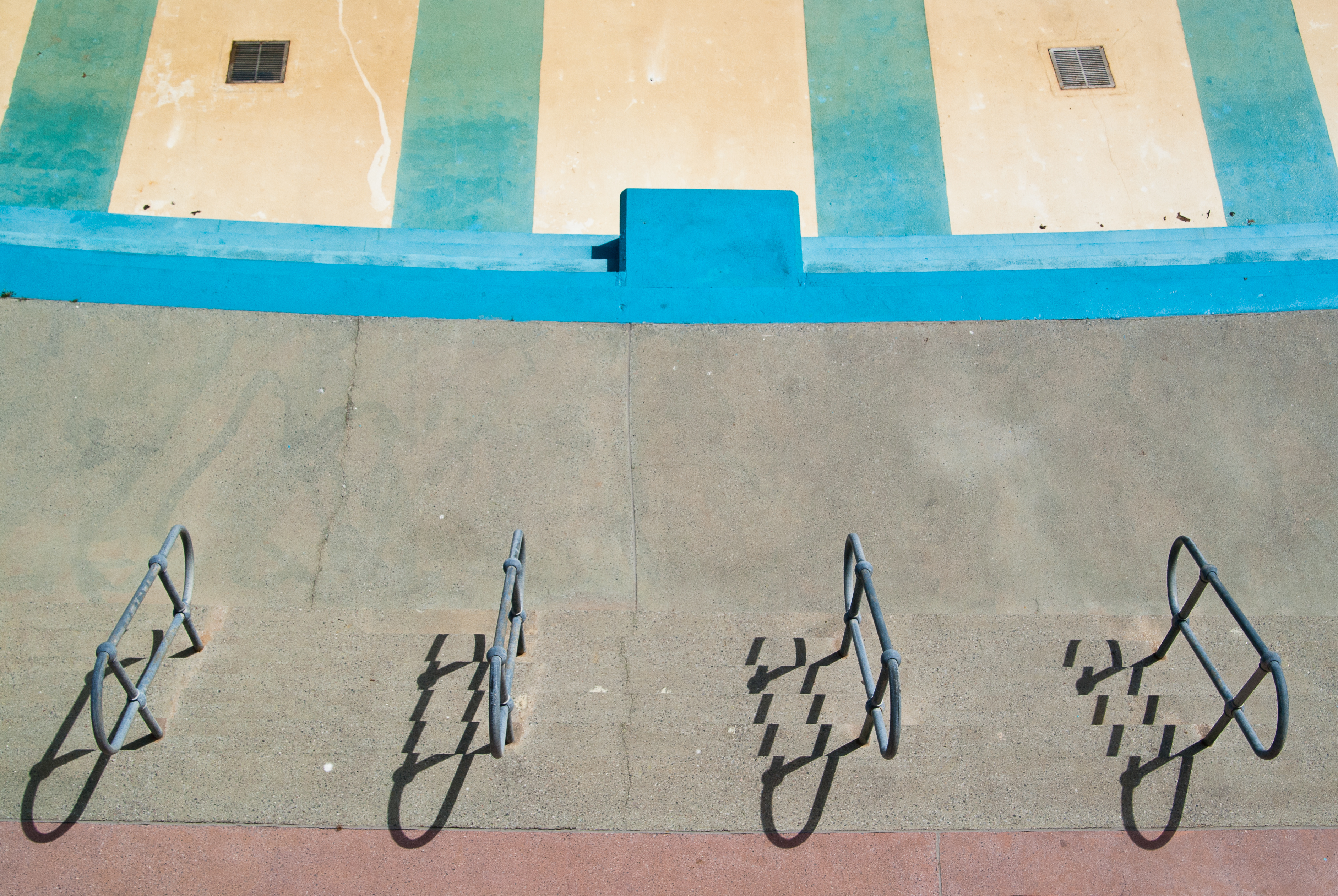
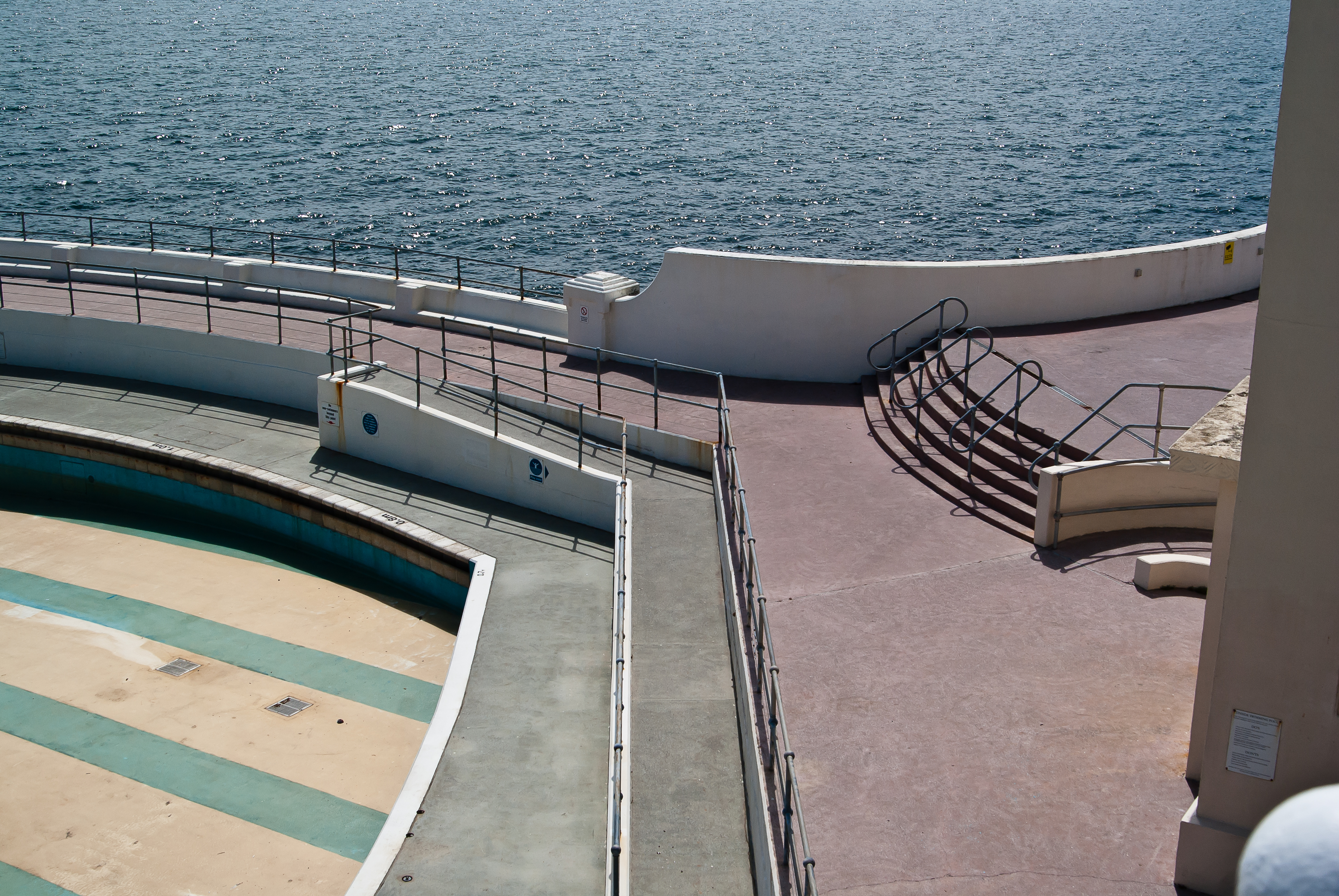
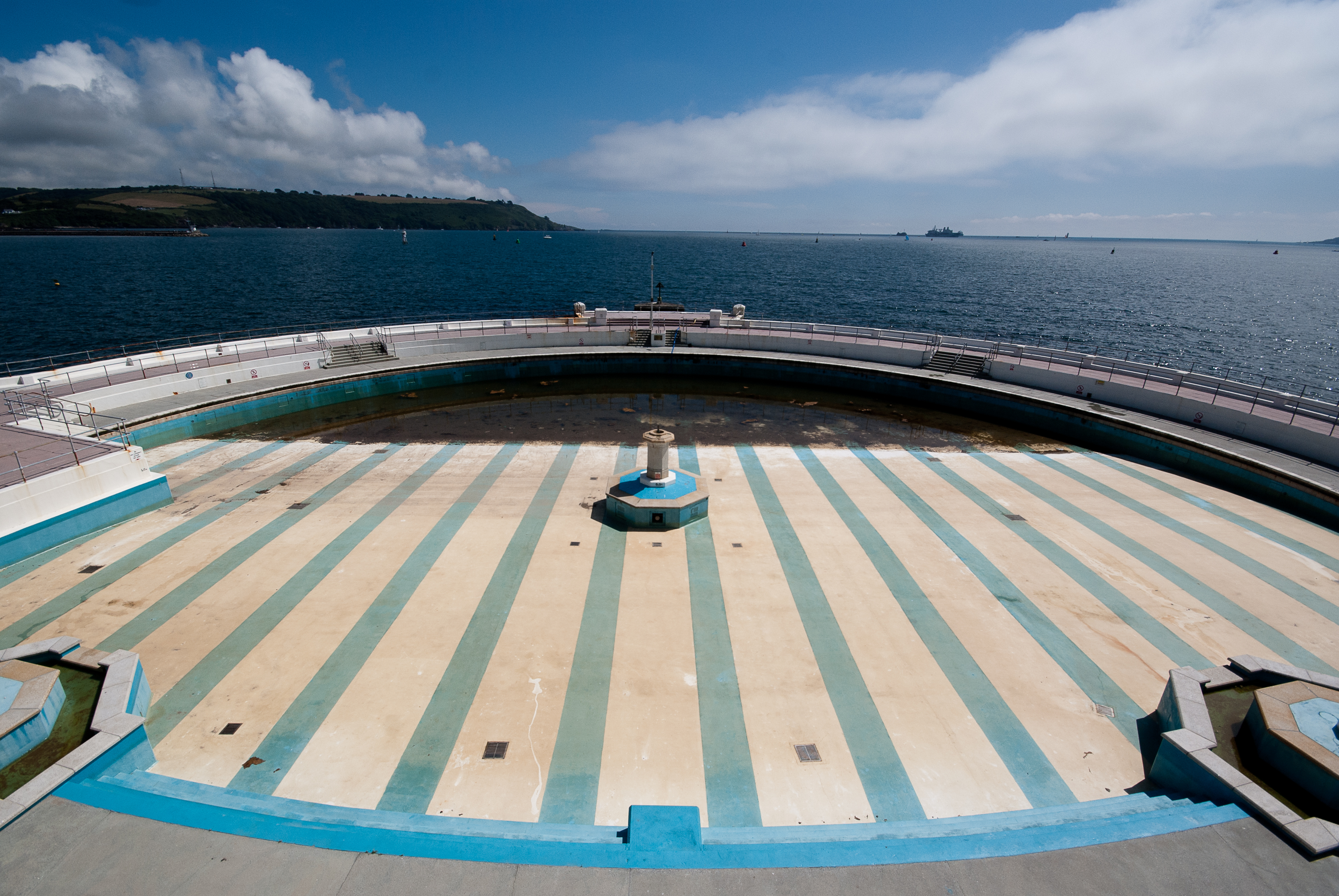
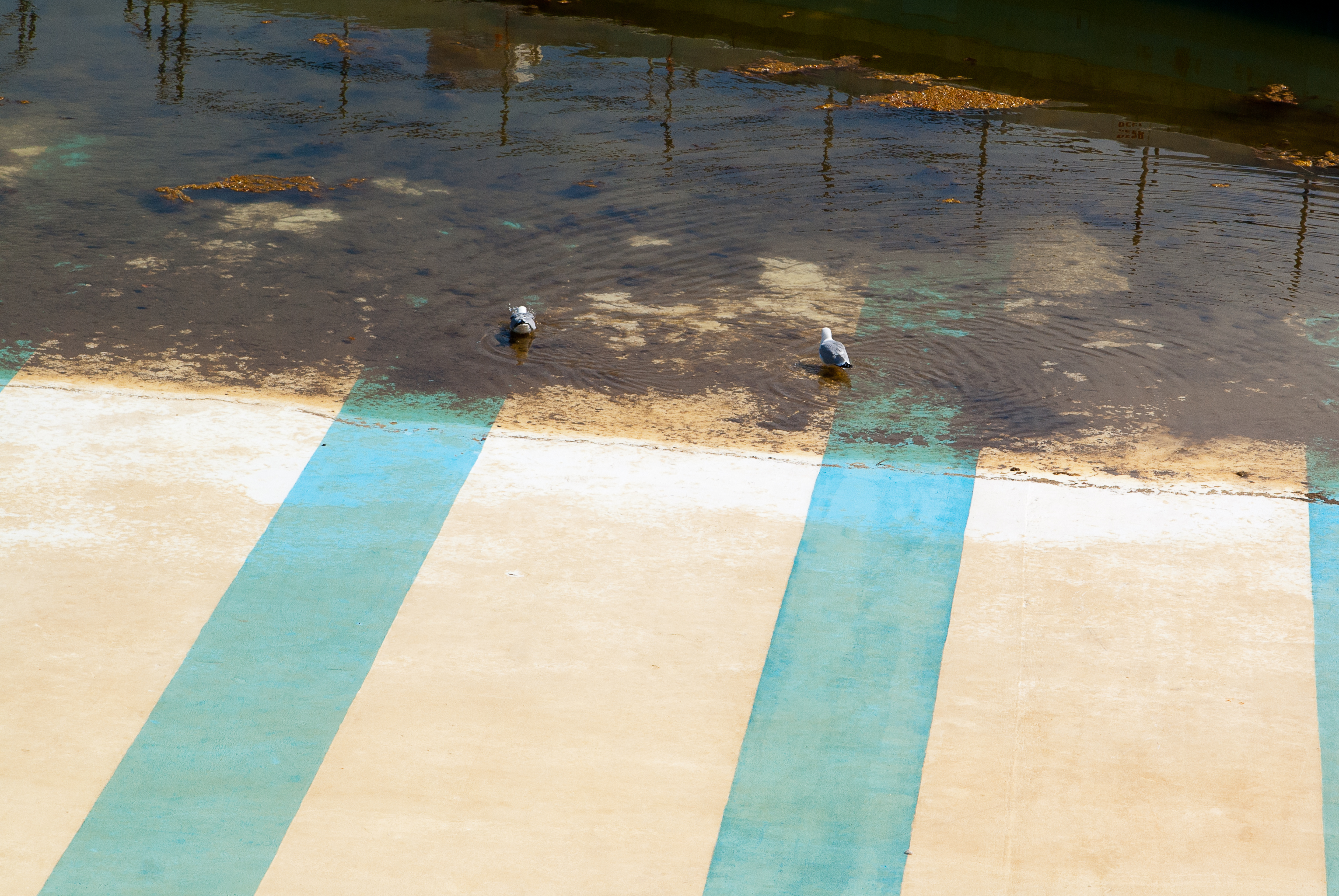
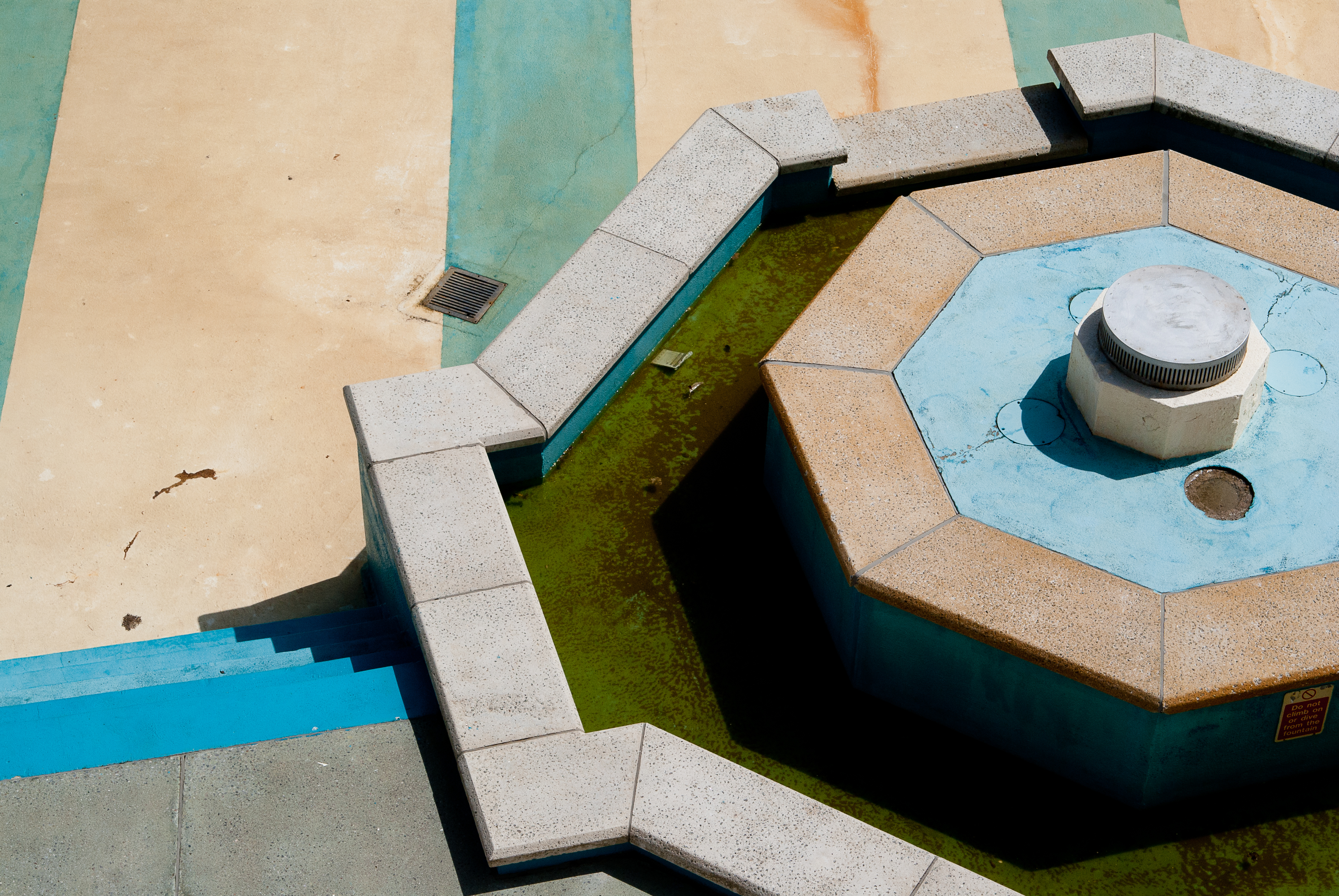
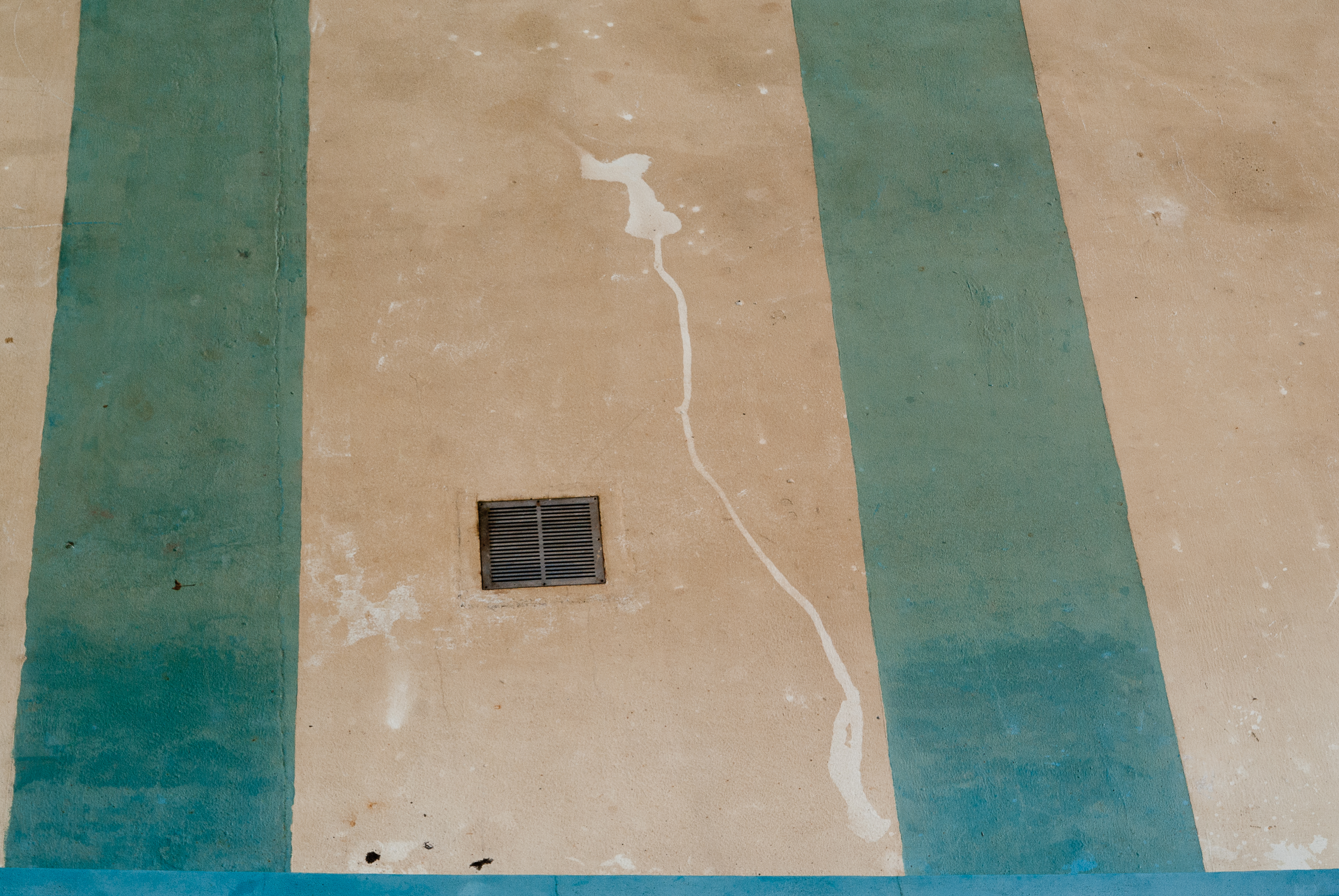
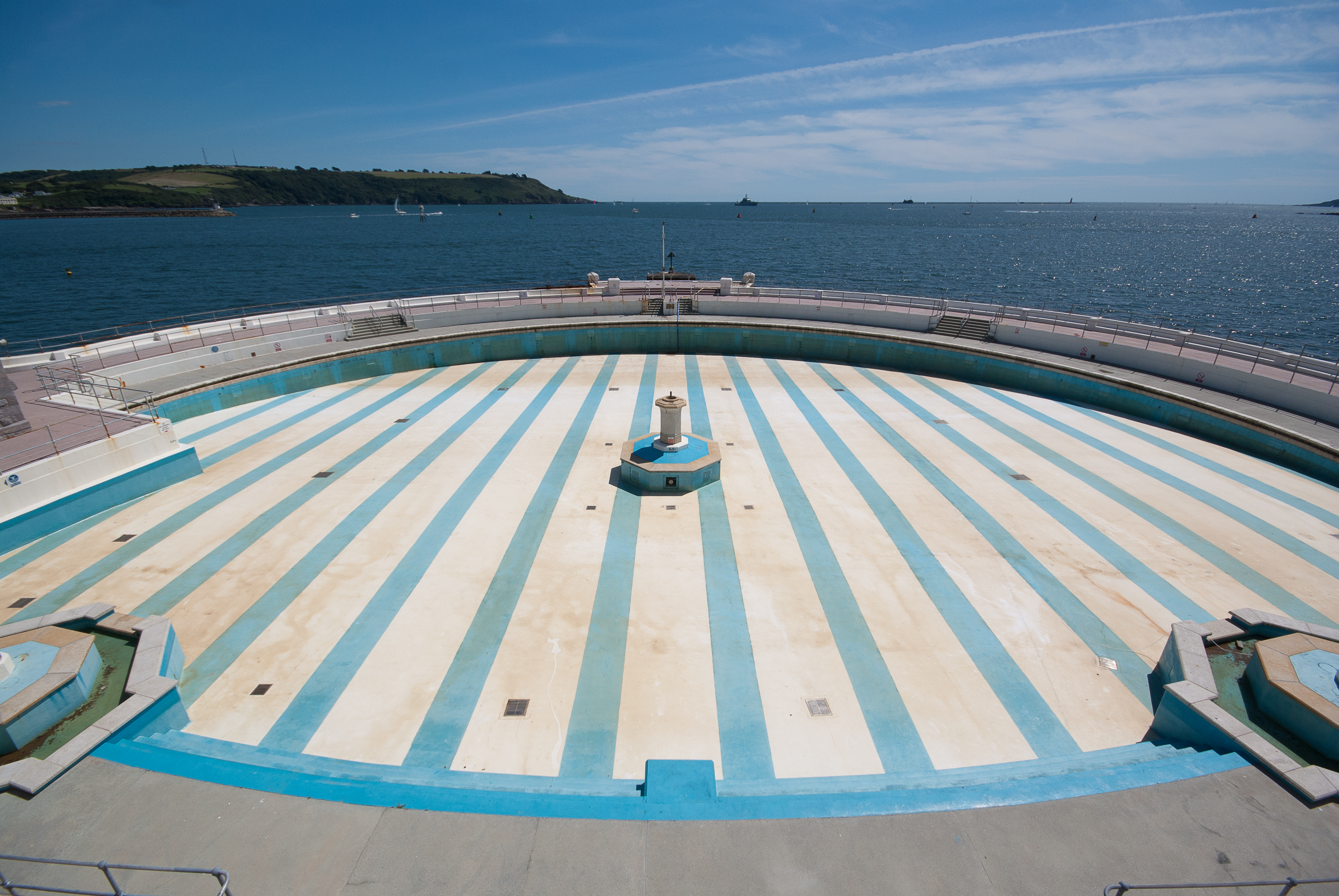
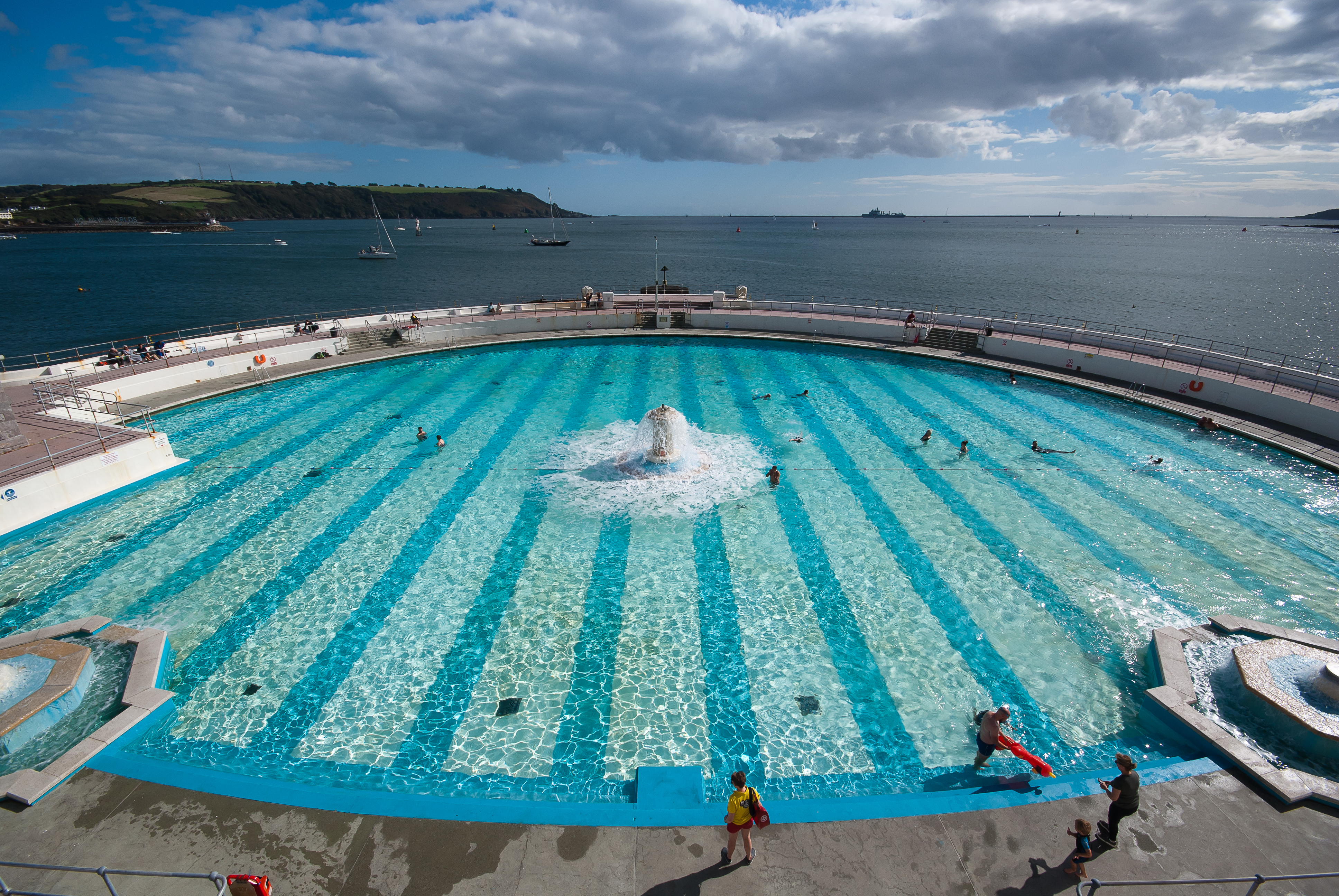
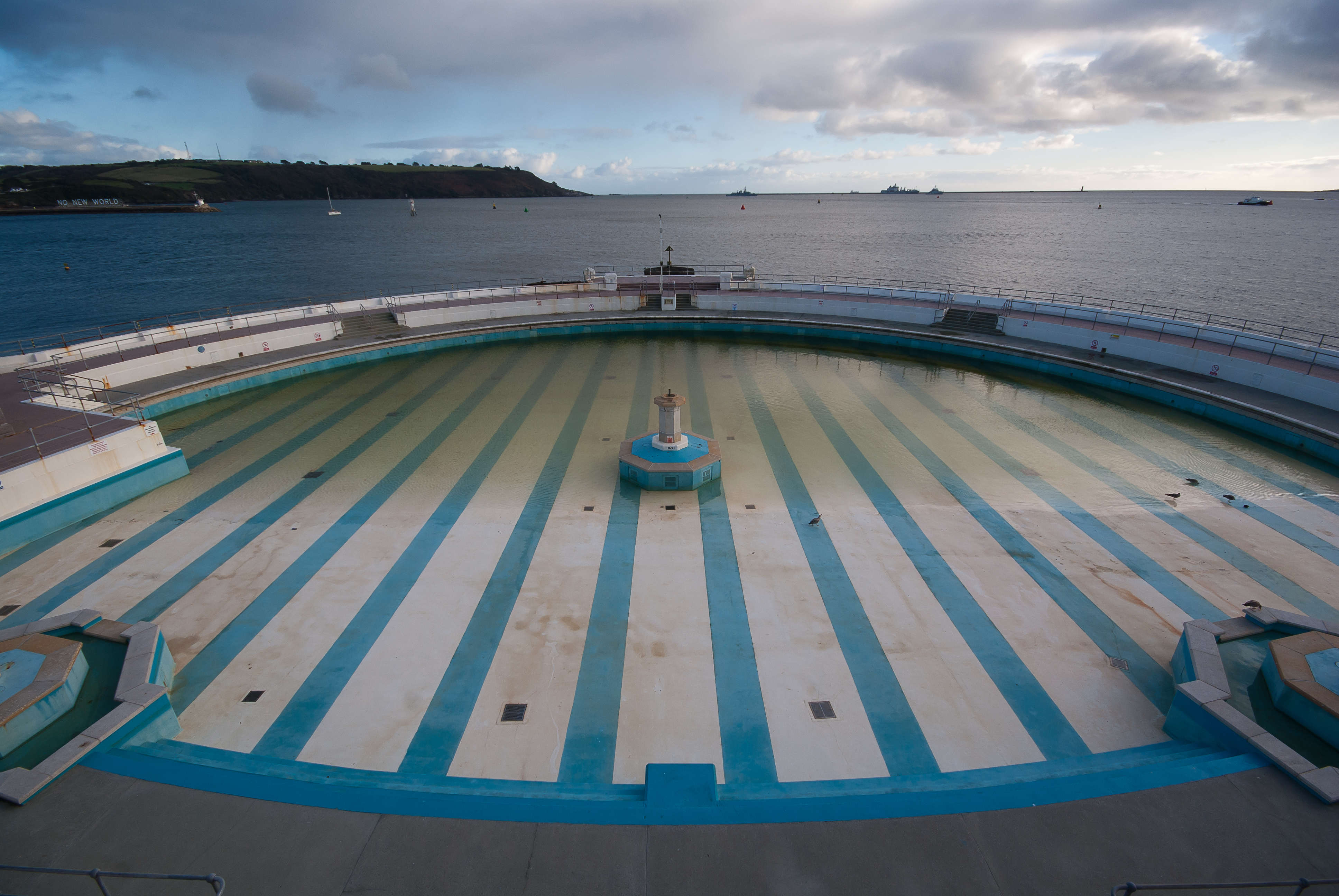
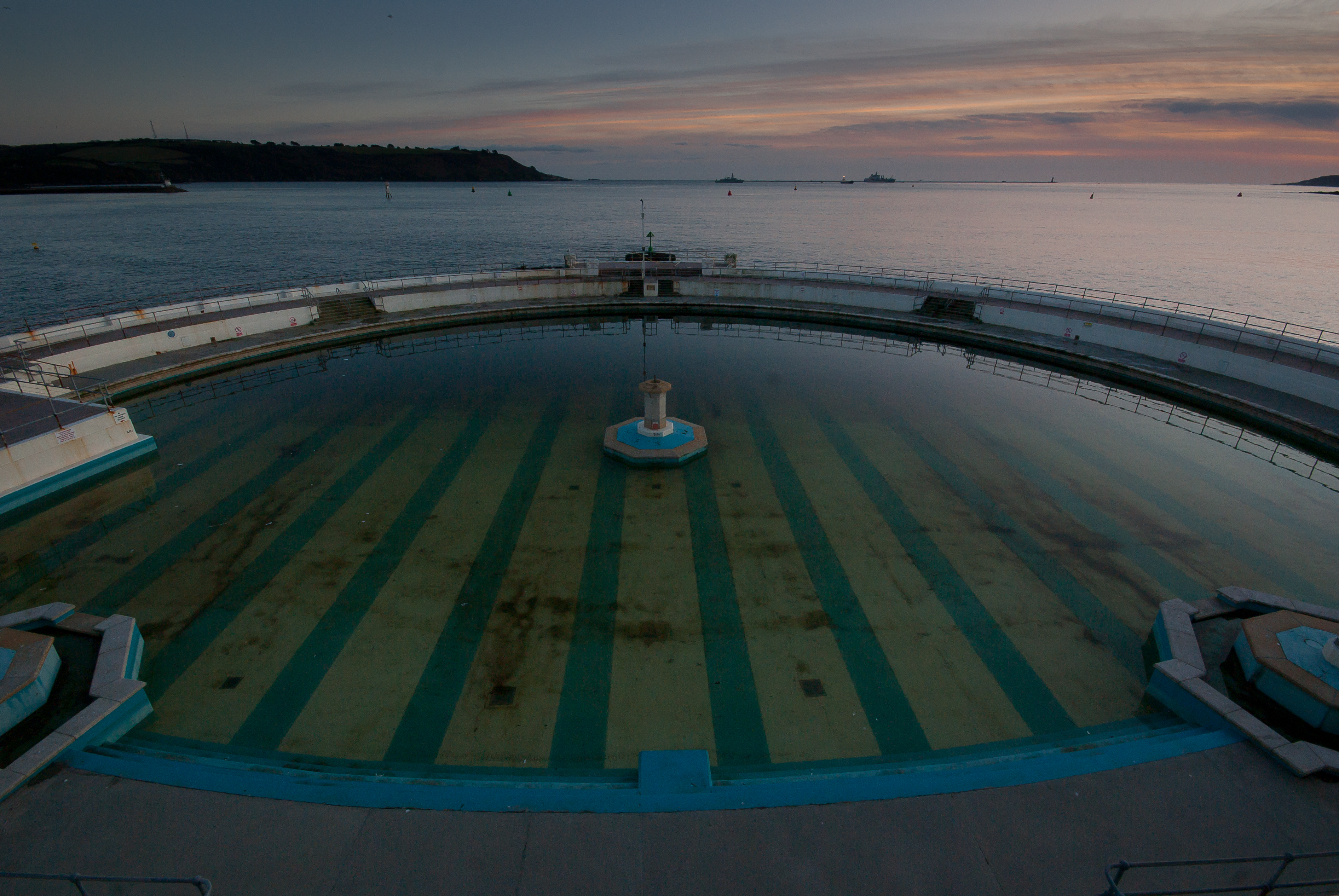
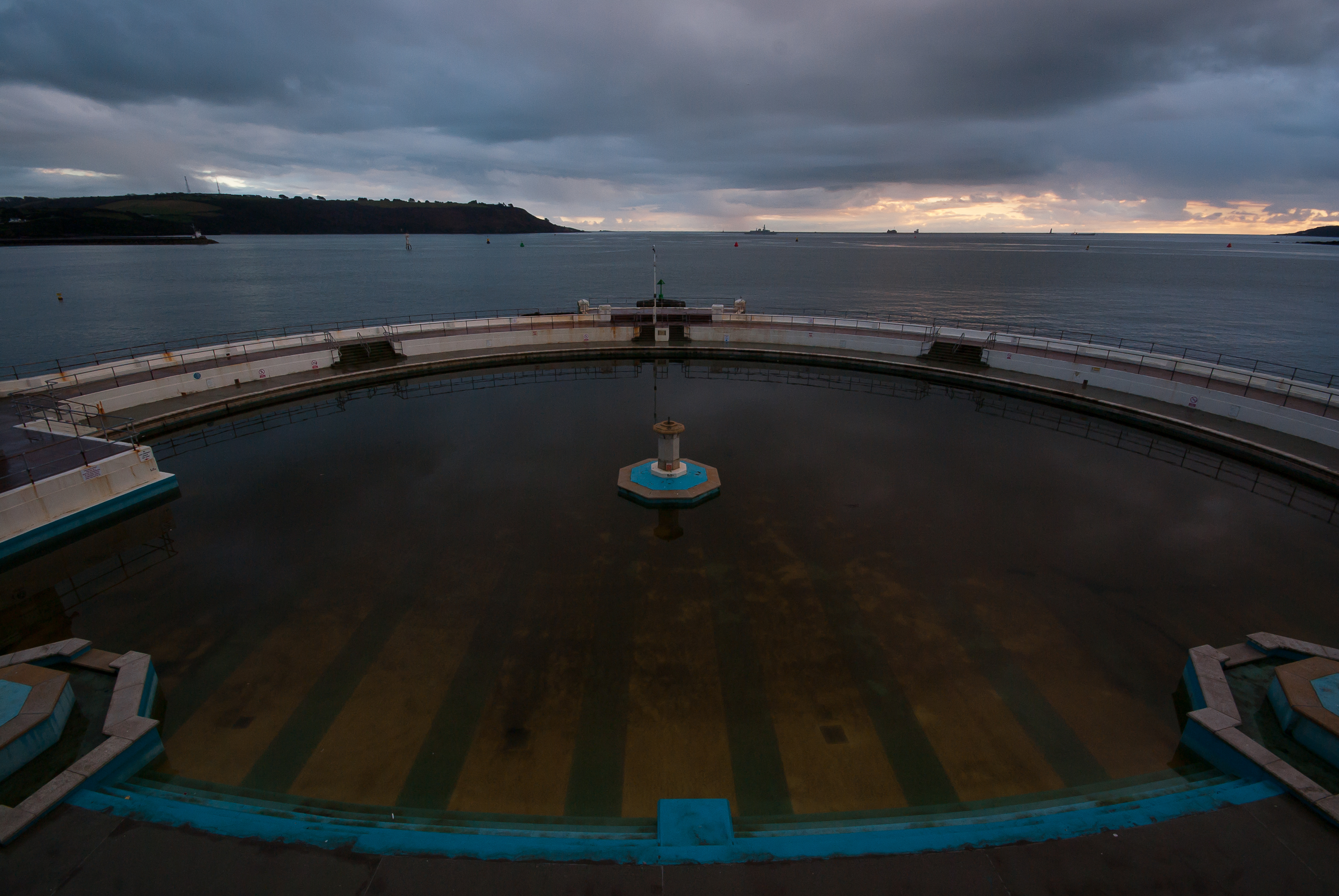
At the time of starting this project, I had no idea that the COVID-19 pandemic would decimate many businesses during 2020, and whilst there was a boom in UK travel as people were unable to travel abroad, UK tourist attractions did not necessarily reap the financial benefits due to government restrictions on which could remain open at certain times. Thus, when I first started photographing Tinside Lido in Plymouth during the 2019 summer season, I was expecting to see a lull in activity through the winter, with a summer boom and a subsequent return to inactivity. The reality turned out to be somewhat different, with the lido seeming to me to become a metaphor for the fortunes of the city during this uncertain time. As I write, cleaning of the pool will soon commence again as a sign of hope that 2021 will see more of a return to normality, but in these uncertain times it is unclear what this season will bring and whether the efforts will be futile.
This project is a culmination and convergence of themes that have been running though my work for some time now:
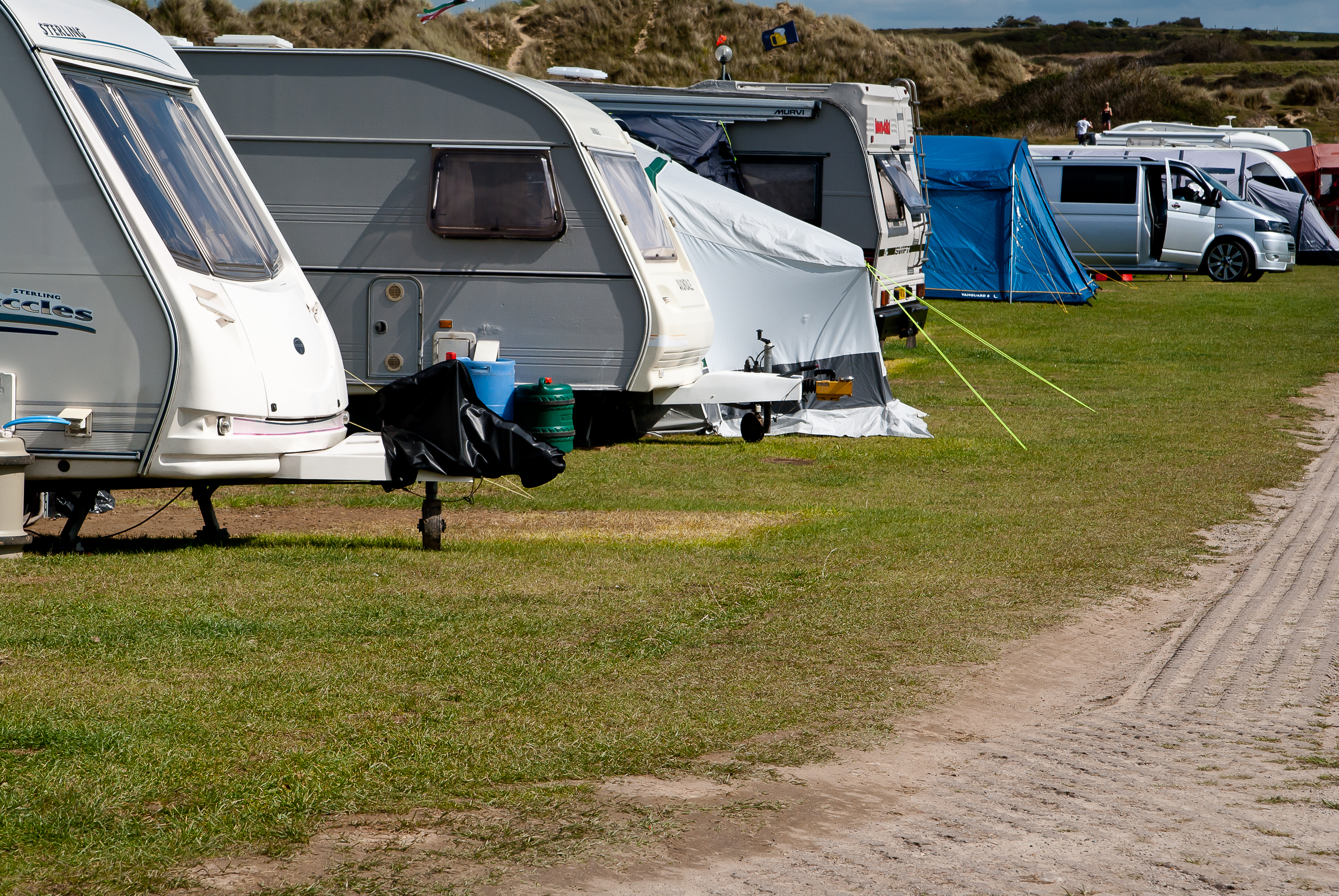
Through previous modules I have been interested in the repetitive nature of human behaviour; in particular the activities that we engage in year after year, generation after generation and document in family photograph albums. For this project, it was the family caravan holiday.
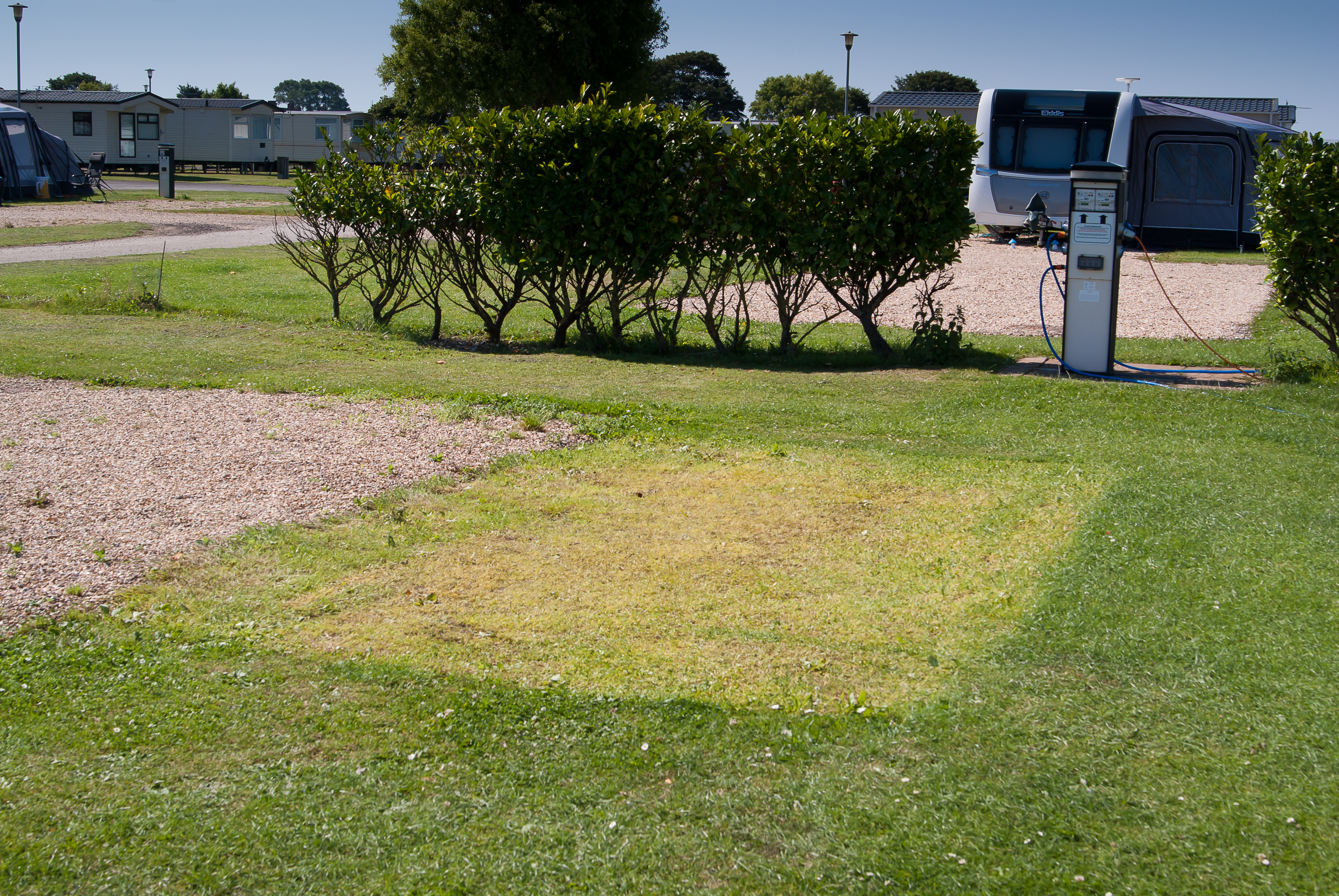
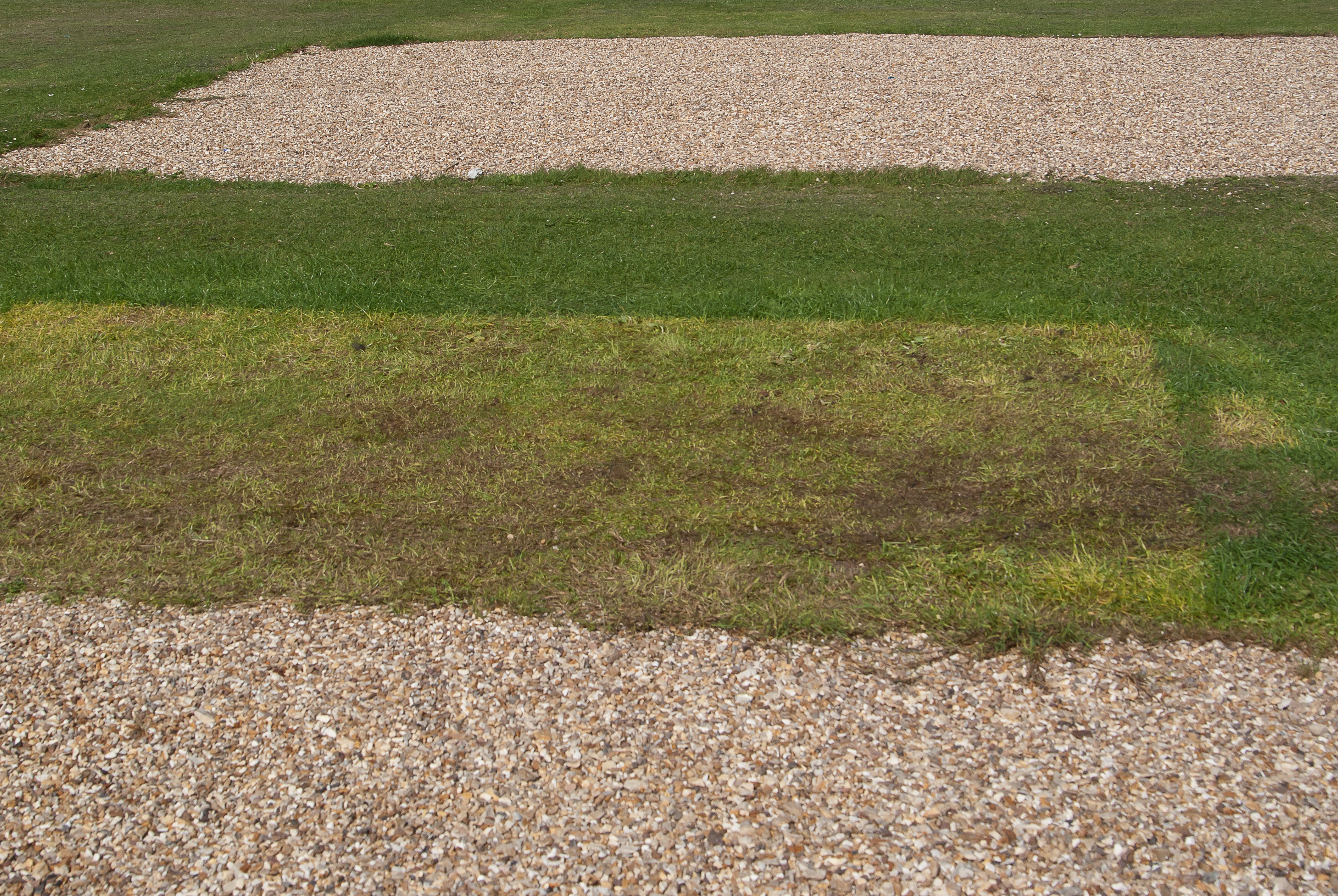
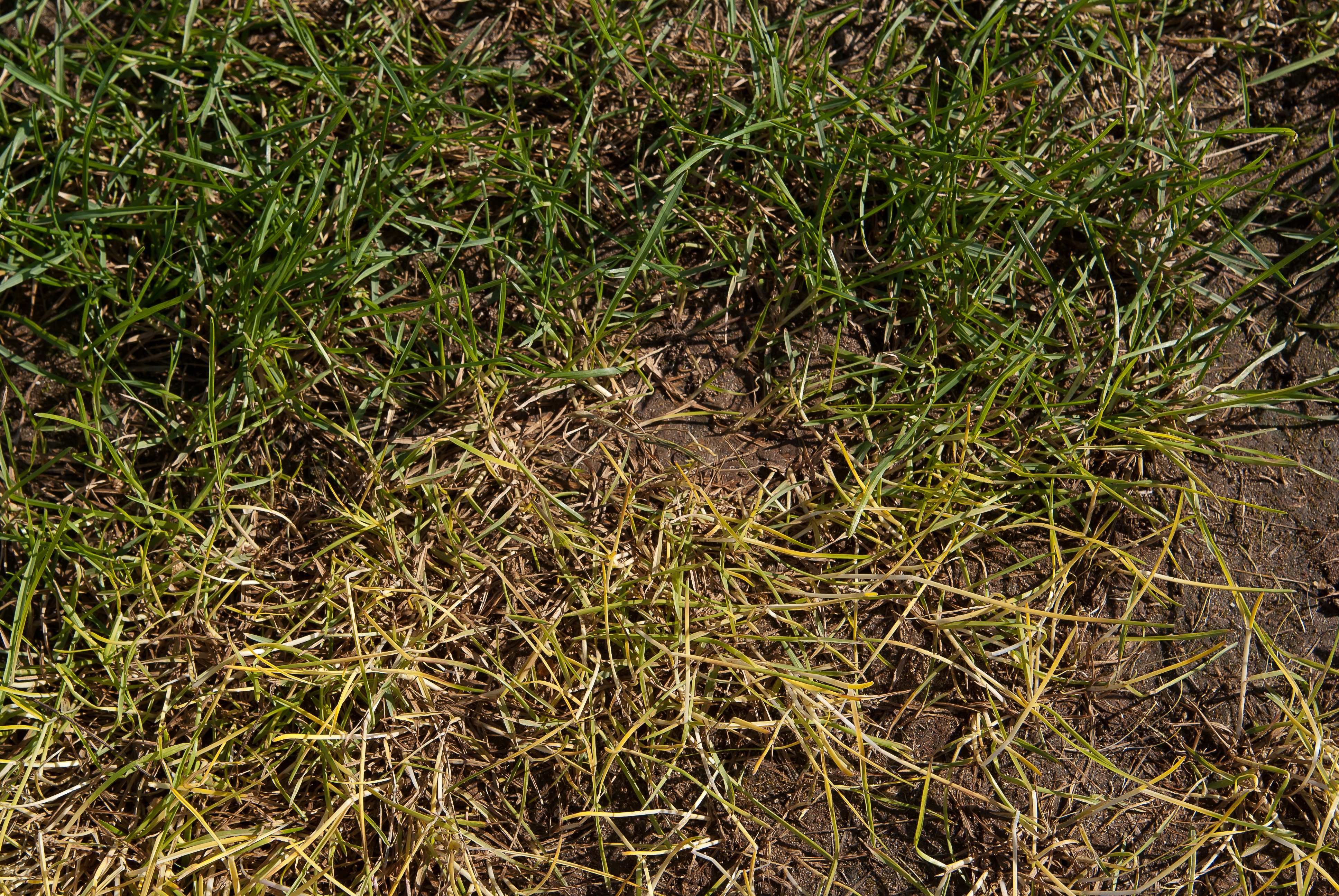
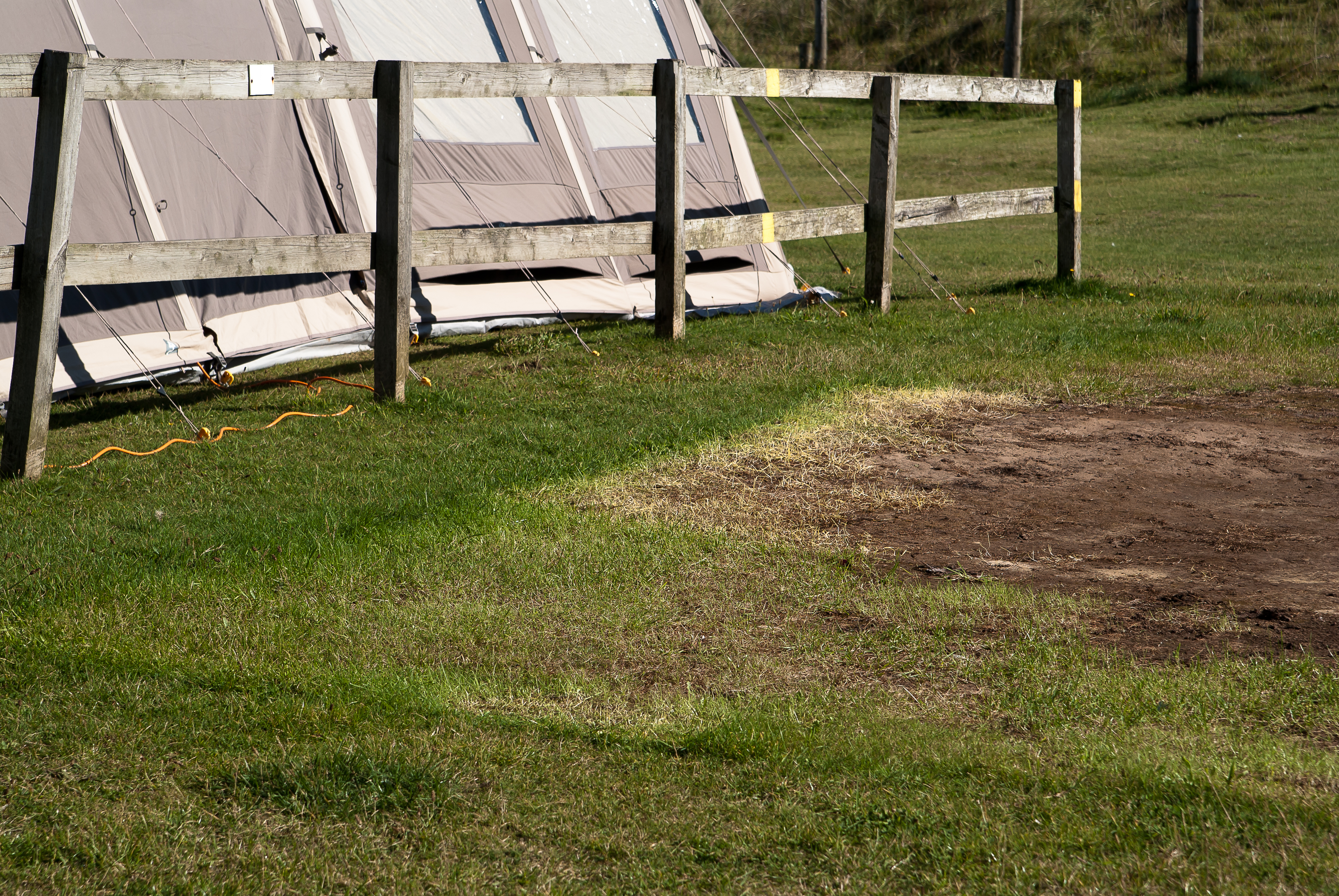
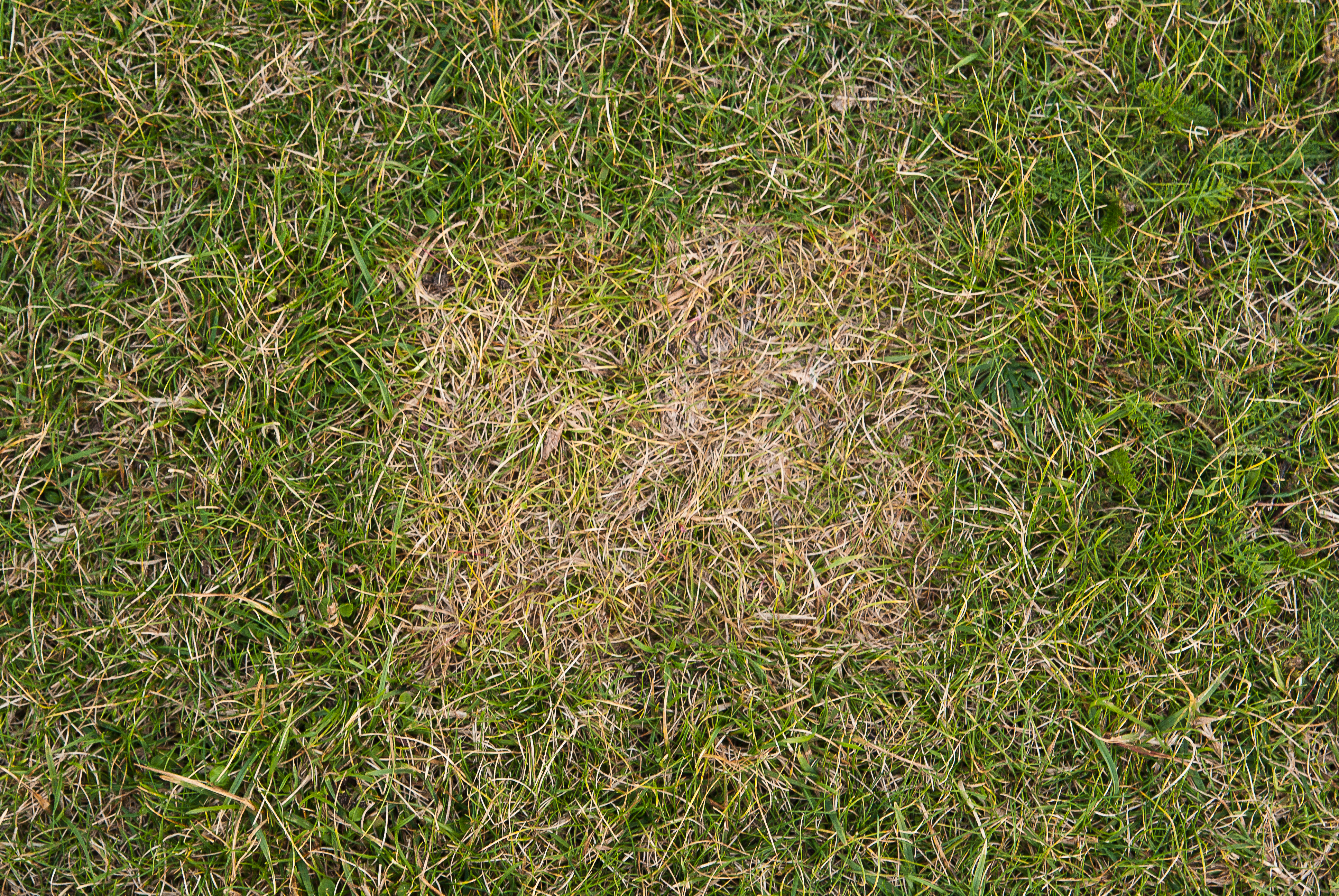
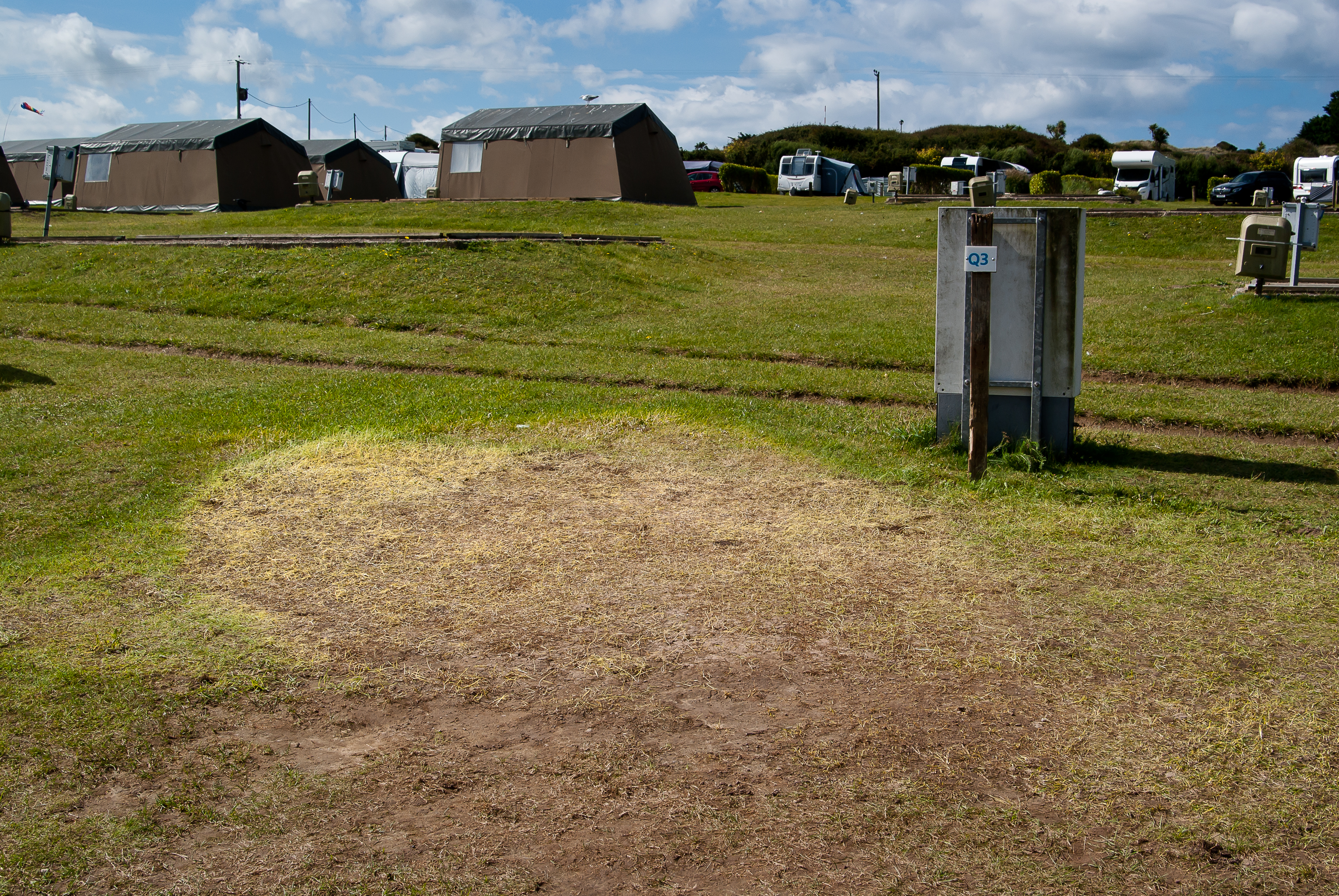
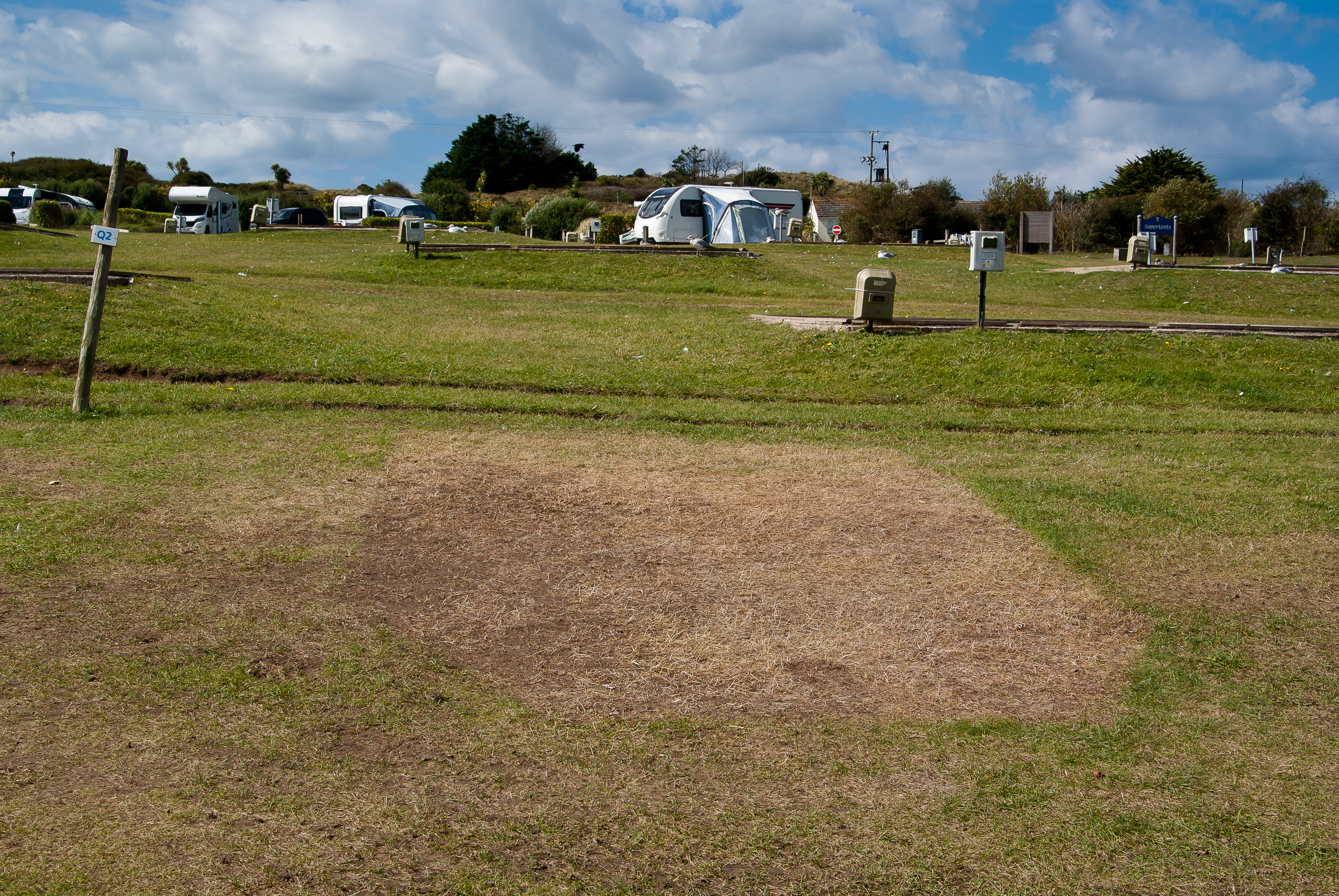
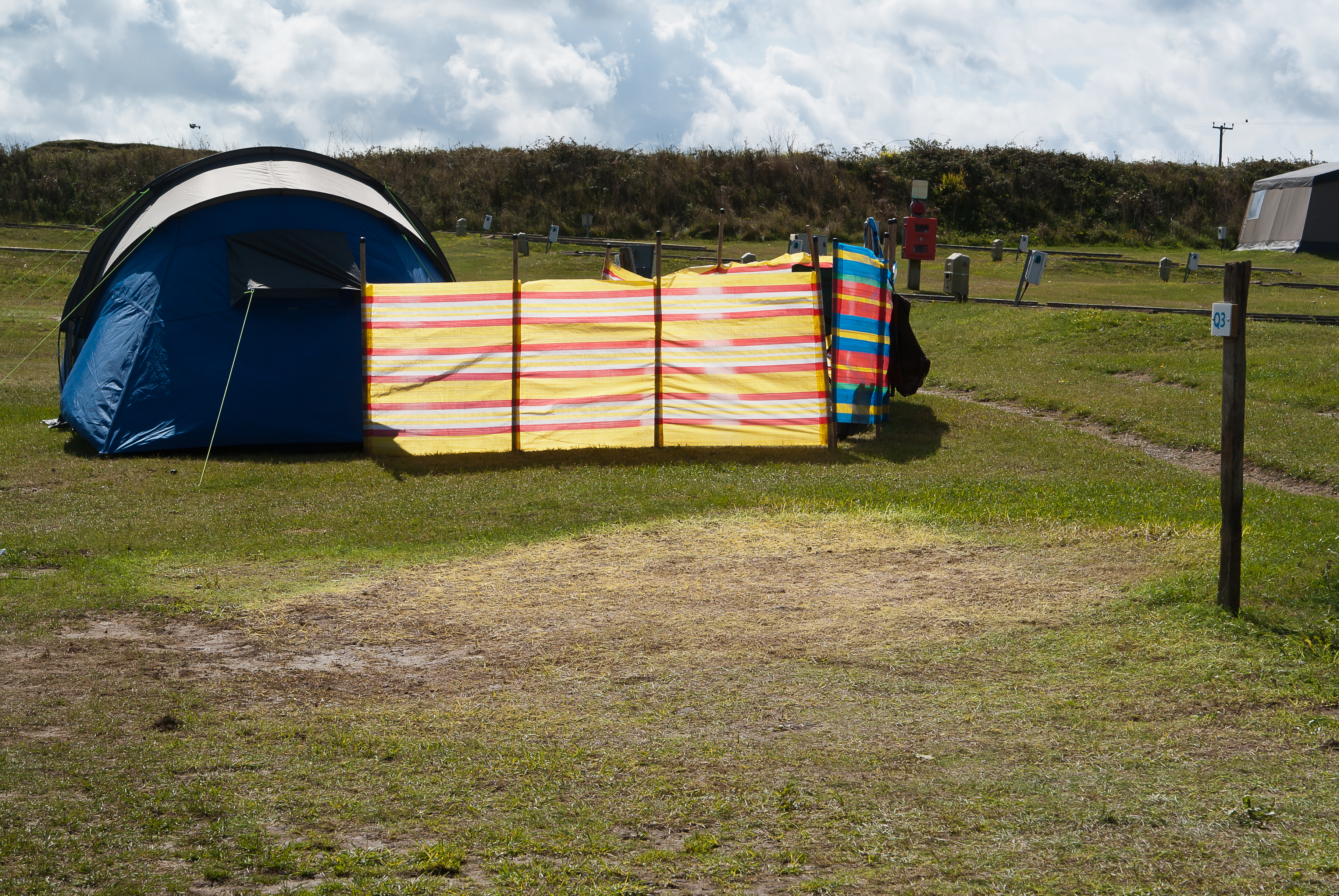
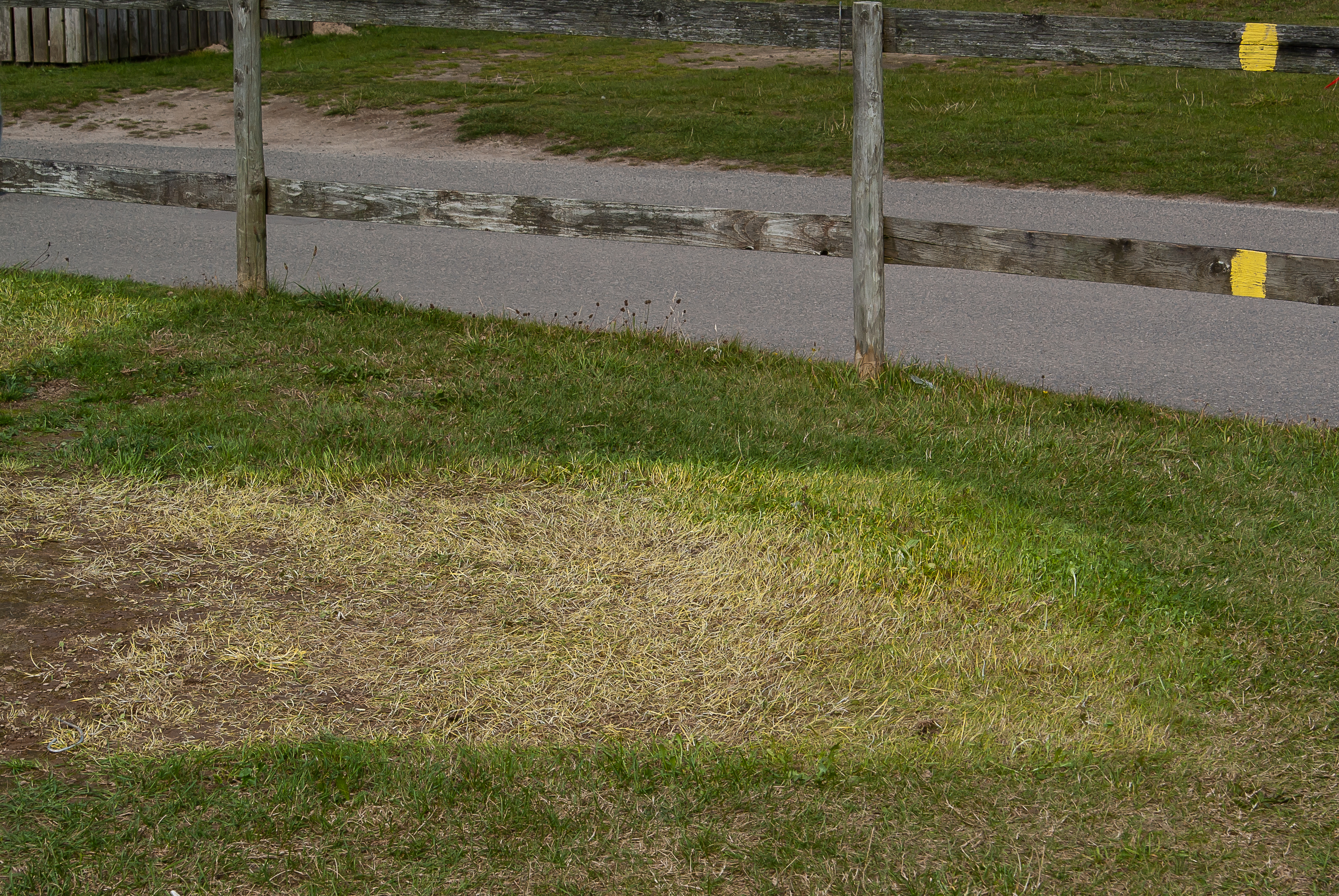
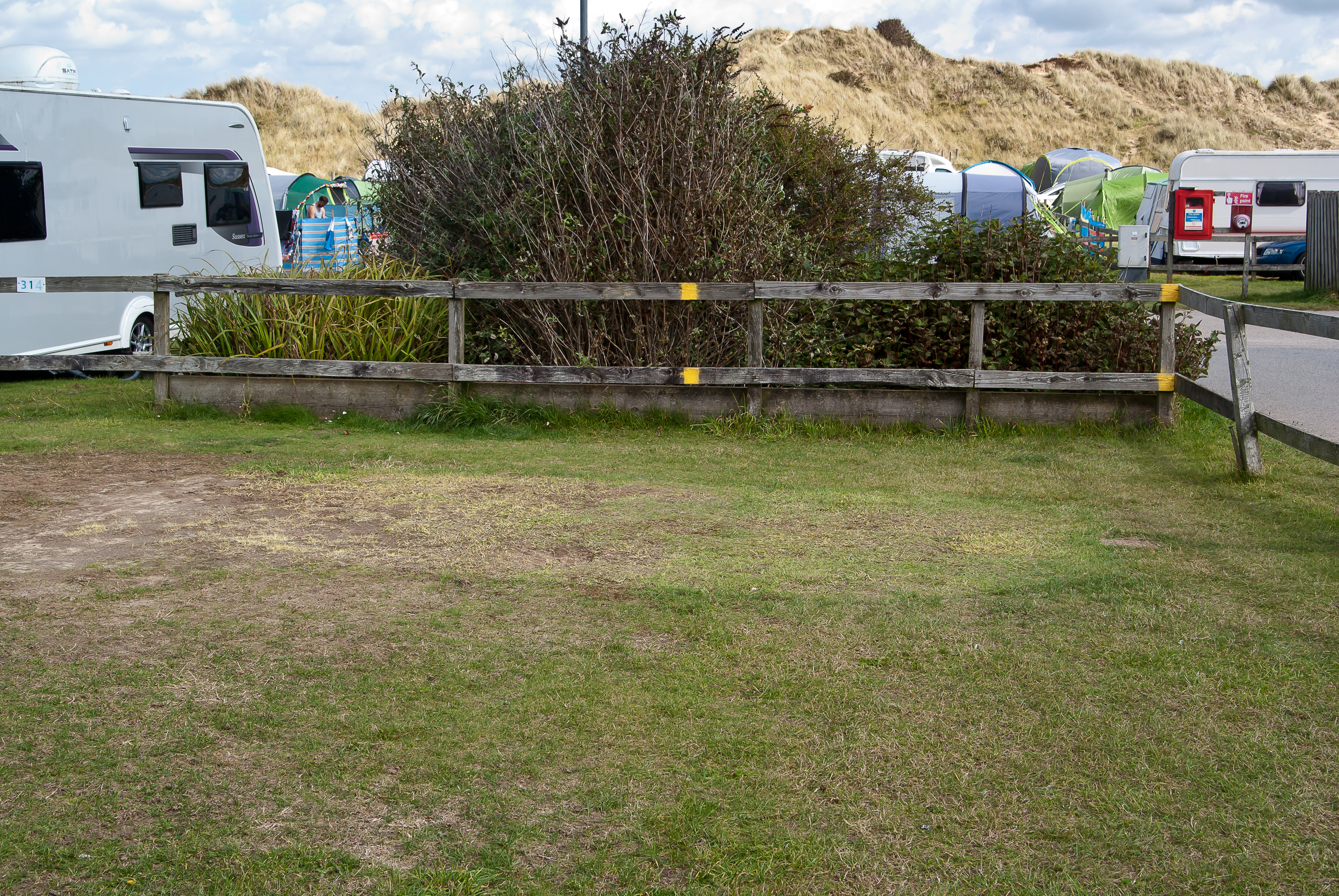
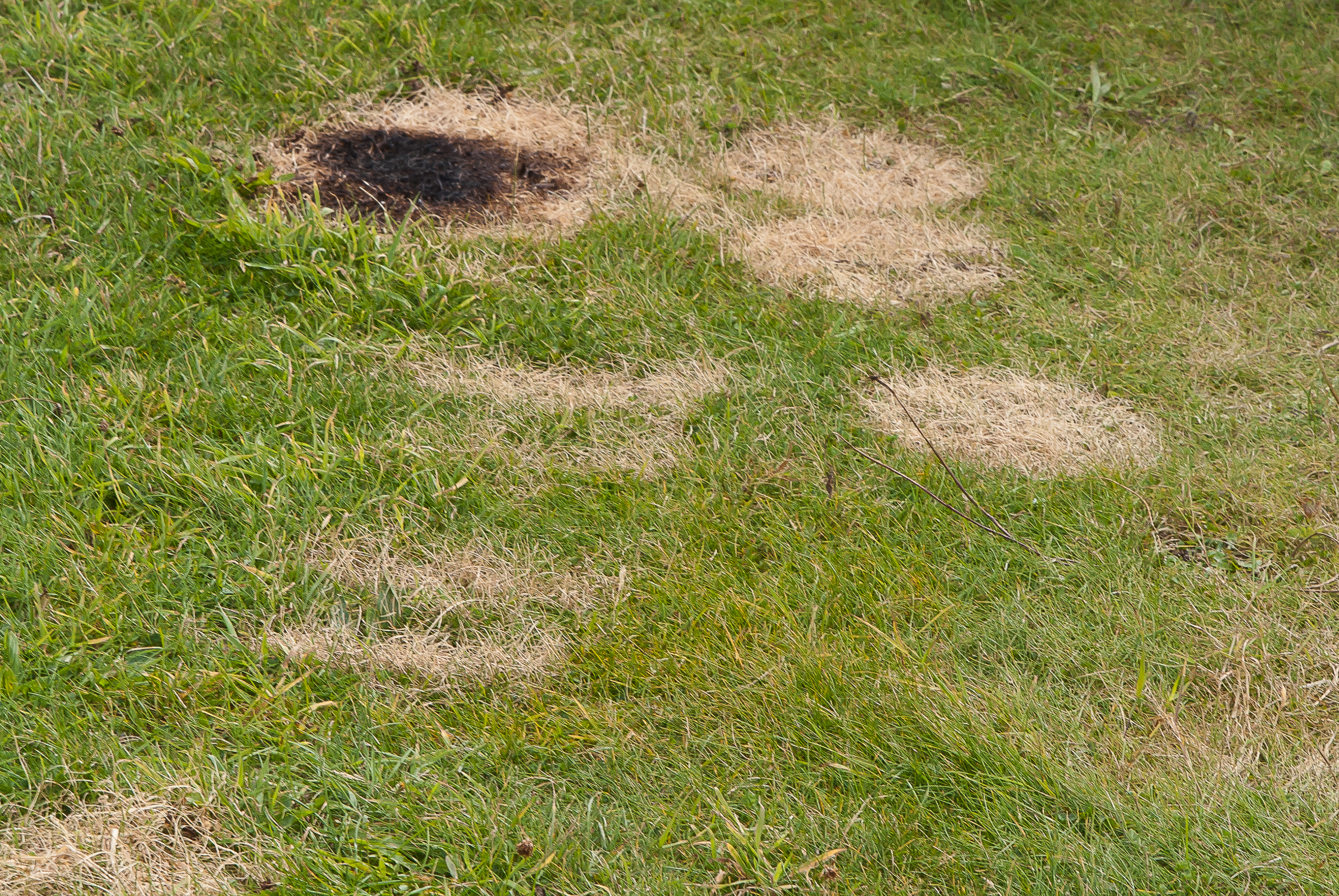
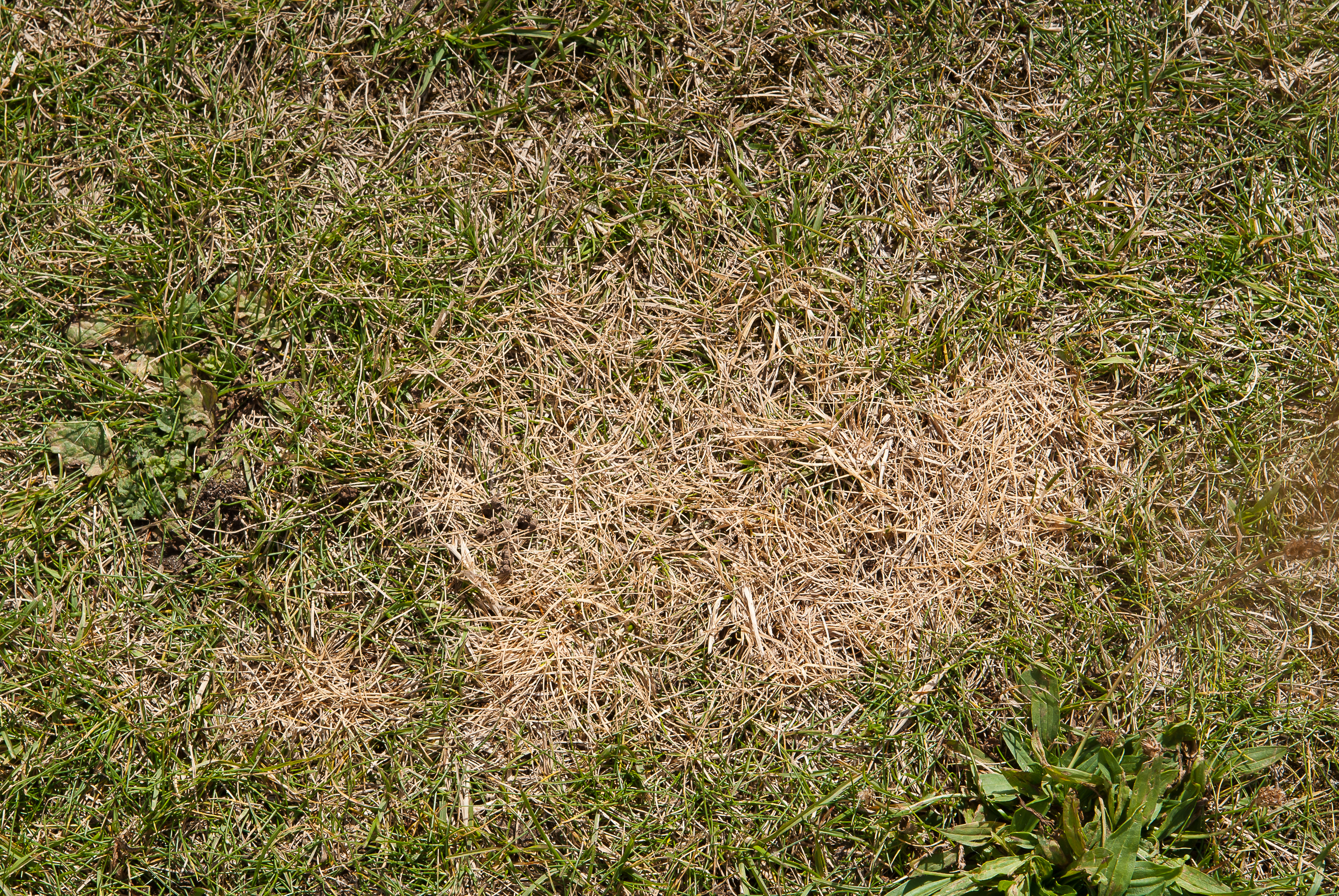
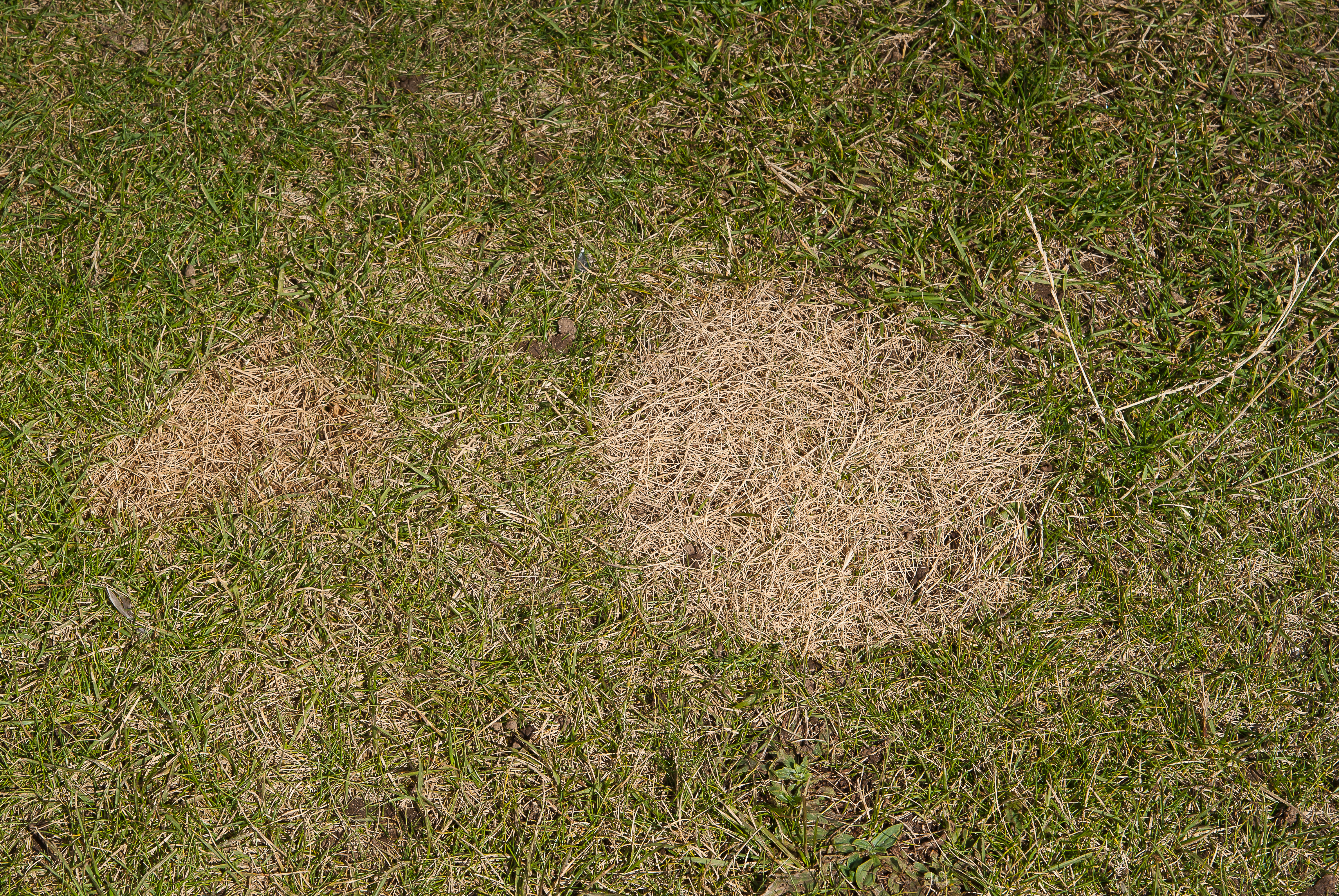
My second point of interest was pushing the boundaries of photography beyond capturing light in a camera: earlier in this course I investigated cyanotypes and lumen prints and for this assignment I looked at the ‘images’ sunlight creates on grass. In this case ‘images’ are overlaid again and again, making a photomontage recording each stay, until the end of the season when the grass is allowed to restore and regrow until the cycle begins again. Thus the project looks at the passing of time, regeneration and repetition in nature and human behaviour.
Evaluation
I am happy with the way this project has turned out, and I think that looking at sun marks on the earth is something I will continue to do for some time. I achieved what I set out to do which was to create an interesting set of images which tells us something of what has been happening whilst leaving a narrative element to the viewer to imagine. My original project brief is shown below and I think I have largely stuck to what I was intending to convey.
I will also remain interested in caravan parks; so many formative memories are created there and they are a specific environment created for a specific purpose which is has a landscape angle to be explored. I would also like to use grass further in my work, perhaps deliberately creating shapes in and perhaps also growing some in the gallery space.
Artist’s Statement
My work focuses of the dynamic tensions between landscape and people, even though people are rarely depicted. Whilst contemplating the landscape I am constantly thinking of the impact landscape has on humans both in a physical and emotional sense. Conversely, I am also interested in the impact humans have on the landscape, not just in the obvious sense of environmental damage, but also in more subtle ways, in the signs of human behaviour left behind on a small scale, temporary basis.
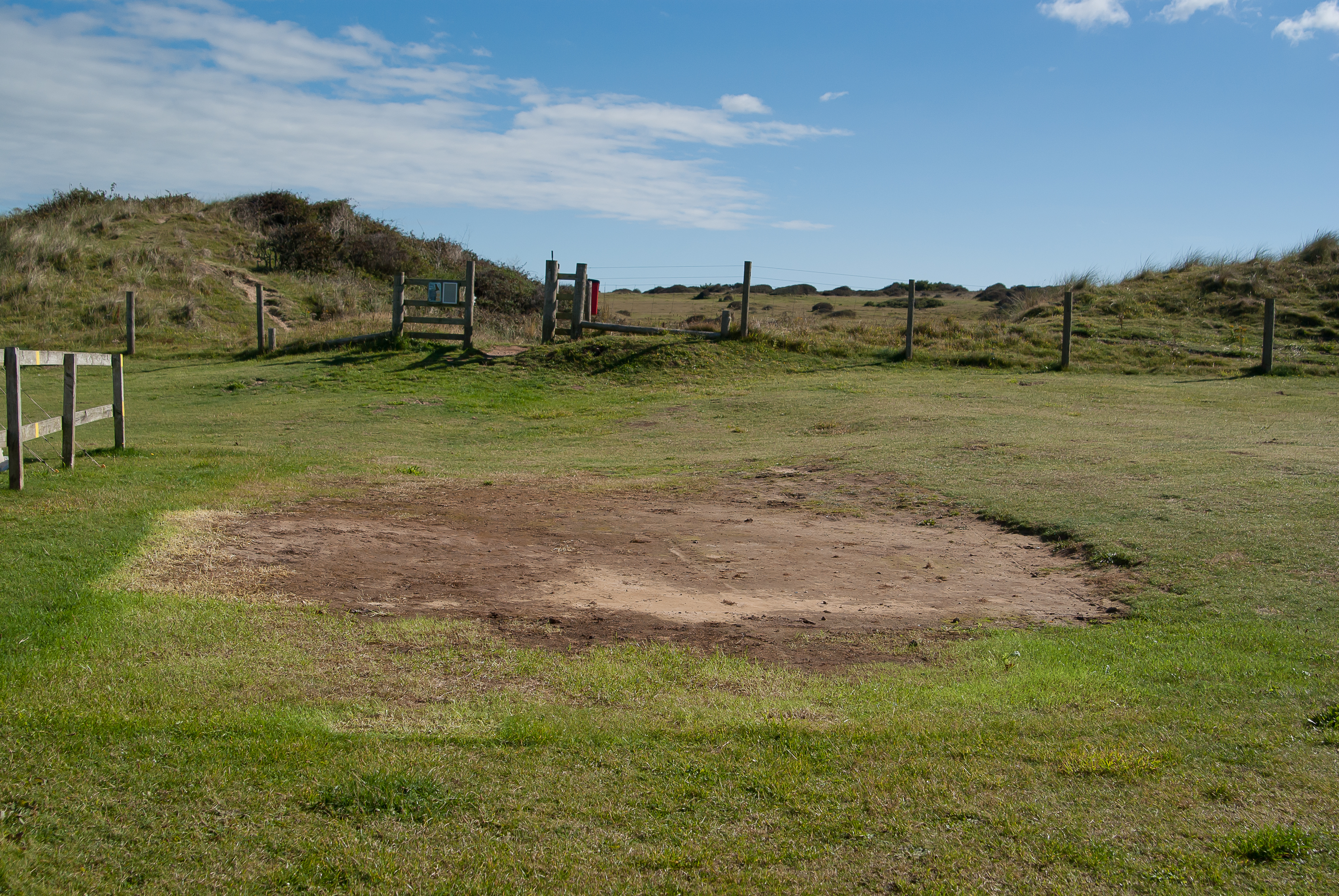
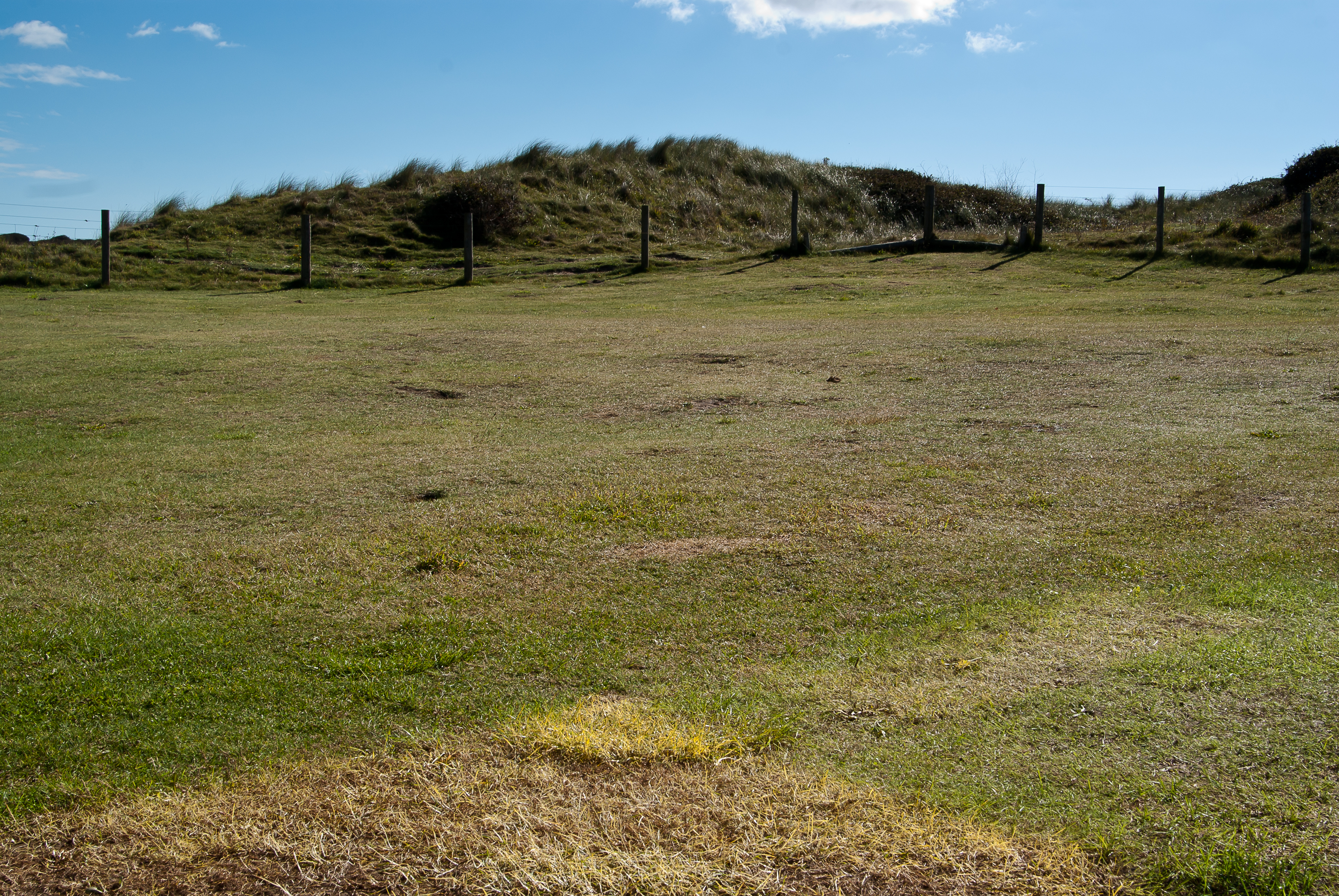
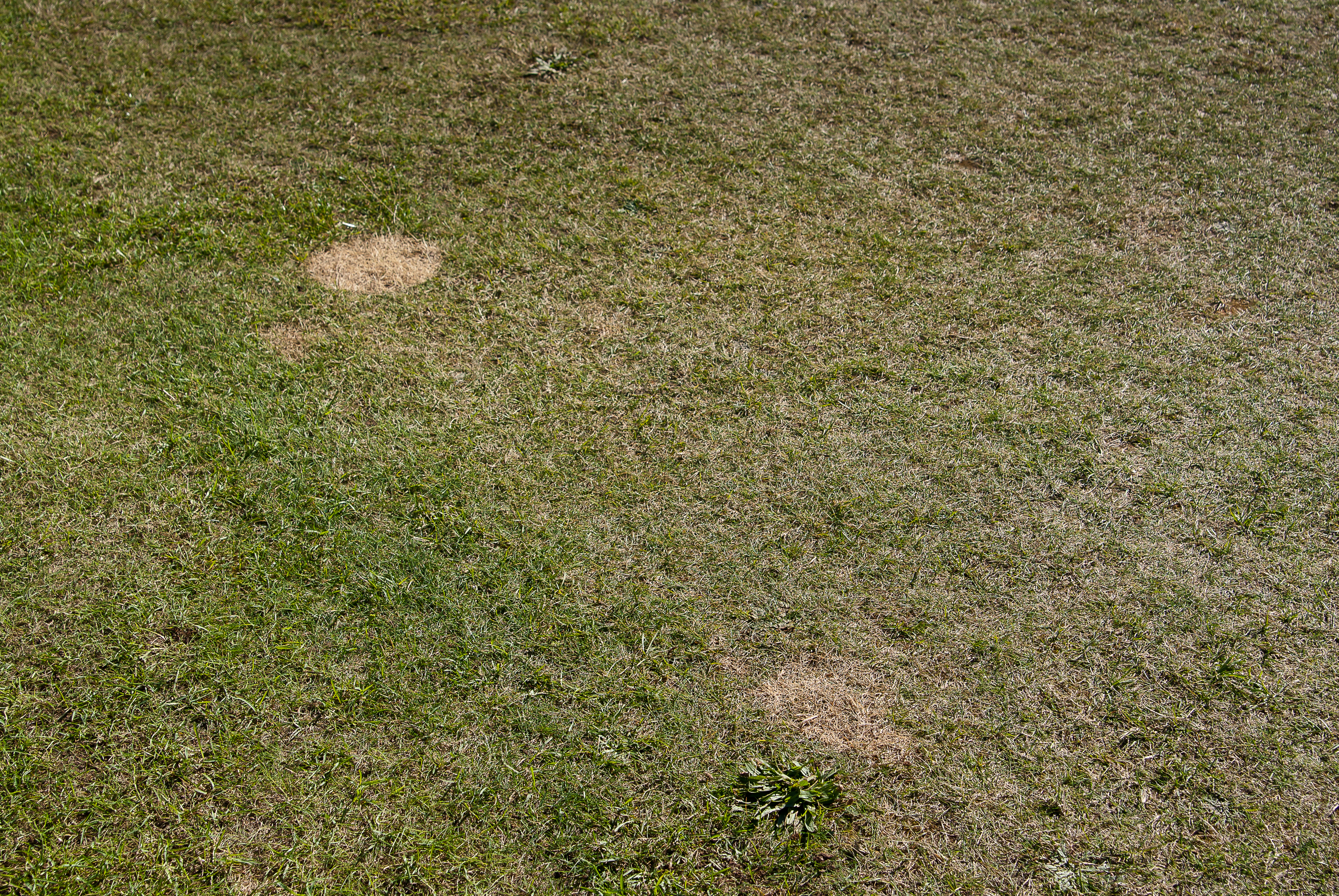
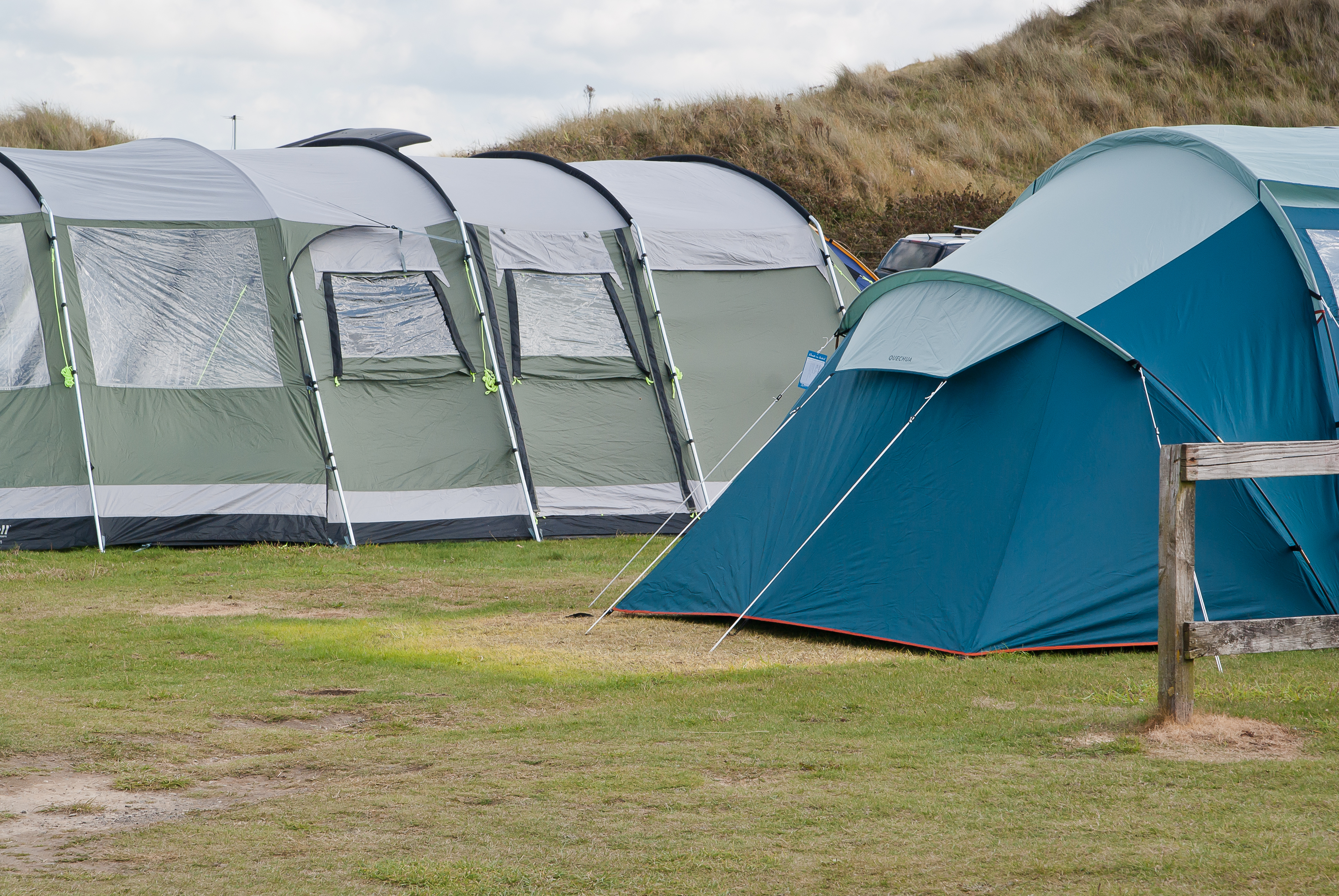
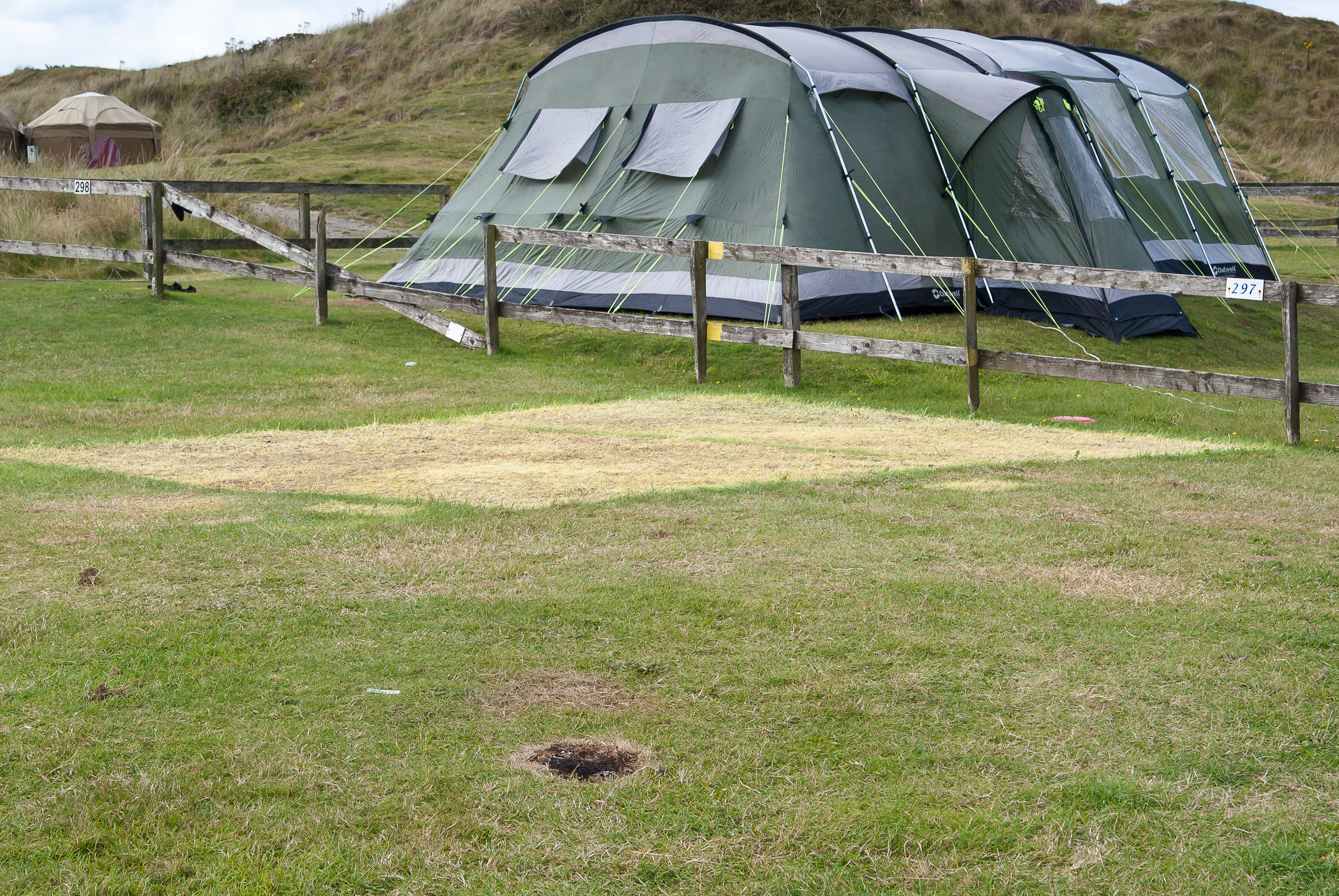
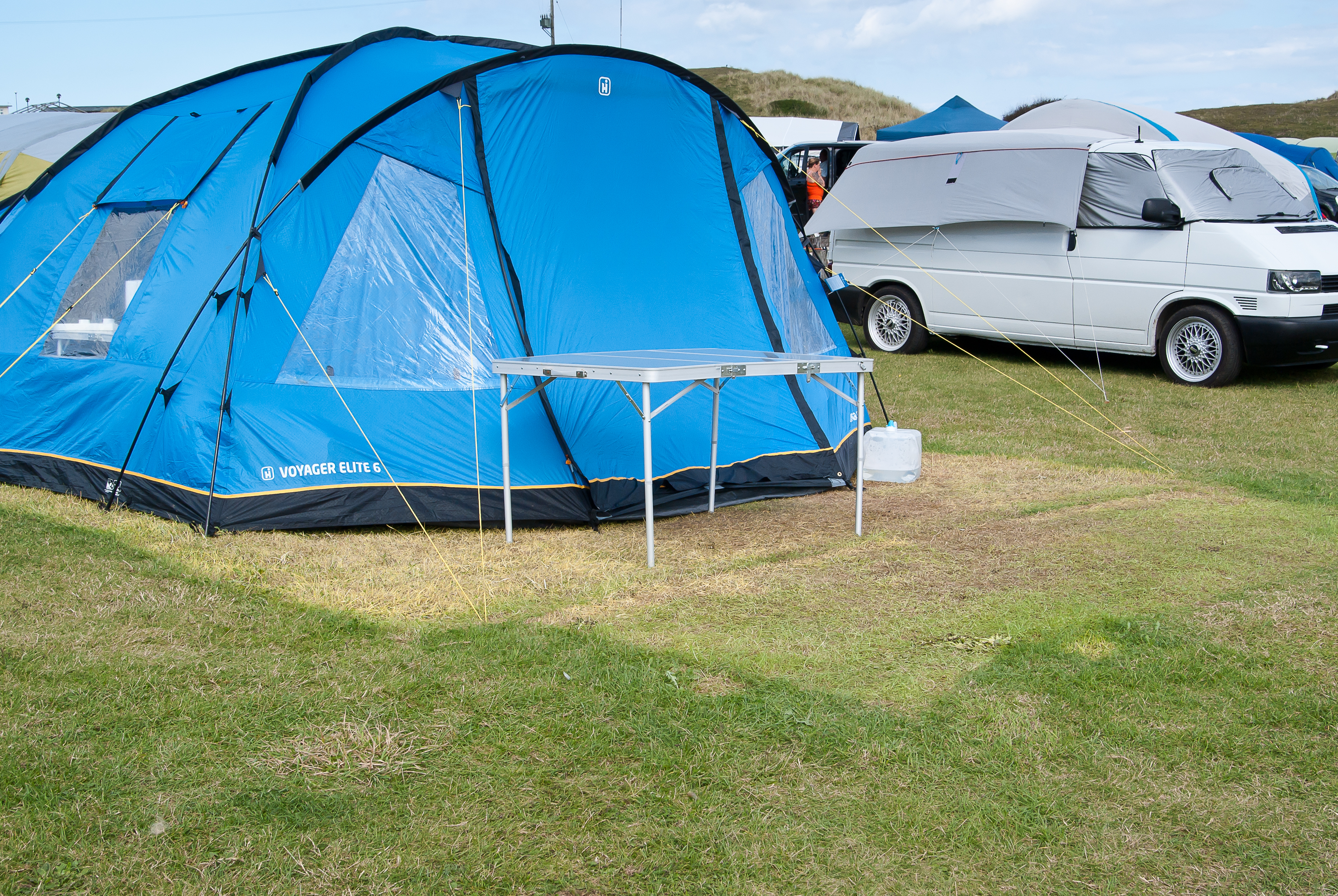
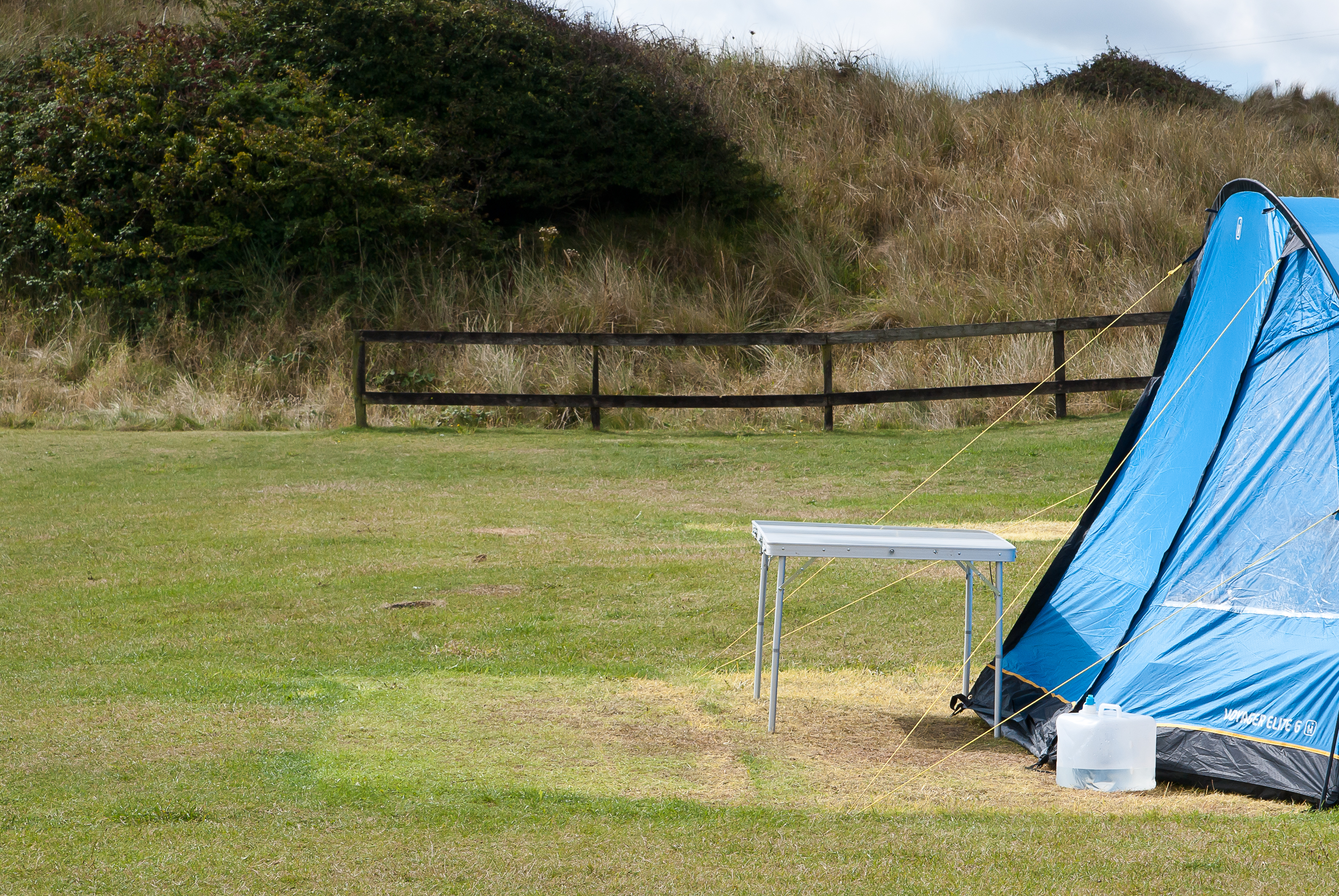
My piece on caravan parks focuses on the evidence left behind by holidaying families in the form of temporary photographic imprints on the grass; repetitive shapes made time and time again throughout the holiday season, leaving short term evidence of those who came before; regenerating year after year as the cycle begins again.
Project Brief
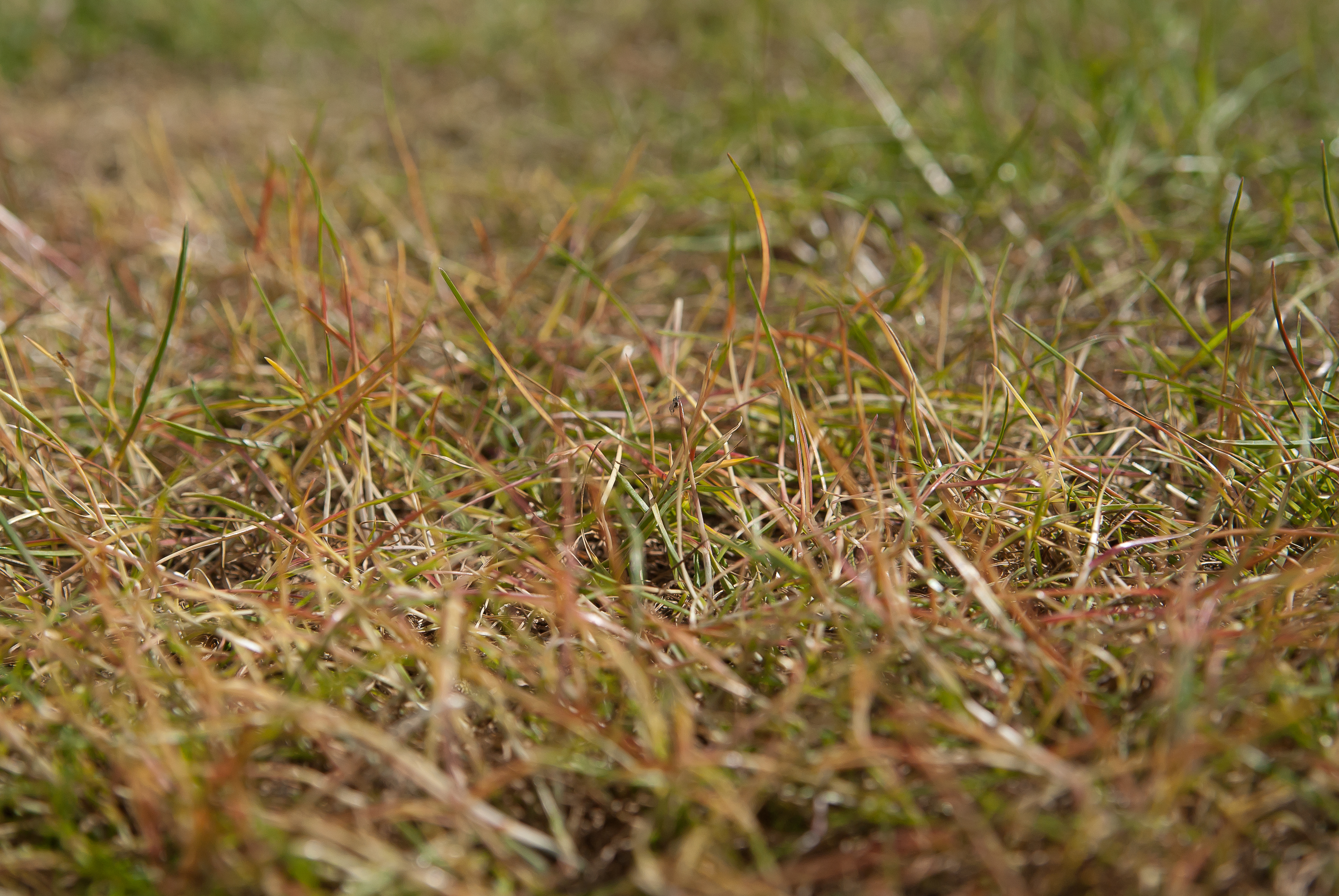
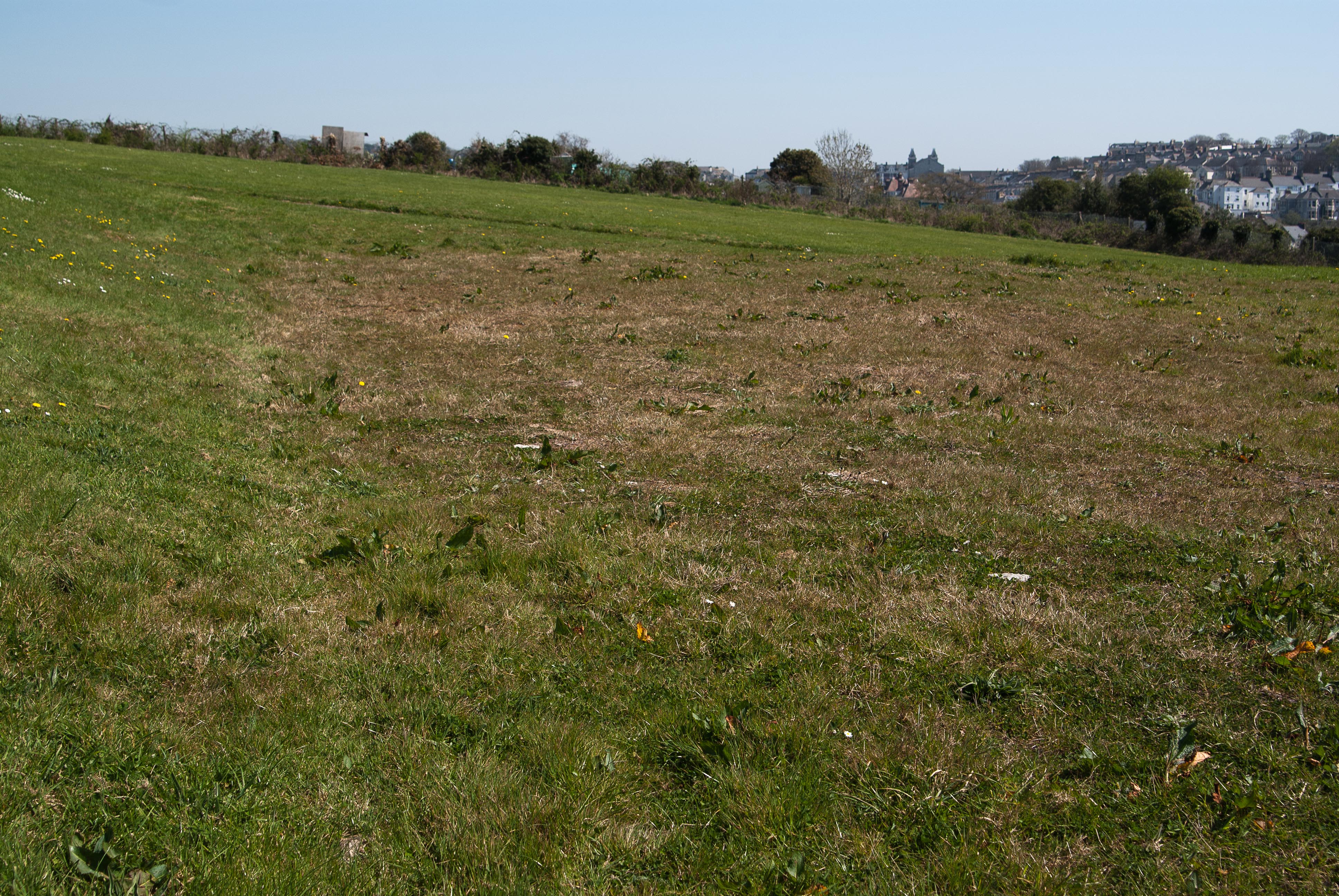
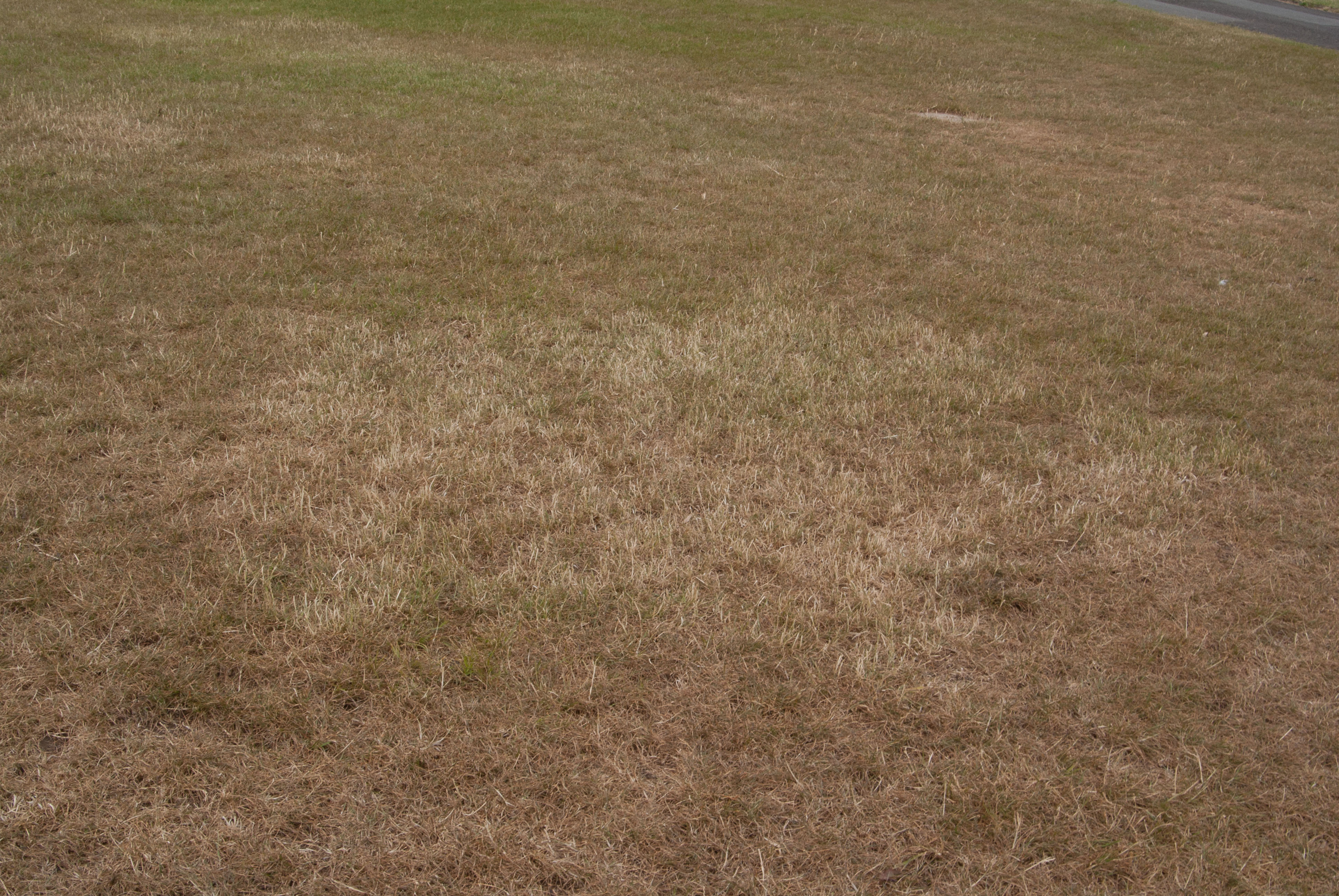
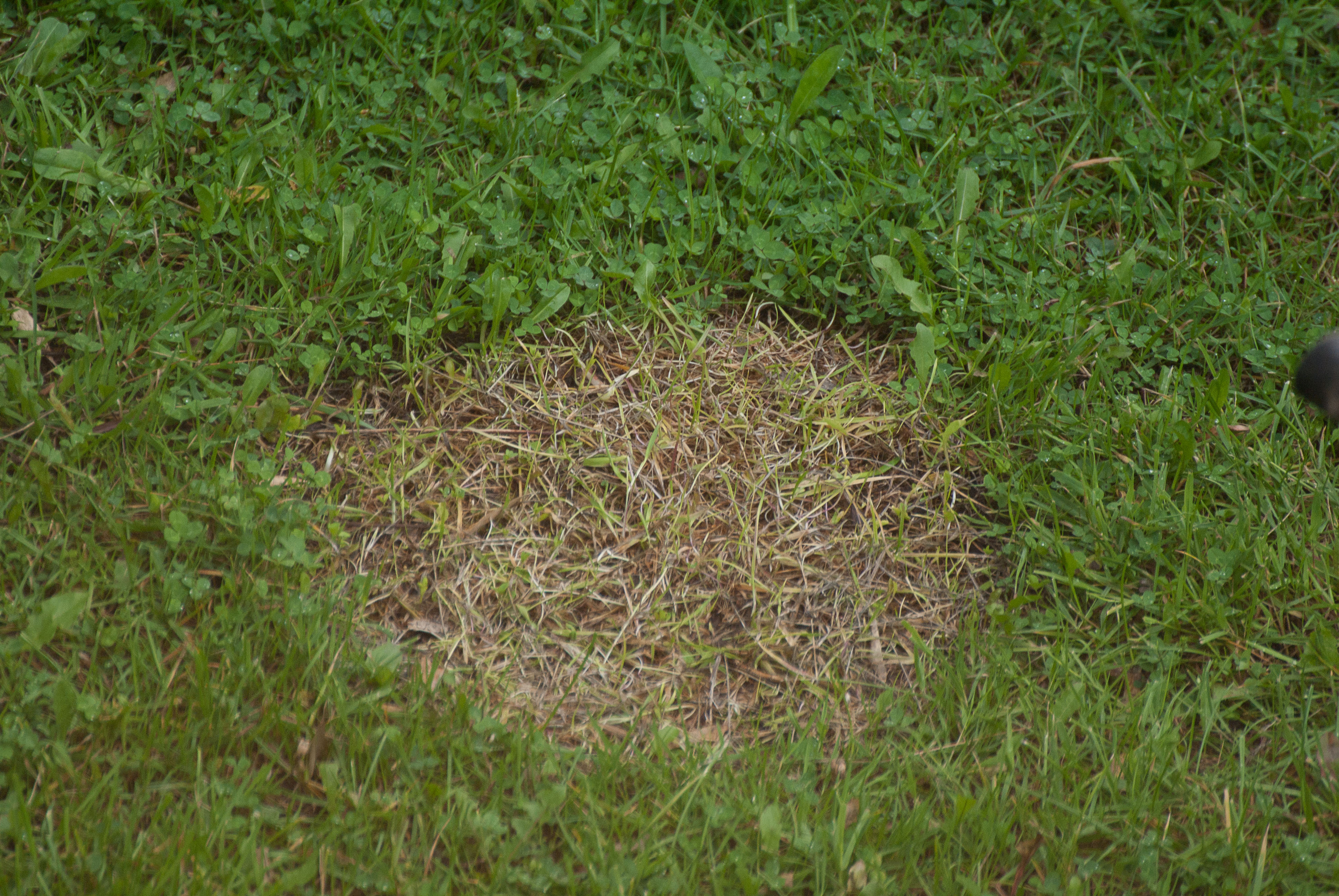
Around two years ago I became interested in how the marks on grass when it has been deprived of light are a kind of naturally occurring photography which, when an item is placed on it for a period of time and subsequently removed, create a silhouetted ‘image’ of that which has been placed there.
I began collecting images of this type of ‘photography’ when I came across it whilst out walking with my camera, whilst wondering what had previously been there to leave the image. Some large areas were indicative of a temporary structure of some sort, hinting at a gathering for an unknown occasion, whereas others were very small.
Inspired by artists challenging what constitutes photography such as Tom Lovelace, following on from my earlier work for this module using the sun to create cyanotypes and lumen prints, and also referencing my research on Land Art, I wanted to explore further these images that are made on the earth itself, which break through the limitations of photographic paper size boundaries.
I also bring to my work a personal interest in the family photo album, and particularly in the images we retake year after year in different forms, for example the holiday snap or the birthday party, and the idea that versions of these images are taken year after year, generation through generation. We are so familiar with these images that when we view someone else’s version, we can immediately imagine the scene beyond the boundaries of the shown image and subconsciously apply our own preconceptions and experience of the our imaginings. Thus it is so with the British caravan park; many people already have their own thoughts on what it is to holiday in this environment.
My project proposal is to combine the interests laid out above and explore how the images created by objects blocking natural light on grass create a new type of holiday photograph, that which hints at what has occurred at the particular site but leaves the viewer to imagine the scenes contained within that confined area of ground.
My work focuses of the dynamic tensions between landscape and people, even though people are rarely depicted. Whilst contemplating the landscape I am constantly thinking of the impact landscape has on humans both in a physical and emotional sense. Conversely, I am also interested in the impact humans have on the landscape, not just in the obvious sense of environmental damage, but also in more subtle ways, in the signs of human behaviour left behind on a small scale, temporary basis.
My piece on caravan parks focuses on the evidence left behind by holidaying families in the form of temporary photographic imprints on the grass; repetitive shapes made time and time again throughout the holiday season, leaving short term evidence of those who came before; regenerating year after year as the cycle begins again.
In his essay Context as a Determinant of Photographic Meaning John A Walker explains how changing where an image is displayed changes its context; in most cases this results in a change in emphasis of content. However, a total change in meaning can also result. It is also possible to change meaning by juxtaposition to text to something which was not signified by the image alone.
Paintings and sculptures were originally created in situ, for example as a mural. the portability of the canvas enabled mobility which lost connection between the work and specific places, culminating in the availability of photography on a global scale.
When photographs of a place are viewed out of context, it is common to research its original meaning, thus rendering it eternally fixed. Walker suggests that we should also be investigating its context through the different socio-historic junctures it has passed since its ‘birth’ thereby also considering its ‘life’. Walker cites Jo Spence’s series Beyond the Family Album, Private Images, Pubic Conventions, as a prime example of this; originally personal images, their meaning was emphasised differently when shown in a feminist magazine, a library and a gallery. If the context in which an image is displayed can be altered by the space in which it is shown it stands to reason that the influence can also extend the other way.
The mental preconceptions of the viewer must also be taken into account, whilst assuming that many people’s responses will be similar.
I found the concept of the context of images changing depending on where they are shown interesting and this is something I had not really considered before. Once of our local department stores has shown art exhibitions for a while and I have found it interesting and refreshing to view art in a different context. Whilst I envisage my submission for Assignment 5 to be shown in a traditional white space, the local lido images I have been producing for Assignment 6 would definitely benefit from being displayed in the space they were taken and I would like to approach the local council regarding this if I have the confidence to do so.
Whilst I created a slideshow for Assignment 3 using Windows Movie Maker, there is now an error uploading from this software. I tried various other methods, but all seem to either produce poor quality slideshows or cost money. In the end I have have had to use Google Slides for this exercise which isn’t ideal but at least conveys accurately how I wanted the slideshow to look. I have opted for a plain format with simple transitions and no music.
This blog shows continuing progress of my coursework for the module "Digital Image and Culture" in the photography degree for the Open College of the Arts.


 Rhonda's Landscape blog